13 search results for: CRSwNP
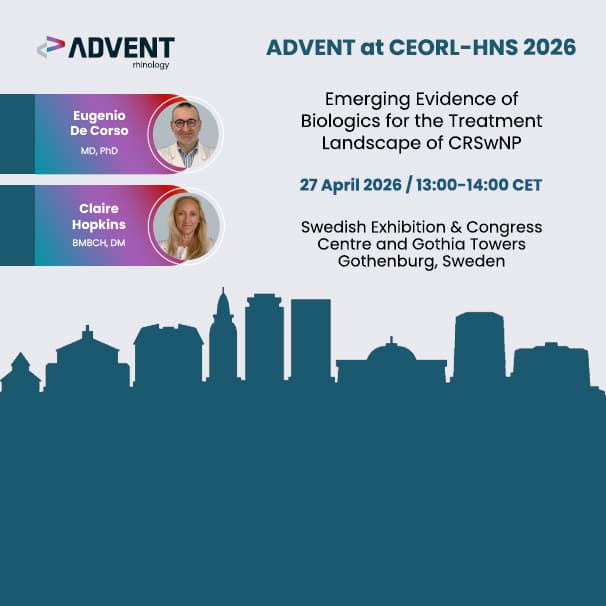
CEORL-HNS 2026 | Emerging Evidence of Biologics for the Treatment Landscape of CRSwNP
Join Sanofi and Regeneron for an educational symposium on type 2 inflammation, patient characteristics predictive of disease recurrence, and emerging real-world evidence for biologics in CRSwNP.
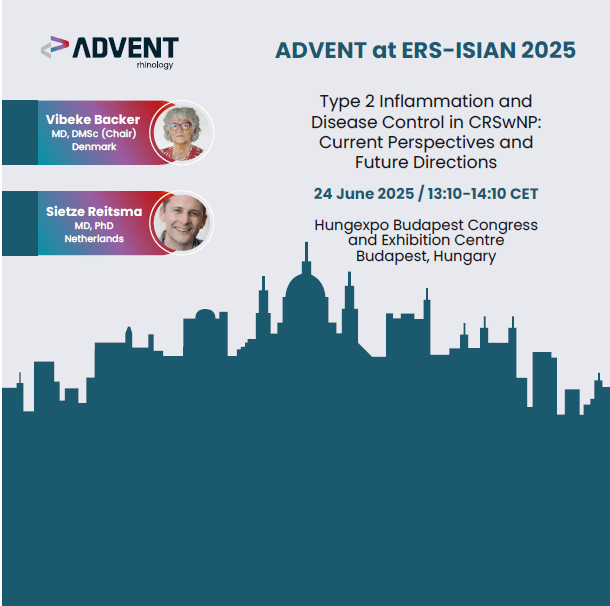
ERS-ISIAN 2025 | Type 2 Inflammation and Disease Control in CRSwNP: Current Perspectives and Future Directions
In this educational presentation, Profs. Vibeke Backer and Sietze Reitsma cover key aspects of type 2 inflammation and its role in the pathogenesis and management of CRSwNP and practical strategies for optimizing disease control and improving patient outcomes.
CRSwNP at Center Stage: Impact of Biologics in Patients with Co-existing Type 2 Asthma
In this video soundbite from the EAACI 2025 symposium, Dr. Philippe Gevaert explains how biologic options for uncontrolled CRSwNP are increasing, and phase 3 studies of approved biologics show improved outcomes and decreased SCS use/surgery in patients with CRSwNP. Additionally, he explains how biologics targeting type 2 inflammatory pathophysiology potentially improve outcomes for eligible patients with co-existing CRSwNP and asthma.

ADVENT at IRS-ISIAN | Evolving Perspectives in CRSwNP: From Symptom Control to Disease Remission
Join Profs. Shigeharu Fujieda, Peter Hellings, and Eugenio De Corso for an educational symposium on the evolving understanding of disease control and clinical remission in CRSwNP.
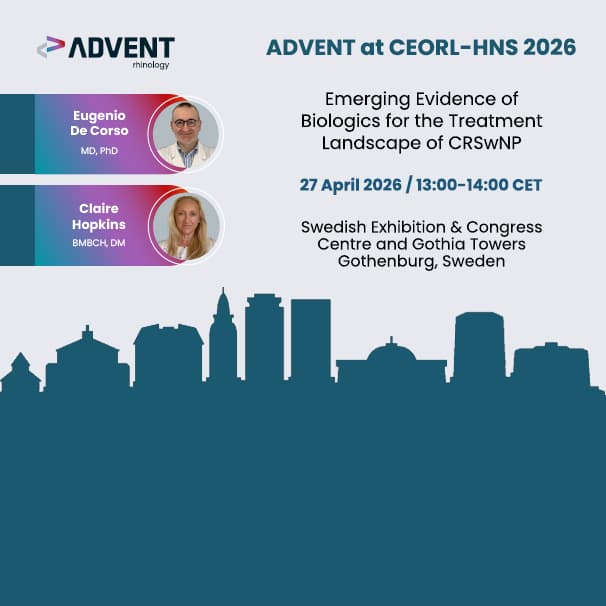
ADVENT at CEORL-HNS 2026
Join Sanofi and Regeneron for an educational symposium on type 2 inflammation, patient characteristics predictive of disease recurrence, and emerging real-world evidence for biologics in CRSwNP.
ADVENT at IRS-ISIAN | The Importance of Understanding Smell Loss and Congestion in CRSwNP
Join Profs. Sachio Takeno and Joaquim Mullol for an educational symposium highlighting the multifaceted burden associated with loss of smell and congestion in patients with uncontrolled CRSwNP.
World Anosmia Day 2026
Join the effort to improve CRSwNP care. World Anosmia Day serves as an opportunity to raise awareness about the loss of the sense of smell. Access some of countless educational resources with ADVENT below.

Compounded Burden of Co-existing Type 2 Airway Diseases
In this video soundbite from the EAACI 2025 symposium, Dr. Brian Lipworth discusses that co-existing type 2 inflammatory diseases are common in patients with CRSwNP & increasing severity of asthma is associated with higher severity of CRS and prevalence of nasal polyps. Additionally, he explains that patient burden is substantially greater when asthma and CRSwNP are co-existing.

Spotlight on Type 2 Inflammation in the Upper and Lower Airways
In this video soundbite from the EAACI 2025 symposium, Dr. Zuzana Diamant explains pathophysiological mechanisms underlying asthma and CRSwNP, and how type 2 inflammatory cytokines drive airway remodelling in patients with severe asthma. Additionally, patients with co-existing asthma and CRSwNP have a higher type 2 inflammatory burden than patients with asthma alone.
ADVENT at ERS-ISIAN 2025
Join experts Vibeke Backer, MD, DMSC, and Sietze Reitsma, MD, at an educational symposium involving a comprehensive exploration of the type 2 inflammation and its pivotal role in the pathogenesis and management of CRSwNP.
IFOS 2023 | Type 2 Inflammation and Clinically Relevant Improvements in CRSwNP
Dr. Stella Lee and Profs. Peter Hellings and Wytske Fokkens discuss type 2 inflammation, partnering with patients to improve outcomes, and real-world data on biologic effectiveness in CRSwNP.

ADVENT at ERS 2026
Join Sanofi and Regeneron for four educational symposia on asthma, COPD, and the unified airway.
