92 search results for: Pathophysiology
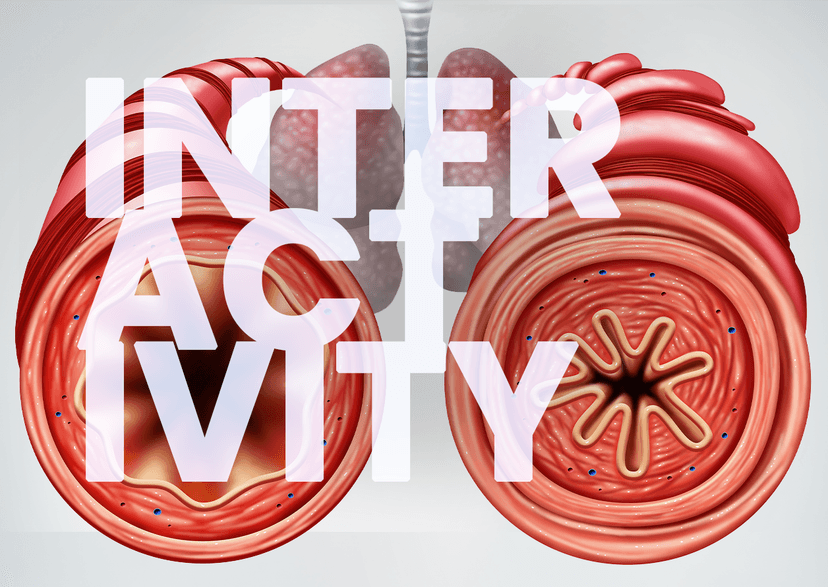
Airway Hyperresponsiveness In Asthma Is Mainly Driven By Components Of Type 2 Inflammation
Examine underlying type 2 inflammation as a driver of airway hyperresponsiveness in patients with asthma.

Connecting Type 2 Inflammation to CRSwNP
Prof. Claus Bachert describes how type 2 inflammation drives CRSwNP.

Can Therapy-Free Disease Control Be Achieved in Atopic Dermatitis?
In this soundbite video from the April 2025 ADVENT Forum in Lisbon, Portugal, Prof. Thomas Bieber discusses emerging evidence that therapy-free disease control may be possible in atopic dermatitis, citing pediatric dupilumab data showing that a subset of patients-maintained remission after treatment discontinuation.

Both Clinical and Subclinical Disease Control Are Important to Achieve Disease Modification in AD
In this soundbite video from the April 2025 ADVENT Forum in Lisbon, Portugal, Dr. Eric Simpson explains how both clinical and subclinical disease control are critical for achieving true disease modification in atopic dermatitis, emphasizing the role of biomarkers in predicting long-term outcomes and guiding treatment decisions.

Understanding Barriers to Advanced Systemic Therapy in AD
Dr. Jean-David Bouaziz highlights a study describing barriers to initiating advanced systemic therapy for AD at EADV 2025

KOL Video Interview – Dr Paula Luna
In this exclusive video interview, Dr Paula Luna discusses how disease modification can be defined in AD and how IgE may be used as a biomarker in AD.

Navigating Complex Definitions: Early Intervention and Disease Modification in Atopic Dermatitis
Dr. Amy Paller discusses the evolving concepts of early intervention and disease modification in AD and describes potential biomarkers of subclinical control at EADV 2025.

Pediatric Asthma Trajectory and Clinical Remission
Join Dr. Leonard Bacharier as he discusses the definition of clinical remission in pediatric asthma and how it can represent a potential target in pediatric asthma management.

Role of Type 2 Cytokines in Asthma and COPD
Dr Mario Castro explains how type 2 cytokines play a crucial role in airway remodeling and inflammation in asthma and COPD, impacting patient outcomes.

Clinical Manifestations Associated With Airway Remodeling in Asthma
Join Dr. Hanania to understand how to identify patients at risk of fixed airway obstruction in clinical settings.

Gap in Care Leads to Progression of Fibrosis in EoE
Dr. Evan Dellon discusses the clinical implications of gaps in medical care on the risk of fibrotic progression in EoE.

ERS 2024 | View From the Clinic: What Are the Clinical Consequences of Airway Remodeling?
Professor Klaus Rabe shares a patient case highlighting the burden of disease associated with airway remodeling and discusses practical aspects of identifying and managing airway remodeling in severe asthma patients with Professor Porsbjerg and Dr Castro.
