35 search results for: coexisting diseases

How Does Protective Type 2 Immunity Become Harmful Type 2 Inflammation?
In this video from the March 2025 ADVENT symposium in Orlando, Florida, Dr. Eric Simpson discusses how protective type 2 immunity can become dysregulated, leading to harmful type 2 inflammation. The associated inflammatory process can contribute to the pathophysiology of several dermatological diseases, including AD, PN, CSU, and BP.

What Went Wrong? How Dysregulated Type 2 Immunity Contributes to AD, PN, CSU, and BP
The March 2025 ADVENT symposium in Orlando, Florida brought together 4 dermatology experts to explore the evolving science of type 2 inflammation. Type 2 inflammation plays a central role in the pathophysiology of multiple dermatological diseases, driving chronic immune dysregulation that affects patients with atopic dermatitis (AD) prurigo nodularis (PN), chronic spontaneous urticaria (CSU) and bullous pemphigoid (BP). Understanding the mechanisms behind type 2 inflammation is key to advancing care and improving patient quality of life.

EAACI PAAM 2025 | How Type 2 Inflammation Shapes a Lifetime
Join ADVENT faculty members Len Bacharier, Antonella Cianferoni, and Andre Moreira for an educational symposium highlighting type 2 inflammation and its shared and distinct roles in multiple chronic pediatric diseases.
The Benefits of Early Intervention in AD: More Than Skin Deep
Many AD treatment goals focus on clinical manifestations, so that if a patient is free of lesions, their disease is considered well controlled. However, the inflammatory process underlying AD reaches far beyond the skin, affecting patients in unique ways at different stages of their lives. Education on the importance of treating AD beyond the skin and altering the treatment approach to fit the individual patient will help improve clinical management and reduce long-term patient burden.

Children and EoE: More Than Just Being a Picky Eater
Join Prof. Alexandra Papadopoulou as she reviews the multifaceted burden of children with EoE.
ADVENT at San Diego, 2024
Two educational symposia at San Diego, 2024, explore the role of type 2 inflammation and the related manifestations in atopic dermatitis, prurigo nodularis, and chronic spontaneous urticaria.
ADVENT at EADV 2025
Join leading dermatologists for educational symposia on atopic dermatitis, bullous pemphigoid, and chronic spontaneous urticaria at the EADV congress in Paris, France.
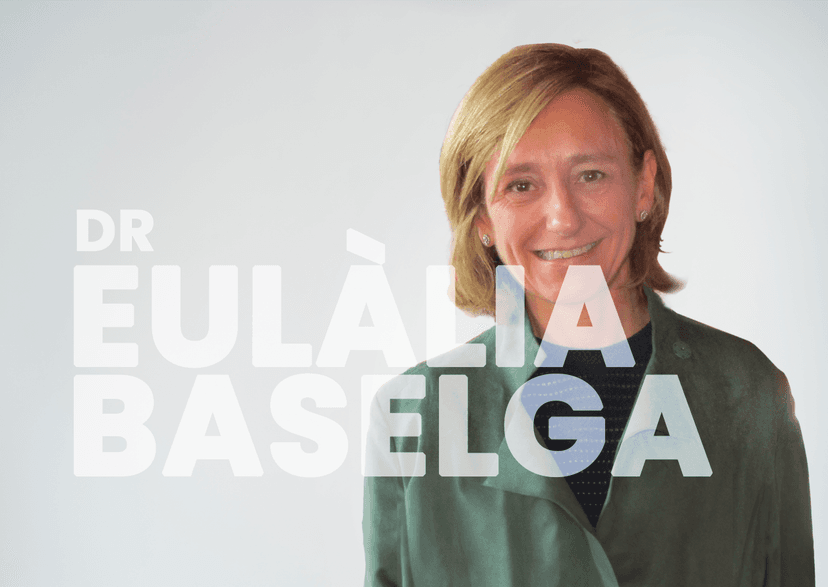
Charting the Future: Preventing the Atopic March
In this clip from the April WCPD 2025 symposium, Dr Eulàlia Baselga discusses data identifying atopic dermatitis as the first diagnosed atopic disease and the start of the atopic march.

IL-4 Is the Primary Cytokine That Drives Th2 Cell Polarization and Amplifies Type 2 Inflammation
In this soundbite video from the April 2025 ADVENT Forum in Lisbon, Portugal, Prof Oscar Palomares describes how IL-4 is the key cytokine involved in the initiation and perpetuation of Th2 cell responses and type 2 inflammation.

Type 2 Inflammatory Disease: What Are the Mechanisms that Contribute to the Development of Other Atopic Comorbidities?
In this soundbite video from the April 2025 ADVENT Forum in Lisbon, Portugal, Prof. Oscar Palomares explains how type 2 inflammation and barrier dysfunction contribute to the development of atopic comorbidities and increased susceptibility to infections.

Type 2 Inflammation Is a Driving Factor for Atopic Dermatitis and Related Comorbidities
Dr. Lawrence Eichenfield describes the pathophysiology of atopic dermatitis and how type 2 inflammation may sensitize patients to atopic comorbidities.

Beyond Clinical Control: Targeting Type 2 Inflammation for Improved Patient Outcomes
Prof Alan Irvine presents the latest clinical and real-world evidence supporting the potential for disease modification in atopic dermatitis, at EADV 2025.
