51 search results for: chronic inflammation

EAACI PAAM 2025 | How Type 2 Inflammation Shapes a Lifetime
Join ADVENT faculty members Len Bacharier, Antonella Cianferoni, and Andre Moreira for an educational symposium highlighting type 2 inflammation and its shared and distinct roles in multiple chronic pediatric diseases.

What Drives Chronic Itch and the Itch-Scratch Cycle in Atopic Dermatitis?
Watch this short video to learn how type 2 inflammation, skin barrier dysfunction, and neurosensitization contribute to chronic itch and the itch-scratch cycle in atopic dermatitis
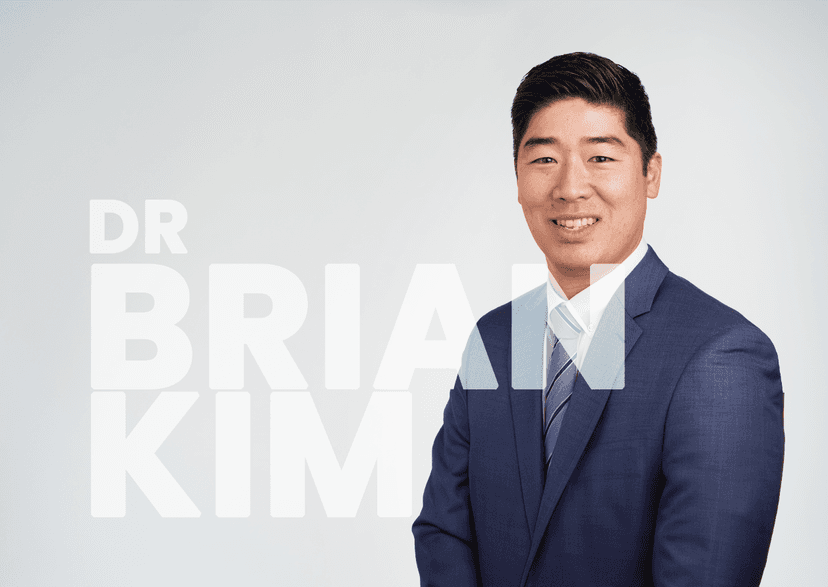
Demystifying CPUO: Diagnosis and the Role of Type 2 Inflammation
Join Dr. Brian Kim in discussing the diagnosis of CPUO and the role of type 2 inflammation in disease pathophysiology.

From Protective Type 2 Immunity to Aberrant Type 2 Inflammation
In this soundbite video from the April 2025 ADVENT Forum in Lisbon, Portugal, Prof. Oscar Palomares explains how type 2 immunity evolved to protect against parasites, venoms, and toxins, and how its dysregulation can result in aberrant type 2 inflammation underlying multiple chronic inflammatory diseases.

Type 2 Inflammation Is a Driving Factor for Atopic Dermatitis and Related Comorbidities
Dr. Lawrence Eichenfield describes the pathophysiology of atopic dermatitis and how type 2 inflammation may sensitize patients to atopic comorbidities.
ADVENT at EADV 2025
Join leading dermatologists for educational symposia on atopic dermatitis, bullous pemphigoid, and chronic spontaneous urticaria at the EADV congress in Paris, France.
ADVENT at ATS 2026
At ATS 2026, the Sanofi & Regeneron ADVENT Booth #1301 brings together interactive experiences and educational resources to explore Type 2 inflammation as a key feature underlying both asthma and COPD.

Role of Type 2 Cytokines in Asthma and COPD
Dr Mario Castro explains how type 2 cytokines play a crucial role in airway remodeling and inflammation in asthma and COPD, impacting patient outcomes.
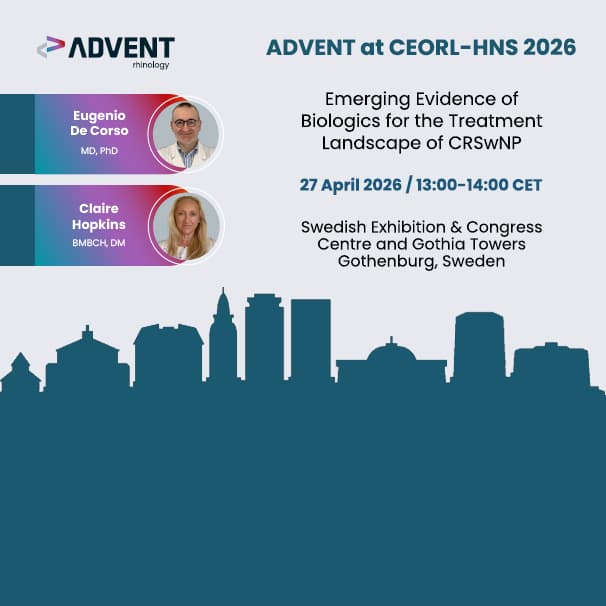
ADVENT at CEORL-HNS 2026
Join Sanofi and Regeneron for an educational symposium on type 2 inflammation, patient characteristics predictive of disease recurrence, and emerging real-world evidence for biologics in CRSwNP.
ADVENT at ATS 2026
At ATS 2026, the Sanofi & Regeneron ADVENT Booth brings together interactive experiences and educational resources to explore Type 2 inflammation as a key feature underlying both asthma and COPD.
ADVENT at San Diego, 2024
Two educational symposia at San Diego, 2024, explore the role of type 2 inflammation and the related manifestations in atopic dermatitis, prurigo nodularis, and chronic spontaneous urticaria.

What Went Wrong? How Dysregulated Type 2 Immunity Contributes to AD, PN, CSU, and BP
The March 2025 ADVENT symposium in Orlando, Florida brought together 4 dermatology experts to explore the evolving science of type 2 inflammation. Type 2 inflammation plays a central role in the pathophysiology of multiple dermatological diseases, driving chronic immune dysregulation that affects patients with atopic dermatitis (AD) prurigo nodularis (PN), chronic spontaneous urticaria (CSU) and bullous pemphigoid (BP). Understanding the mechanisms behind type 2 inflammation is key to advancing care and improving patient quality of life.
