201 search results for: Burden of Disease
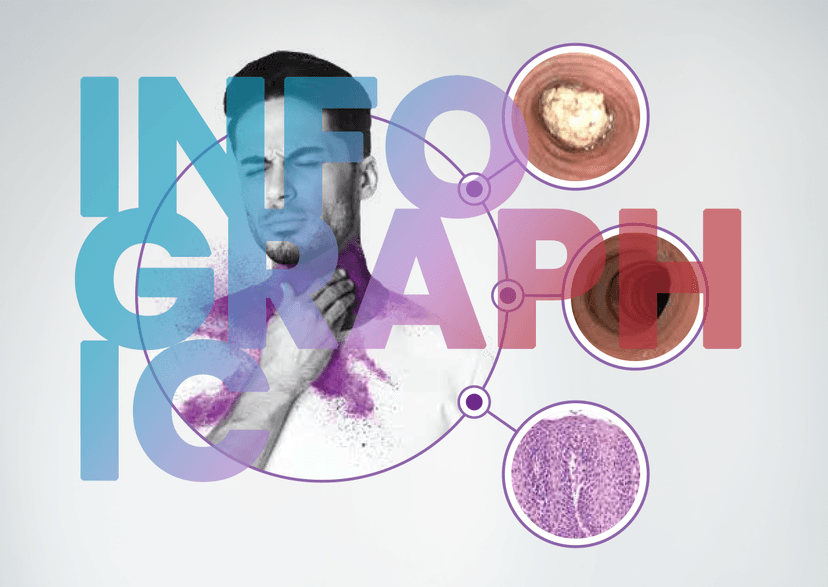
Importance of Assessing Key Disease Domains in EoE Infographic
Learn about the importance of assessing key disease domains in EoE by focusing on symptoms, QoL, endoscopy, and histology.

AANP 2025 | Atopic Diseases & a Case-Based Panel of Nurse Practitioners
Experts from different specialties use a case-based discussion to understand type 2 inflammatory diseases from a nurse practitioner perspective.

Atopic Dermatitis at an Inflection Point: Refining Outcomes Through Timely, Targeted Intervention
At the 2026 EADV Congress, Prof. Tilo Biedermann and Drs. Nicole Chase and Lisa Swanson present a holistic view of atopic dermatitis (AD) management from childhood to adulthood centered around type 2 inflammation. Beginning with the hypothesis that reduced exposure to helminths in increasingly industrialized societies may have diminished natural immunomodulatory mechanisms, they explore how dysregulated type 2 inflammation can manifest as AD and extend beyond the skin. The discussion then focuses on adults with uncontrolled AD, highlighting the multidimensional, cumulative burden of disease across the lifespan—and how targeted systemic therapy may help achieve sustained disease control. Finally, the faculty explore pediatric AD as a critical window for early intervention, with the potential to alter disease progression and prevent comorbidities.

The Path to Nodules: Type 2 Inflammation at the Core of Chronic Itch and Fibrosis in Prurigo Nodularis
Join Dr. Shawn Kwatra in discussing the diverse clinical presentations of PN and the role of type 2 inflammation in disease pathogenesis.

Managing Type 2 Inflammatory Diseases: Multidisciplinary Frame of Mind
Drs. Bob Geng and Lawrence Eichenfield highlight a multidisciplinary team approach to patient-centered care in diseases with type 2 inflammation

Understanding the Full Scope of PN: Lesions, Dyspigmentation, and Patient Burden
Professor Matthias Augustin details the various clinical manifestations of prurigo nodularis, illustrating how different lesion types can present concurrently in patients.

Importance of Assessing Multiple Disease Domains in EoE
Prof. Arjan Bredenoord and Dr. Evan Dellon emphasize the need to assess multiple disease domains to get the complete picture of patients’ EoE.

ESPGHAN 2025 | Early Diagnosis & Effective Management in Pediatric EoE
Drs Gutiérrez Junquera and Tzivinikos discuss the importance of early identification and management of pediatric EoE to improve long-term outcomes.

Understanding IL-33: A Key Factor in COPD Pathogenesis
Explore the role of interleukin (IL)-33 in chronic obstructive pulmonary disease (COPD) pathophysiology and its potential as a therapeutic target.