138 search results for: patient burden

Compounded Burden of Co-existing Type 2 Airway Diseases
In this video soundbite from the EAACI 2025 symposium, Dr. Brian Lipworth discusses that co-existing type 2 inflammatory diseases are common in patients with CRSwNP & increasing severity of asthma is associated with higher severity of CRS and prevalence of nasal polyps. Additionally, he explains that patient burden is substantially greater when asthma and CRSwNP are co-existing.
The Burden of a Lifetime: Can Disease Modification Rewrite the Narrative of Atopic Dermatitis?
Join Professors Jean-David Bouaziz, Amy Paller, and Alan Irvine for a dynamic presentation on the multifaceted burden of atopic dermatitis, the evolving concept of disease modification, and how targeted systemic therapies may help improve long-term patient outcomes.
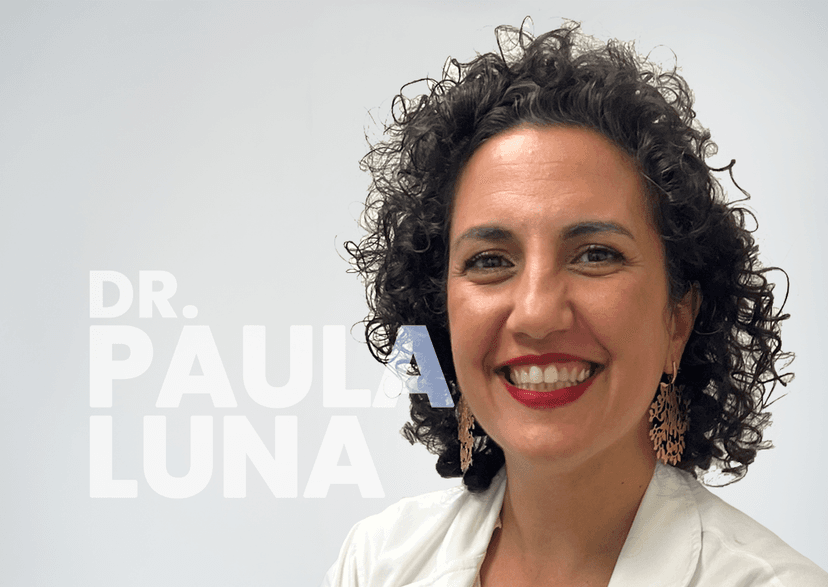
Digging Deeper: Reducing Non-Atopic Comorbidities and Multidimensional Disease Burden
In this video from the April 2025 WCPD symposium, Dr Paula Luna discusses the multidimensional disease burden in pediatric patients with AD and the data regarding how early intervention may lead to long-term disease control and a reduced risk of developing non-atopic comorbidities.
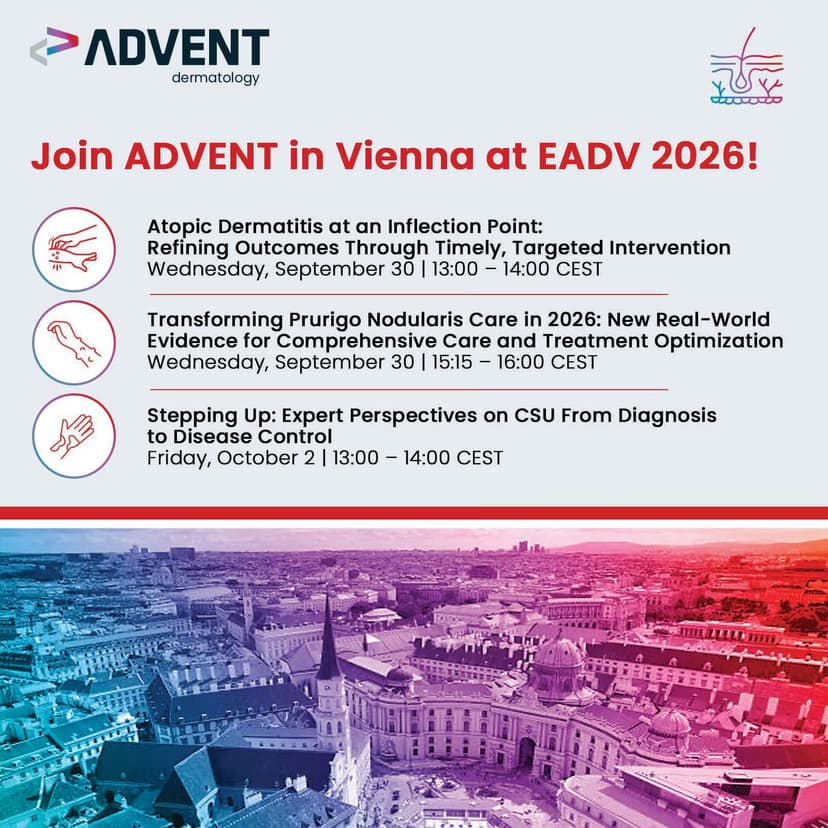
ADVENT at EADV 2026
Please join the ADVENT program at EADV 2026 for educational sessions on AD, PN, and CSU! Experience 3 high-impact sessions led by world-renowned experts, bridging scientific innovation with real-world clinical outcomes.

Decoding Chronic Itch and More in PN: Implications of Real-World Data for Clinical Practice
This symposium highlights type 2 inflammation as a key driver of chronic itch and the characteristic skin lesions of prurigo nodularis and evaluates the real-world implications of targeted therapies on clinical practice.

The Benefits of Early Intervention in Reducing the Burden of Disease in Children With Atopic Dermatitis
This page presents educational material, infographics, and video highlights from our recent ADVENT symposia, including the 2025 World Congress of Pediatric Dermatology (WCPD) in Buenos Aires, Argentina, exploring the pathophysiology of type 2 inflammation and atopic dermatitis, the burden of disease leading to cumulative life course impairment (CLCI), and the risk of the atopic march in pediatric patients with atopic dermatitis.

ERS-ISIAN 2025 | Type 2 Inflammation: Links with Severe/Uncontrolled CRSwNP
Prof. Vibeke Backer provides an insightful presentation on the association of type 2 inflammation and the pathogenesis and management of severe and uncontrolled CRSwNP.
Decoding Chronic Itch and More in PN: Implications of Real-World Data for Clinical Practice
Join Professors Matthias Augustin and Sarina Elmariah for an engaging ADVENT symposium as they explore the pivotal role of type 2 inflammation in prurigo nodularis and chronic itch.
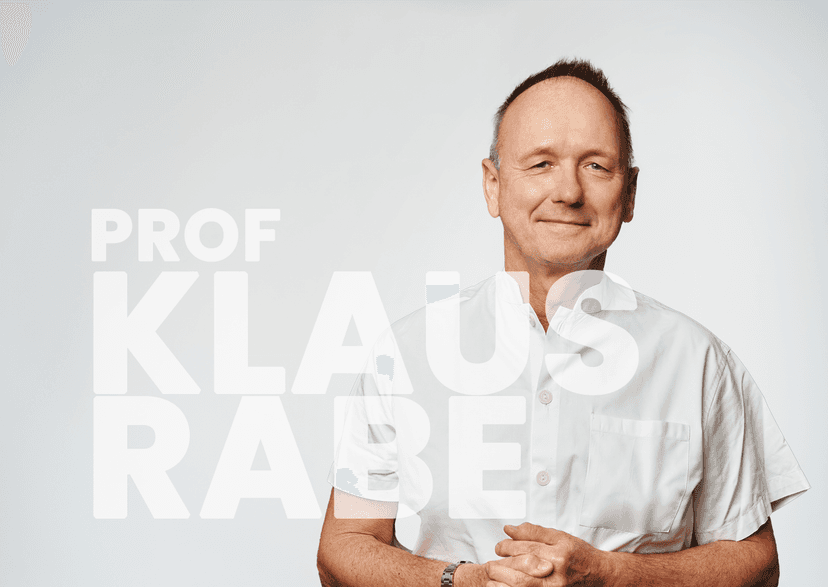
ERS 2024 | View From the Clinic: What Are the Clinical Consequences of Airway Remodeling?
Professor Klaus Rabe shares a patient case highlighting the burden of disease associated with airway remodeling and discusses practical aspects of identifying and managing airway remodeling in severe asthma patients with Professor Porsbjerg and Dr Castro.
