134 search results for: Pathophysiology
KOL Video Interview – Dr Paula Luna
In this exclusive video interview, Dr Paula Luna discusses how disease modification can be defined in AD and how IgE may be used as a biomarker in AD.

Role of Type 2 Cytokines in Asthma and COPD
Dr Mario Castro explains how type 2 cytokines play a crucial role in airway remodeling and inflammation in asthma and COPD, impacting patient outcomes.

Low Disease Activity and Disease Stability: Setting New Goals for COPD Care
This infographic explores the emerging concepts of disease activity, disease stability, and disease control in COPD.
Understanding Barriers to Advanced Systemic Therapy in AD
Dr. Jean-David Bouaziz highlights a study describing barriers to initiating advanced systemic therapy for AD at EADV 2025

Tailored Medicine in COPD: Understanding Phenotypes, Endotypes, and Genotypes
This infographic outlines how endotyping, phenotyping, and genotyping are interrelated concepts that are crucial for improving the way patients with COPD are characterized and how understanding these concepts can better optimize patient care
Both Clinical and Subclinical Disease Control Are Important to Achieve Disease Modification in AD
In this soundbite video from the April 2025 ADVENT Forum in Lisbon, Portugal, Dr. Eric Simpson explains how both clinical and subclinical disease control are critical for achieving true disease modification in atopic dermatitis, emphasizing the role of biomarkers in predicting long-term outcomes and guiding treatment decisions.
Phenotypes and Endotypes of COPD
Dr Henrik Watz discusses the two main COPD phenotypes: emphysema-predominant and bronchitis-predominant, detectable via clinical assessment and CT imaging.
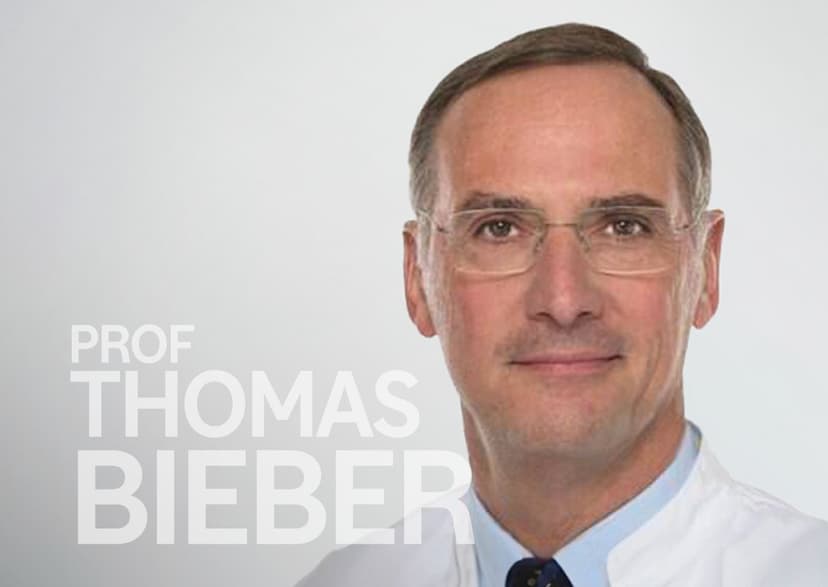
Can Therapy-Free Disease Control Be Achieved in Atopic Dermatitis?
In this soundbite video from the April 2025 ADVENT Forum in Lisbon, Portugal, Prof. Thomas Bieber discusses emerging evidence that therapy-free disease control may be possible in atopic dermatitis, citing pediatric dupilumab data showing that a subset of patients-maintained remission after treatment discontinuation.
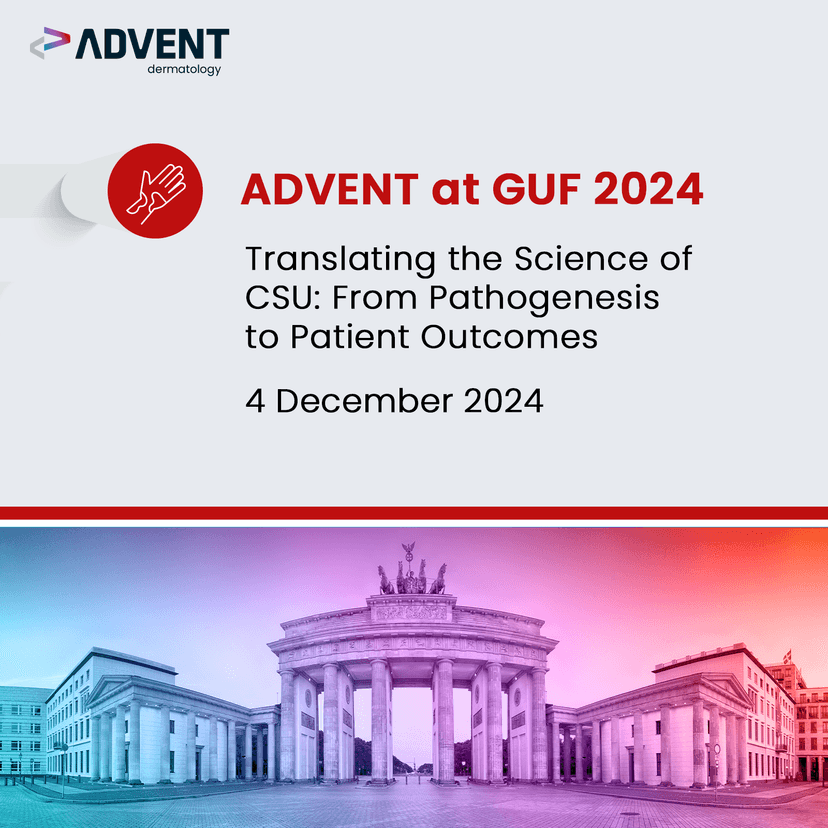
Translating the Science of CSU: From Pathogenesis to Patient Outcomes
Watch as Drs. Michihiro Hide, Marta Ferrrer, and Ana M. Giménez-Arnau discuss chronic spontaneous urticaria (CSU) and highlight the unmet needs, importance of disease control, and emerging therapies.
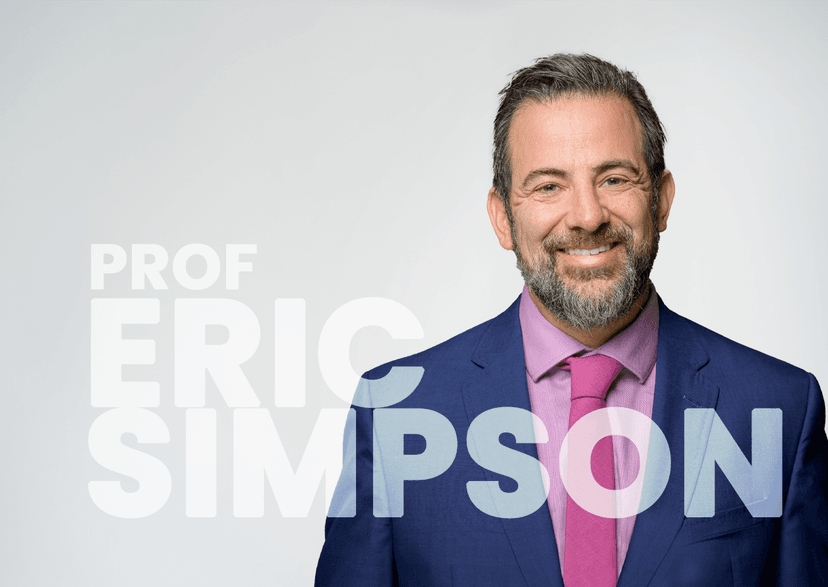
Under the Itchy Surface: The Insidious, Cumulative Burden of Type 2 Inflammation in AD
In this soundbite video from the March 2025 ADVENT symposium in Orlando, Florida, Dr. Eric Simpson highlights the systemic nature of atopic dermatitis (AD) and how the disease burden extends beyond the skin. Through the lens of cumulative life course impairment, Dr. Simpson explores how persistent type 2 inflammation in AD may drive both atopic and nonatopic comorbidities, emphasizing the importance of early, effective treatment to alter disease progression.
