81 search results for: Clinical Management

Cracking the Code: Diagnosing and Managing Skin Diseases With Type 2 Inflammation
This symposium delves into the pivotal role of type 2 inflammation in diverse skin conditions, including atopic dermatitis, prurigo nodularis, chronic spontaneous urticaria, and bullous pemphigoid. It highlights both shared and distinct disease mechanisms and patient burdens, providing crucial insights for optimizing clinical management strategies through a series of engaging panel discussions with Drs Eichenfield, Elmariah, Culton, and Hawkes.
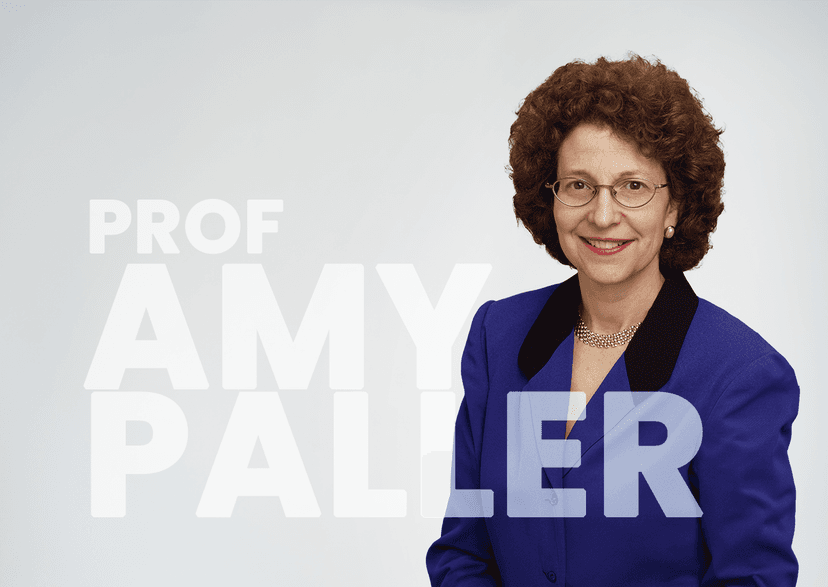
Clinical Utility of Biomarkers in the Management of AD
Dr. Amy Paller discusses the clinical utility of TARC measurements in AD management at EADV 2025

Beyond Signs and Symptoms: Broadening Treatment Goals in Dermatology
Dr Lawrence Eichenfield explores the broadening of treatment goals for long-term disease control, highlighting the importance of this approach in atopic dermatitis. Drs Culton, Elmariah, and Hawkes expand the discussion to further examine specific management goals unique to each skin disease (bullous pemphigoid, prurigo nodularis, and chronic spontaneous urticaria).
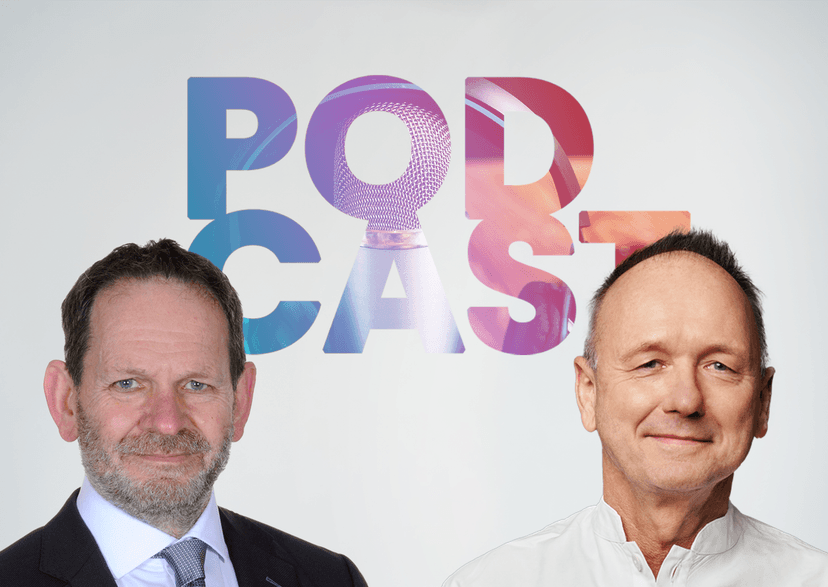
ADVENT On Air | The Road Ahead: Achieving Remission for Patients With Asthma
Join Professors Klaus Rabe and Ian Pavord as they discuss the importance of on-treatment clinical remission as a goal in asthma management.

Essential Tools for Effective Care of Patients With Chronic Spontaneous Urticaria
Tune in as Dr. Jason Hawkes describes how to assess disease activity in chronic spontaneous urticaria.

Assessment of Smell Loss in CRSwNP Interactive Infographic
Use this educational tool to explore the daily burden of loss of smell for patients with CRSwNP.
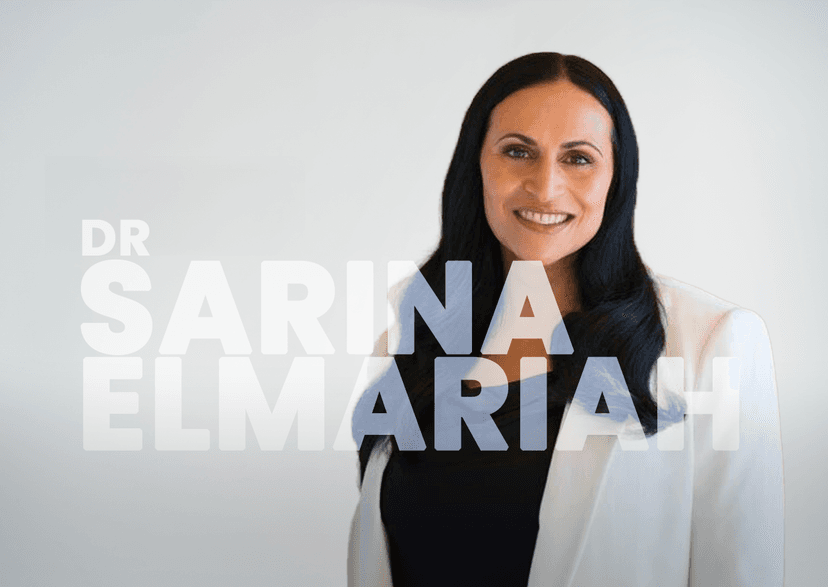
Prurigo Nodularis Is a Challenging Diagnosis
Join Dr. Sarina Elmariah as she discusses the challenges in diagnosing prurigo nodularis.
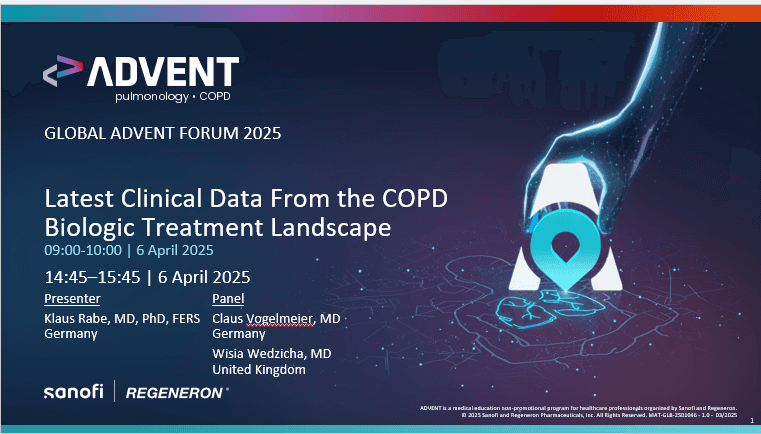
2025 ADVENT Forum | Latest Clinical Data from the COPD Biologic Treatment Landscape
Explore the dynamic advancements in COPD biologic therapies. Prof. Klaus Rabe, MD, Prof. Claus Vogelmeier, MD, and Prof. Wisia Wedzicha, MD, present and analyze the latest clinical data, offering key insights into current and emerging therapeutic strategies for managing COPD.
The Benefits of Early Intervention in AD: More Than Skin Deep
Many AD treatment goals focus on clinical manifestations, so that if a patient is free of lesions, their disease is considered well controlled. However, the inflammatory process underlying AD reaches far beyond the skin, affecting patients in unique ways at different stages of their lives. Education on the importance of treating AD beyond the skin and altering the treatment approach to fit the individual patient will help improve clinical management and reduce long-term patient burden.

Confidence Across the Spectrum: Addressing the Heterogeneity of CSU
This infographic explores the heterogeneity of chronic spontaneous urticaria (CSU) across patient subpopulations and highlights differences in demographic and clinical characteristics that may impact disease burden and management.
