21 search results for: disease modification
ADVENT On Air | Early Intervention and Disease Modification in Atopic Dermatitis
Prof. Thomas Bieber explores early intervention and disease modification in atopic dermatitis.

Early Intervention and Disease Modification in AD: Can We Change the Course of the Disease?
Highlights from the ADVENT educational symposium at EADV 2024 where Professors Eric Simpson, Stephan Weidinger, and Marjolein de Bruin-Weller explored the local and systemic effects of type 2 inflammation in AD and potential benefits of early intervention with regard to disease modification.

ADVENT On Air | Charting a New Course: The Frontier of Early Intervention and Disease Modification in AD
Join Drs. April Armstrong and Lisa Beck for a conversation around the long-term burden and effects of AD. They will discuss the underlying pathophysiology of AD and how early intervention and disease modification may impact disease course.

ADVENT On Air | Disease Modification in Severe Asthma: Framework, Assessment, and Clinical Impact
Join Professors Brusselle and Backer as they discuss the concept of disease modification in asthma.
Navigating Complex Definitions: Early Intervention and Disease Modification in Atopic Dermatitis
Dr. Amy Paller discusses the evolving concepts of early intervention and disease modification in AD and describes potential biomarkers of subclinical control at EADV 2025.
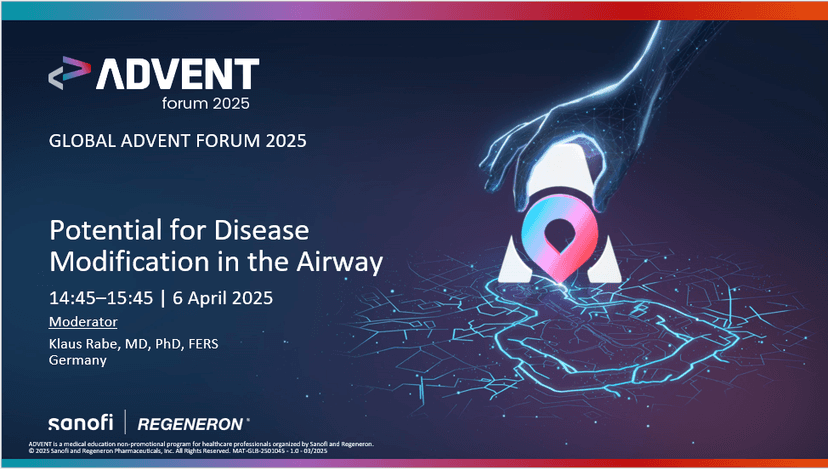
2025 ADVENT Forum | Potential for Disease Modification in the Airway
Unlock new perspectives on managing chronic airway diseases. Profs. Leonard Bacharier, Eugenio De Corso, Stella Lee, Marc Miravitlles, Celeste Porsbjerg, Klaus Rabe, and Martin Wagenmann – share their collective wisdom and experience on the evolving landscape of therapeutic strategies aimed at truly modifying disease progression, offering renewed hope for patients and practitioners alike.
Which Biomarkers of AD Might Be Robust Enough to Be Evaluated as a Measure of Disease Modification?
In this soundbite video from the April 2025 ADVENT Forum in Lisbon, Portugal, Prof. Oscar Palomares reviews the cellular and molecular pathways underlying atopic dermatitis and considers which biomarkers may one day serve as robust measures of disease modification, despite no validated options currently being available.
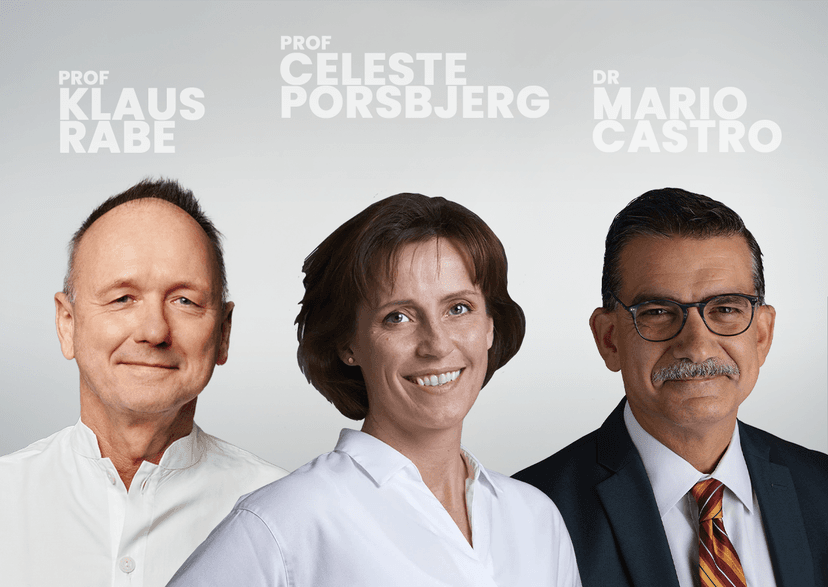
ERS 2024 | Fireside Chat: What Is the Potential for Disease Modification in the Era of Biologics?
Professors Celeste Porsbjerg and Klaus Rabe and Dr Mario Castro discuss disease modification in severe asthma, including what disease modification is, how it can be identified, and how the advent of biologics may bring about disease modification.
Both Clinical and Subclinical Disease Control Are Important to Achieve Disease Modification in AD
In this soundbite video from the April 2025 ADVENT Forum in Lisbon, Portugal, Dr. Eric Simpson explains how both clinical and subclinical disease control are critical for achieving true disease modification in atopic dermatitis, emphasizing the role of biomarkers in predicting long-term outcomes and guiding treatment decisions.
How Biologic Therapy May Lead to Disease Modification in Infants and Children with Atopic Dermatitis
The underlying pathophysiology of atopic dermatitis (AD) is driven by dysregulation of type 2 immunity that contributes to skin barrier dysfunction. AD typically develops very early in life and children with AD often develop other atopic conditions such as food allergy, asthma, and allergic rhinitis in a progression called the atopic march. Early treatment may help reduce the atopic march and other comorbidities to lessen the lifetime burden created by these diseases. There may even be a window of opportunity for disease modification.
Considerations for Disease Modification in AD
In this highlight video from the September 2024 ADVENT symposium at EADV’s Annual Meeting in Amsterdam, the Netherlands, Dr. Eric Simpson explores potential considerations when discussing the concept of disease modification and how early intervention might be disease modifying in AD.
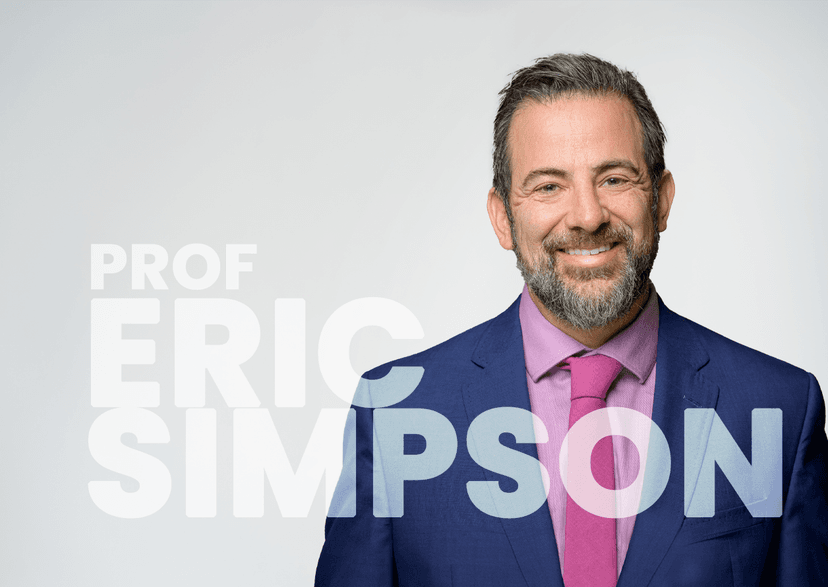
The Importance of Early Intervention and the Potential for Disease Modification in Patients With AD
This video from the September 2024 ADVENT symposium at EADV’s Annual Meeting in Amsterdam, the Netherlands, features Dr. Eric Simpson discussing the concept of disease modification and the benefits of early intervention when treating patients with AD. Dr. Simpson also reviews available data investigating the impacts of therapies for AD on the disease itself and on associated comorbidities.
