131 search results for: type 2 inflammation
Tailored Medicine in COPD: Understanding Phenotypes, Endotypes, and Genotypes
This infographic outlines how endotyping, phenotyping, and genotyping are interrelated concepts that are crucial for improving the way patients with COPD are characterized and how understanding these concepts can better optimize patient care

Beyond the Visible: The Cumulative Burden of Prurigo Nodularis
Professor Matthias Augustin emphaizes that prurigo nodularis is a chronic systemic disease with a significant and multifaceted burden, encompassing both visible skin manifestations and hidden psychosocial and physical comorbidities.

ADVENT On Air | Charting a New Course: The Frontier of Early Intervention and Disease Modification in AD
Join Drs. April Armstrong and Lisa Beck for a conversation around the long-term burden and effects of AD. They will discuss the underlying pathophysiology of AD and how early intervention and disease modification may impact disease course.

ERS 2025 | Type 2 Severe Asthma "Unplugged": Reducing Mucus to Improve Long-term Patient Outcomes
Join leading pulmonologists Drs. Njira Lugogo, Simon Couillard, and Mario Castro, as they explore the role of type 2 inflammation in the pathogenesis of mucus plugging in the airways, the burden of excess mucus in patients with moderate-to-severe asthma, and how reducing airway mucus may lead to improved long-term patient outcomes.

ADVENT On-Air Podcast: The Multifaceted Patient Burden and Drivers of Disease in Prurigo Nodularis
In this episode, Dr. Sarina Elmariah and Dr. Brian Kim explore prurigo nodularis (PN), with a focus on severe itch, fibrotic skin lesions, and their impact on patients’ quality of life. They discuss PN epidemiology, common comorbidities, and the challenges of managing multimorbid patients, while breaking down the neuroimmune mechanisms, highlighting the role of type 2 cytokines in itch and lesion development.
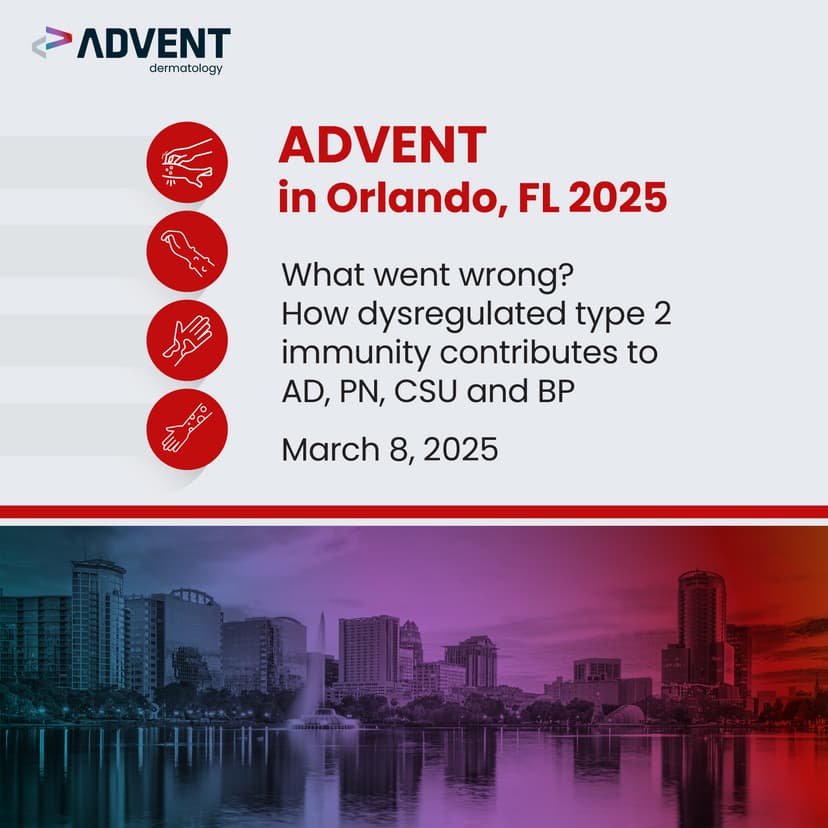
ADVENT in Orlando, 2025
Type 2 inflammation contributes to many dermatologic diseases, which may lead to potentially life-changing burdens and challenges to patients and caregivers. By uncovering the role of type 2 inflammation in the pathophysiology of AD, PN, CSU, and BP, we can move forward in our understanding of each disease. Join global experts for an educational symposium on March 8th that will uncover the role of type 2 inflammation in the pathophysiology of AD, PN, CSU, and BP and explore questions driving current research in each disease.

Prurigo Nodularis (PN): Understanding Its Clinical Features, Complex Burden, and Underlying Mechanisms
Explore the clinical features, complex burden, and underlying mechanisms of PN.

The Role of IL-4 and IL-13 in the Pathophysiology of CSU
Dr. Jason Hawkes details the role of IL-4 and IL-13 in the pathophysiology of CSU at EADV 2025

Unmet Needs for Bullous Pemphigoid (BP): Limitations of Diagnosis and Conventional Therapies
In this ADVENT symposium at the 2024 EADV meeting, Dr. Donna Culton focuses on the challenges of diagnosis and the unmet needs for patients with BP.
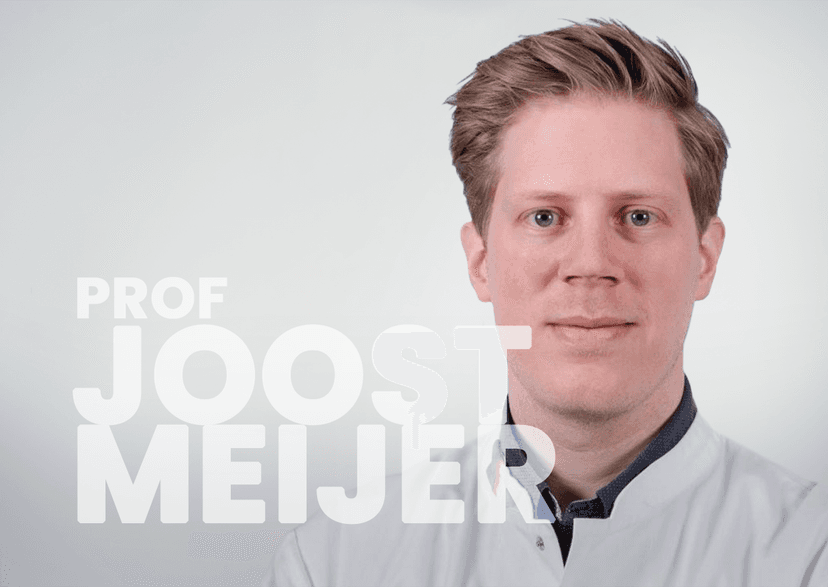
Etiology and Diagnosis of Bullous Pemphigoid
Professor Joost Meijer discusses the complex etiology and diagnosis of BP

Bullous Pemphigoid (BP): Don't Miss the Diagnosis
This static infographic covers the clinical presentations, diagnostic challenges, and disease burden of bullous pemphigoid (BP), a chronic relapsing autoimmune skin disease. Review the steps of diagnosis, which include clinical assessment and laboratory work. Explore comorbidities associated with BP and how they impact patient quality of life.

The Weight of Breath: The Impact of Pediatric Asthma on Patients and Caregivers
Learn about the multifaceted burden of uncontrolled pediatric asthma on patients and their caregivers.
