115 search results for: Burden of Disease

ERS-ISIAN 2025 | Type 2 Inflammation and Disease Control in CRSwNP: Current Perspectives and Future Directions
In this educational presentation, Profs. Vibeke Backer and Sietze Reitsma cover key aspects of type 2 inflammation and its role in the pathogenesis and management of CRSwNP and practical strategies for optimizing disease control and improving patient outcomes.
The Benefits of Early Intervention in AD: More Than Skin Deep
Many AD treatment goals focus on clinical manifestations, so that if a patient is free of lesions, their disease is considered well controlled. However, the inflammatory process underlying AD reaches far beyond the skin, affecting patients in unique ways at different stages of their lives. Education on the importance of treating AD beyond the skin and altering the treatment approach to fit the individual patient will help improve clinical management and reduce long-term patient burden.
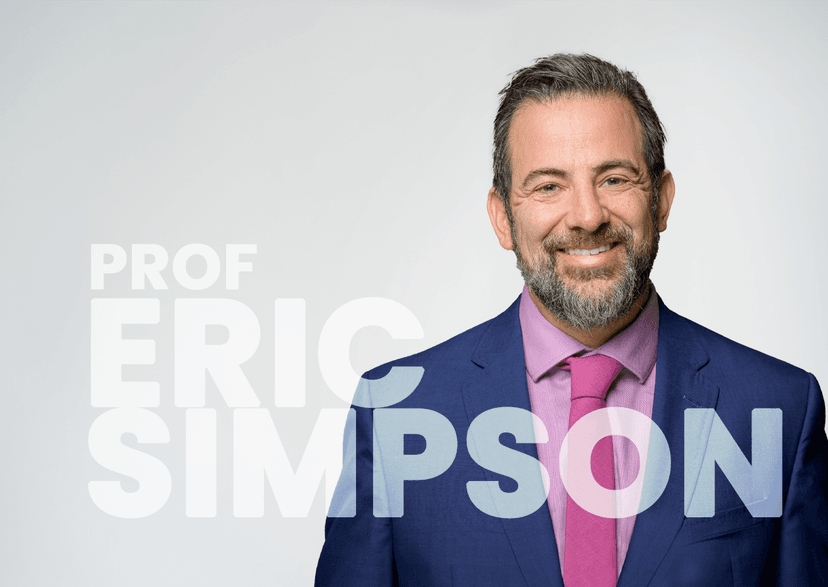
Under the Itchy Surface: The Insidious, Cumulative Burden of Type 2 Inflammation in AD
In this soundbite video from the March 2025 ADVENT symposium in Orlando, Florida, Dr. Eric Simpson highlights the systemic nature of atopic dermatitis (AD) and how the disease burden extends beyond the skin. Through the lens of cumulative life course impairment, Dr. Simpson explores how persistent type 2 inflammation in AD may drive both atopic and nonatopic comorbidities, emphasizing the importance of early, effective treatment to alter disease progression.
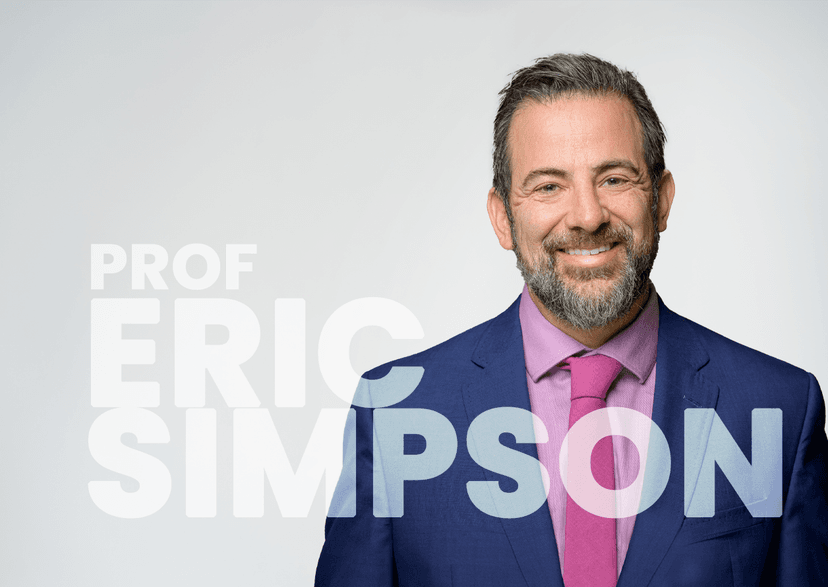
Under the Itchy Surface: The Insidious, Cumulative Burden of Type 2 Inflammation in AD
In this video from the March 2025 ADVENT symposium in Orlando, Florida, Dr. Eric Simpson discusses the systemic nature of atopic dermatitis (AD) and how the disease burden extends beyond the skin. Through the lens of cumulative life course impairment, Dr. Simpson goes on to explore how persistent type 2 inflammation in AD may drive both atopic and nonatopic comorbidities, emphasizing the potential importance of early and effective therapeutic intervention to alter disease progression

Unpacking the Significant Burdens of Atopic Dermatitis
Dr. Lawrence Eichenfield shares the cumulative burdens faced by patients with atopic dermatitis.

Decoding the Clinical Puzzle: Navigating Diagnostic Complexity Across Inflammatory Skin Diseases
Dr Sarina Elmariah highlights the clinical challenges in diagnosing inflammatory skin diseases, using prurigo nodularis as a case study. Drs Culton, Eichenfield, and Hawkes then join in to discuss additional challenges and complexities when diagnosing other skin diseases.

ADVENT On Air | Charting a New Course: The Frontier of Early Intervention and Disease Modification in AD
Join Drs. April Armstrong and Lisa Beck for a conversation around the long-term burden and effects of AD. They will discuss the underlying pathophysiology of AD and how early intervention and disease modification may impact disease course.
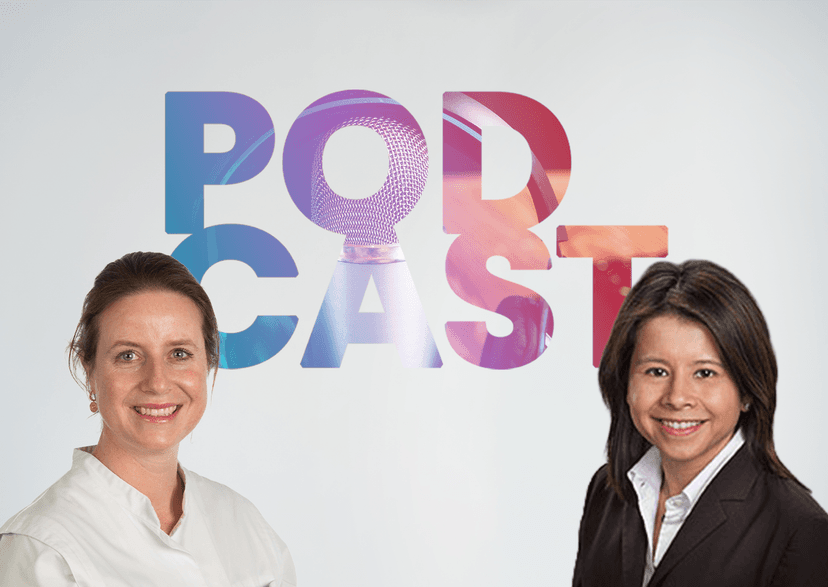
ADVENT on Air: OCS in CRSwNP Podcast
Listen to experts, Dr. Amber Luong and Dr. Marjolein Cornet, discuss the significant burden of oral corticosteroid (OCS) use in chronic rhinosinusitis with nasal polyps (CRSwNP) and its short-term, long-term, and cumulative risks, particularly for patients with coexisting conditions like asthma. Experts highlight the need for improved multidisciplinary approaches and OCS-sparing strategies to optimize patient care.

The Shared Path: Type 2 Inflammation As a Driver of Chronic Itch
Professor Matthias Augustin highlights the role of type 2 inflammation in chronic itch across distinct pruritic skin diseases and the cumulative burden of chronic itch and skin lesions in PN.

Inside the Hive: Type 2 Inflammatory Pathways in Chronic Spontaneous Urticaria
Join Dr. Jason Hawkes in discussing the burden of CSU and how type 2 inflammation contributes to the development of chronic wheals (hives) and angioedema

Atopic Dermatitis in Children: Not Just a Skin Disease
In this video of the October 2024 ADVENT symposium at EAPS in Vienna, Austria, Dr Mark Boguniewicz discusses the multidimensional and cumulative disease burden of AD and its associated comorbidities in children. Dr Boguniewicz also highlights the burden experienced by caregivers of children with AD
How Biologic Therapy May Lead to Disease Modification in Infants and Children with Atopic Dermatitis
The underlying pathophysiology of atopic dermatitis (AD) is driven by dysregulation of type 2 immunity that contributes to skin barrier dysfunction. AD typically develops very early in life and children with AD often develop other atopic conditions such as food allergy, asthma, and allergic rhinitis in a progression called the atopic march. Early treatment may help reduce the atopic march and other comorbidities to lessen the lifetime burden created by these diseases. There may even be a window of opportunity for disease modification.
