79 search results for: symptoms

The Path to Nodules: Type 2 Inflammation at the Core of Chronic Itch and Fibrosis in Prurigo Nodularis
Join Dr. Shawn Kwatra in discussing the diverse clinical presentations of PN and the role of type 2 inflammation in disease pathogenesis.

World Anosmia Awareness Day
Explore our educational resources about loss of smell and the role of type 2 inflammation in CRSwNP, featuring expert insights from Profs. Wytske Fokkens and Joaquim Mullol.

The Weight of Breath: The Impact of Pediatric Asthma on Patients and Caregivers
Learn about the multifaceted burden of uncontrolled pediatric asthma on patients and their caregivers.

UEGW 2024 | Something to Chew On: Exploring Biologics in EoE Management
Prof. Salvatore Oliva and Dr. Milli Gupta discuss the importance of long-term care, multidimensional assessment, and the latest data for biologics.
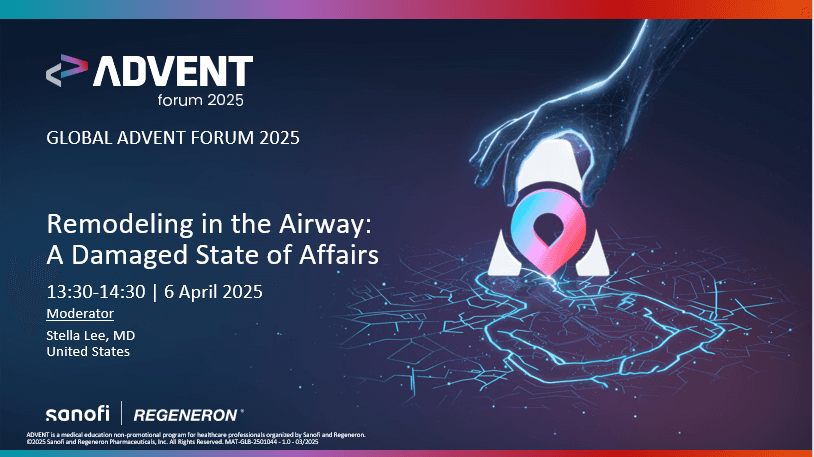
2025 ADVENT Forum | Remodeling in the Airway: A Damaged State of Affairs
Explore the intricate world of airway remodeling with this comprehensive recording of the live session held at the 2025 ADVENT Forum: "Remodeling in the Airway: A Damaged State of Affairs." Moderated by Dr. Stella Lee, this session brings together a powerhouse multidisciplinary panel to dissect the multifaceted nature of airway damage.

Clinical Manifestations Associated With Airway Remodeling in Asthma
Join Dr. Hanania to understand how to identify patients at risk of fixed airway obstruction in clinical settings.

Impact of Exacerbations in COPD
Dr. Stephanie Christenson discusses the association between COPD exacerbations and the increased risks of morbidity and mortality
The Pathophysiology of Prurigo Nodularis
An infographic exploring the pathophysiology of prurigo nodularis and the role of type 2 inflammation.

Type 2 Inflammation: Links With Severe Uncontrolled CRSwNP
In this video soundbite from the ERS-ISIAN 2025 symposium, Dr. Vibeke Backer discusses how Type 2 inflammation drives severe, uncontrolled CRSwNP. It covers key immune cells and biomarkers (e.g., IL-4, IL-5, IL-13, TSLP), global prevalence differences, and the importance of symptom tracking and targeted therapies.
