156 search results for: Clinical Management
Differential Effects of Dupilumab and JAK Inhibitors on CCL17 (TARC) in Patients With AD
In this soundbite video from the April 2025 ADVENT Forum in Lisbon, Portugal, Prof. Oscar Palomares compares the effects of biologics and JAK inhibitors on the biomarker CCL17 (TARC) in atopic dermatitis.
Dupilumab Reduces Total IgE and Allergen-Specific IgE in a Real-World Study of Pediatric Patients With AD and Type 2 Comorbidities
In this soundbite video from the April 2025 ADVENT Forum in Lisbon, Portugal, Prof. Oscar Palomares discusses evidence demonstrating that dupilumab reduces both total and allergen-specific IgE in pediatric patients with atopic dermatitis and comorbid allergic diseases, underscoring the role of IL-4/IL-13 blockade in modulating B-cell activity.

ERS-ISIAN 2025 | Disease Control in CRSwNP
Unpack the keys to successful disease control in CRSwNP alongside expert Prof. Vibeke Backer. Learn how to navigate treatment pathways for improved patient quality of life.

ERS-ISIAN 2025 | Type 2 Inflammation and Disease Control in CRSwNP: Current Perspectives and Future Directions
The ERS-ISIAN 2025 symposium, featuring Prof. Vibeke Backer and Prof. Sietze Reitsma, titled "Type 2 Inflammation and Disease Control in CRSwNP: Current Perspectives and Future Directions," will delve into the complexities of the role of type 2 inflammation in CRSwNP.

ADVENT On Air | Remission in CRSwNP
Prof. Peter Hellings and Dr. Stella Lee discuss the concept of remission for patients with chronic rhinosinusitis with nasal polyps.
CRSwNP at Center Stage: Impact of Biologics in Patients with Co-existing Type 2 Asthma
In this video soundbite from the EAACI 2025 symposium, Dr. Philippe Gevaert explains how biologic options for uncontrolled CRSwNP are increasing, and phase 3 studies of approved biologics show improved outcomes and decreased SCS use/surgery in patients with CRSwNP. Additionally, he explains how biologics targeting type 2 inflammatory pathophysiology potentially improve outcomes for eligible patients with co-existing CRSwNP and asthma.
ADVENT on Air: OCS in CRSwNP Podcast
Listen to experts, Dr. Amber Luong and Dr. Marjolein Cornet, discuss the significant burden of oral corticosteroid (OCS) use in chronic rhinosinusitis with nasal polyps (CRSwNP) and its short-term, long-term, and cumulative risks, particularly for patients with coexisting conditions like asthma. Experts highlight the need for improved multidisciplinary approaches and OCS-sparing strategies to optimize patient care.
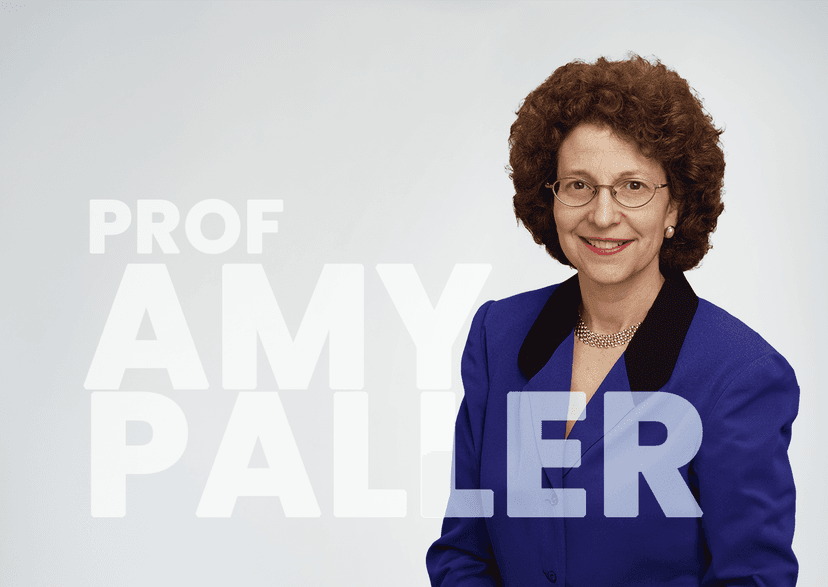
Atopic and Nonatopic Comorbidities in AD and the Importance of Early Intervention
In this soundbite video from the April 2025 ADVENT Forum in Lisbon, Portugal, Dr Amy Paller reviews the increased risk of atopic and nonatopic comorbidities associated with atopic dermatitis and discusses the potential of early intervention to mitigate their development.
2025 ADVENT Forum | Potential for Disease Modification in the Airway
Unlock new perspectives on managing chronic airway diseases. Profs. Leonard Bacharier, Eugenio De Corso, Stella Lee, Marc Miravitlles, Celeste Porsbjerg, Klaus Rabe, and Martin Wagenmann – share their collective wisdom and experience on the evolving landscape of therapeutic strategies aimed at truly modifying disease progression, offering renewed hope for patients and practitioners alike.
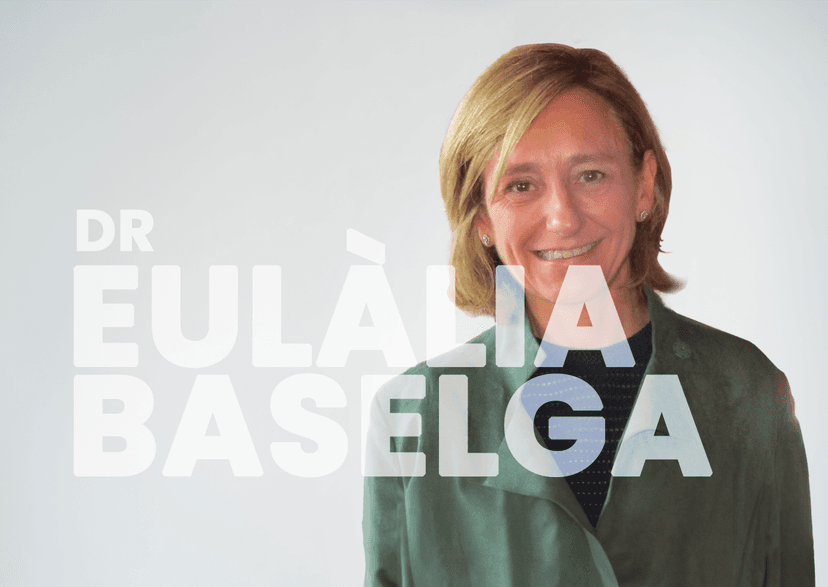
Charting the Future: Preventing the Atopic March
In this video from the April 2025 WCPD symposium, Dr Eulàlia Baselga discusses how early intervention during infancy and childhood in patients with AD may reduce the progression of the atopic march. Dr Baselga goes on to review data showing how the reduction of biomarkers such as IgE and CCL17 may reduce inflammation and sensitization that contribute to atopic comorbidities.
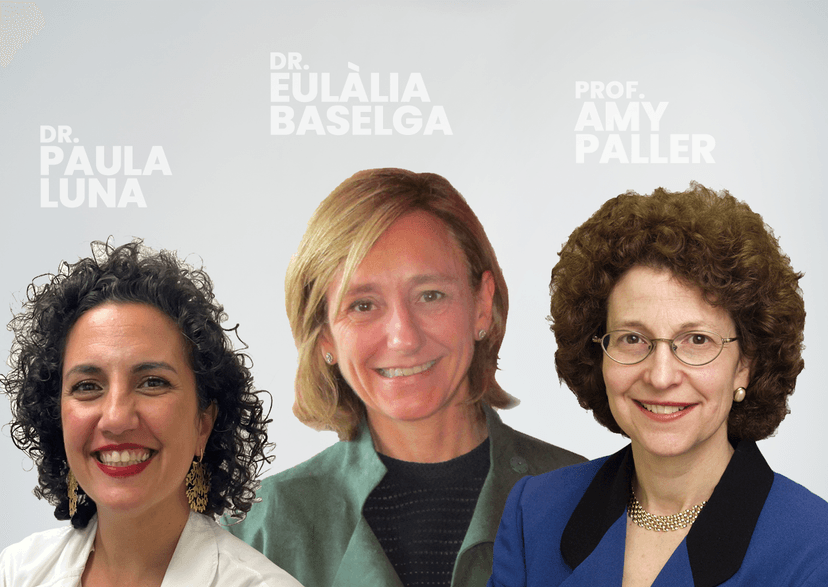
How Biologic Therapy May Lead to Disease Modification in Infants and Children With Atopic Dermatitis
This full video presentation of the April 2025 WCPD symposium features Dr Amy Paller, Dr Paula Luna, and Dr Eulàlia Baselga. The faculty present the latest data on the possibility of achieving disease modification in infants and children with atopic dermatitis.

EAACI PAAM 2025 | How Type 2 Inflammation Shapes a Lifetime
Join ADVENT faculty members Len Bacharier, Antonella Cianferoni, and Andre Moreira for an educational symposium highlighting type 2 inflammation and its shared and distinct roles in multiple chronic pediatric diseases.
