62 search results for: symposium
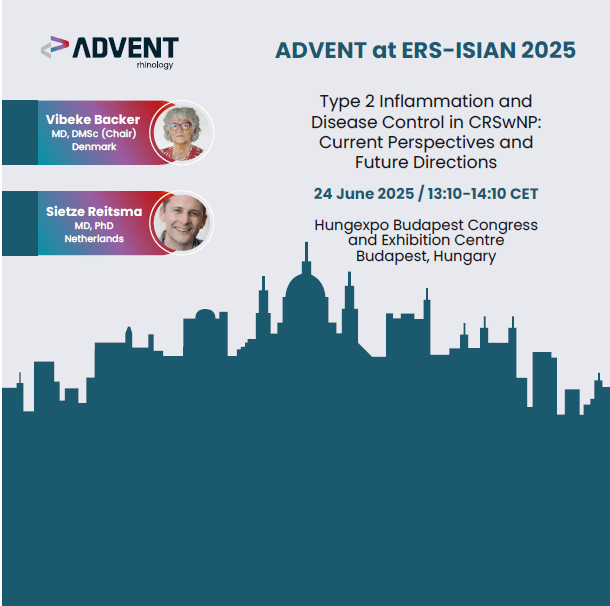
ADVENT at ERS-ISIAN 2025
Join experts Vibeke Backer, MD, DMSC, and Sietze Reitsma, MD, at an educational symposium involving a comprehensive exploration of the type 2 inflammation and its pivotal role in the pathogenesis and management of CRSwNP.
ADVENT at NAPNAP 2025
Join experts Jonathan Spergel, MD, PhD, Wanda Phipatanakul, MD, MS, and Jerry Ellen Schonfeld, CPNP, at an educational symposium as they investigate the role of type 2 inflammation in pediatric diseases. The speakers will also discuss the difficulties in diagnosis and burdens patients and their families face.
The Benefits of Early Intervention in AD: More Than Skin Deep
Many AD treatment goals focus on clinical manifestations, so that if a patient is free of lesions, their disease is considered well controlled. However, the inflammatory process underlying AD reaches far beyond the skin, affecting patients in unique ways at different stages of their lives. Education on the importance of treating AD beyond the skin and altering the treatment approach to fit the individual patient will help improve clinical management and reduce long-term patient burden.

Unraveling the Link of Type 2 Inflammation and Airway Remodeling in Asthma
Join Dr. Celeste Porsbjerg as she discussed on how type 2 inflammation may lead to airway remodeling in asthma, exploring the pathophysiologic mechanisms, that ultimately lead to structural changes and irreversible loss of lung function

Pediatric Asthma Trajectory and Clinical Remission
Join Dr. Leonard Bacharier as he discusses the definition of clinical remission in pediatric asthma and how it can represent a potential target in pediatric asthma management.

Multifaceted Role of IL-13 in Airway Remodeling
Join Dr. Celeste Porsbjerg as she discusses on how IL-13 contributes to mucus plugging in asthma.

Mucus Plugging as a Potential Target in Asthma Management
Join Dr. Celeste Porsbjerg as she explores the mechanisms underlying mucus plugging development as mucociliary clearance. She explains how type 2 cytokines—particularly IL-13—impair this clearance mechanism, leading to mucus plugging, and worsened asthma outcomes.
ADVENT at ERS 2024
The ADVENT program will present four symposia sharing the latest science in asthma and COPD at the 2024 European Respiratory Society (ERS) Congress. Visit Booth #A4.02 to learn more about ADVENT.
ADVENT at EADV 2024
Join ADVENT at EADV 2024 congress (European Academy of Dermatology and Venereology) for 2 educational symposia on type 2 inflammation in atopic dermatitis and bullous pemphigoid. Visit Booth #A13 to learn more about type 2 inflammatory skin diseases with ADVENT.
How Biologic Therapy May Lead to Disease Modification in Infants and Children with Atopic Dermatitis
The underlying pathophysiology of atopic dermatitis (AD) is driven by dysregulation of type 2 immunity that contributes to skin barrier dysfunction. AD typically develops very early in life and children with AD often develop other atopic conditions such as food allergy, asthma, and allergic rhinitis in a progression called the atopic march. Early treatment may help reduce the atopic march and other comorbidities to lessen the lifetime burden created by these diseases. There may even be a window of opportunity for disease modification.
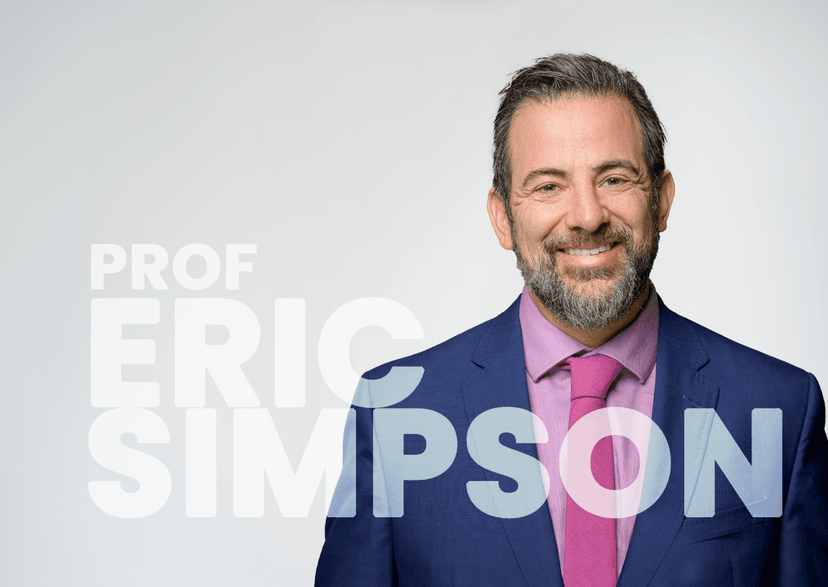
What do we mean by disease control in AD?
Dr. Eric Simpson discusses the differing goals of patients and physicians in treating atopic dermatitis and emphasizes the importance of patient input.
IFOS 2023 | Type 2 Inflammation and Clinically Relevant Improvements in CRSwNP
Dr. Stella Lee and Profs. Peter Hellings and Wytske Fokkens discuss type 2 inflammation, partnering with patients to improve outcomes, and real-world data on biologic effectiveness in CRSwNP.
