21 search results for: asthma
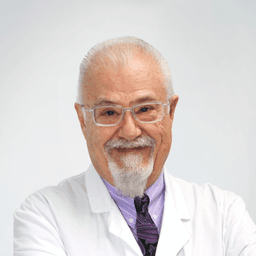
G. Walter Canonica, MD
Head of Personalized Medicine Center, Asthma and Allergy | Humanitas Research Hospital, Milan, Italy

Enrico Heffler, MD, PhD
Associate Professor of Internal Medicine and Consultant | Personalized Medicine Asthma and Allergy Unit, Humanitas University, Milan, Italy

Theresa Guilbert, MD, MS
Professor | University of Cincinnati; Director of the Asthma Center | Cincinnati Children’s Hospital Medical Center, Ohio, United States

Leonard Bacharier, MD
Janie Robinson and John Moore Lee Chair of Pediatrics and Director of Center for Pediatric Asthma Research | Vanderbilt University, Tennessee, United States
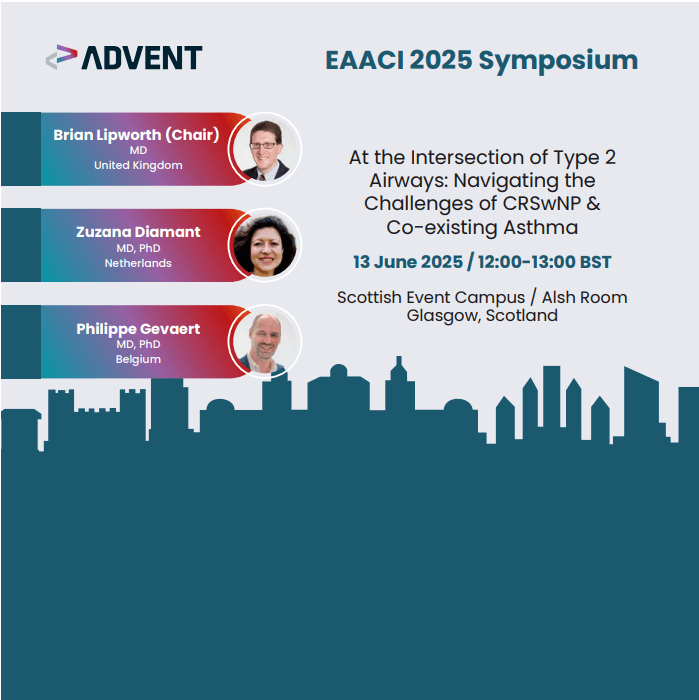
ADVENT at EAACI 2025
Join Profs. Brian Lipworth, Zuzana Diamant, and Philippe Gevaert at an sponsored symposium about the latest strategies for the management of co-existing type 2 asthma and severe and/or uncontrolled CRSwNP.

Elliot Israel, MD
Director of the Respiratory Therapy Department, Director of Clinical Research in the Pulmonary and Critical Care Medicine Division, Gloria M. and Anthony C. Simboli and Distinguished Chair in Asthma Research | Brigham and Women’s Hospital, Boston, United States

Brian Lipworth, MD
Brian Lipworth, MD, is a leading respiratory physician and researcher affiliated with Ninewells Hospital and Medical School, University of Dundee, Scotland, UK. His extensive body of work, reflected in highly cited publications, focuses on asthma and chronic obstructive pulmonary disease (COPD).
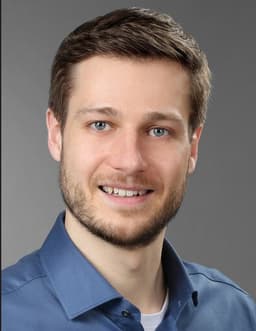
Frederik Trinkmann, MD
Frederik Trinkmann, MD, is an associate professor at Heidelberg University in Heidelberg, Germany. Additionally, he is an executive senior physician in the department of pulmonology and respiratory medicine and director of the Asthma Outpatient Clinic at the Thoraxklinik within Heidelberg University Hospital. Additionally, Professor Trinkmann serves as a research associate in the department of biomedical informatics in the Center for Preventative Medicine and Digital Health Baden-Württemberg at the University Medical Center Mannheim in Mannheim, Germany.
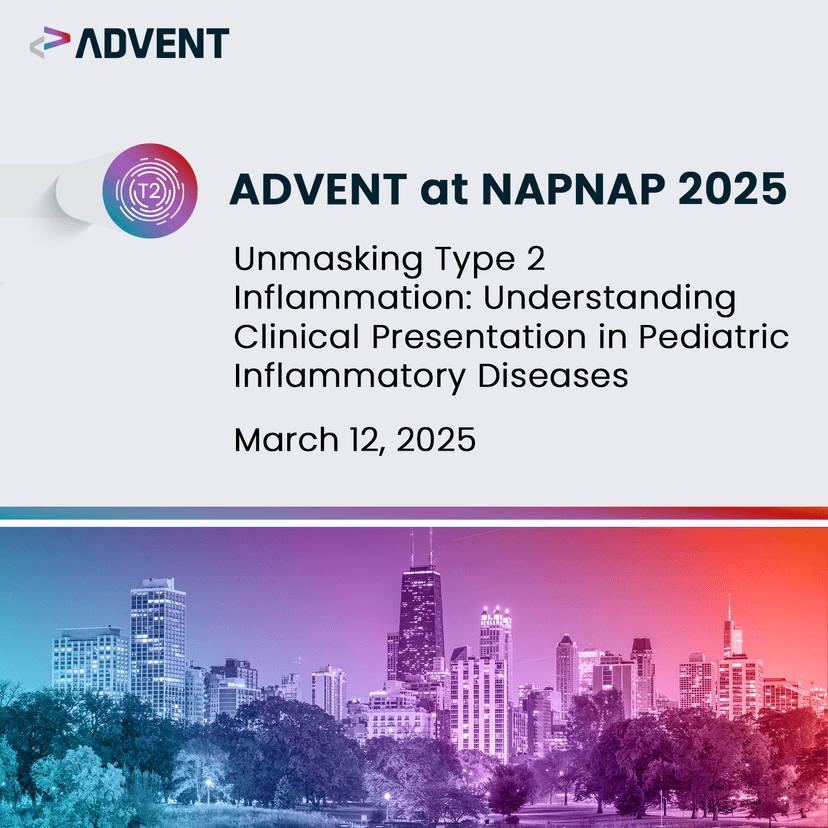
ADVENT at NAPNAP 2025
Join experts Jonathan Spergel, MD, PhD, Wanda Phipatanakul, MD, MS, and Jerry Ellen Schonfeld, CPNP, at an educational symposium as they investigate the role of type 2 inflammation in pediatric diseases. The speakers will also discuss the difficulties in diagnosis and burdens patients and their families face.
