44 search results for: pediatric

Pediatric Asthma Trajectory and Clinical Remission
Join Dr. Leonard Bacharier as he discusses the definition of clinical remission in pediatric asthma and how it can represent a potential target in pediatric asthma management.

Monitoring Lung Function Is an Important Aspect of Pediatric Asthma Management
Navigate through this interactive infographic to learn more about why lung function is important to monitor in pediatric patients with asthma and the noninvasive procedures that are available for implementation in clinical practice.
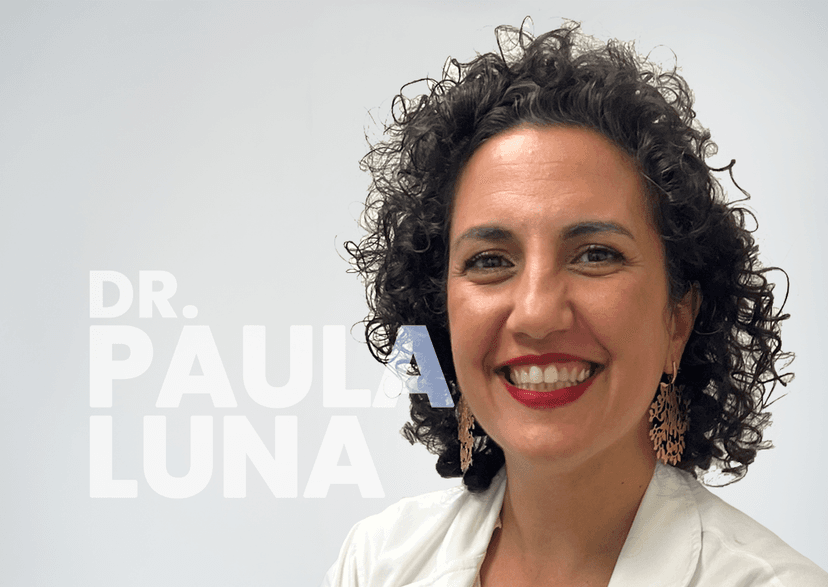
Digging Deeper: Reducing Non-Atopic Comorbidities and Multidimensional Disease Burden
In this video from the April 2025 WCPD symposium, Dr Paula Luna discusses the multidimensional disease burden in pediatric patients with AD and the data regarding how early intervention may lead to long-term disease control and a reduced risk of developing non-atopic comorbidities.
ADVENT at NAPNAP 2025
Join experts Jonathan Spergel, MD, PhD, Wanda Phipatanakul, MD, MS, and Jerry Ellen Schonfeld, CPNP, at an educational symposium as they investigate the role of type 2 inflammation in pediatric diseases. The speakers will also discuss the difficulties in diagnosis and burdens patients and their families face.

Elaine Siegfried, MD
Professor of Pediatrics and Dermatology in the Department of Pediatrics, Division of Dermatology at Saint Louis University School of Medicine, US

Moshe Ben-Shoshan, MD, MSc
Associate Professor, Department of Pediatrics, McGill University | Montréal, Quebec, Canada

Mercedes Gonzalez, FAAD, MD
Pediatric Dermatologist, DERM360 | Medical Director, Pediatric Skin Research | Miami, Florida, USA

Antonella Muraro, MD, PhD
Consultant Pediatric Allergist at the Department of Pediatrics of the University of Padova, Italy

Thomas Casale, MD
Professor of Medicine and Pediatrics; Chief of Clinical and Translational Research, University of South Florida, Tampa, United States

Danielle Marcoux, MD
Professor at the University of Montreal and Sainte-Justine University Medical Centre at the Department of Pediatrics, Dermatology Division, Quebec, Canada

Leonard Bacharier, MD
Janie Robinson and John Moore Lee Chair of Pediatrics and Director of Center for Pediatric Asthma Research | Vanderbilt University, Tennessee, United States

Donald Leung, MD, PhD
Chair of Pediatric Allergy-Immunology at the National Jewish Health, Professor of Pediatrics at the University of Colorado Denver School of Medicine, US
