16 search results for: disease background

ADVENT at IRS-ISIAN | Evolving Perspectives in CRSwNP: From Symptom Control to Disease Remission
Join Profs. Shigeharu Fujieda, Peter Hellings, and Eugenio De Corso for an educational symposium on the evolving understanding of disease control and clinical remission in CRSwNP.

Early Intervention and Disease Modification in AD: Can We Change the Course of the Disease?
Highlights from the ADVENT educational symposium at EADV 2024 where Professors Eric Simpson, Stephan Weidinger, and Marjolein de Bruin-Weller explored the local and systemic effects of type 2 inflammation in AD and potential benefits of early intervention with regard to disease modification.
European Society for Pediatric Dermatology (ESPD) 2024 | Košice, Slovakia
Inflammatory processes drive AD both within and beyond the skin, leading to significant, cumulative life impacts. Early intervention has the potential to mitigate these impacts by altering the disease course.
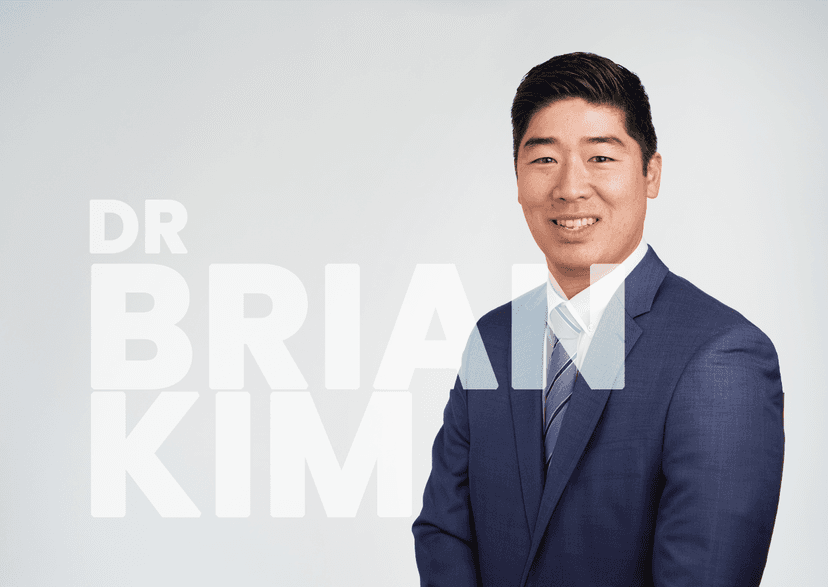
Distinct Mechanisms Drive Inflammation and Itch in Chronic, Type 2 Inflammatory Diseases
In this soundbite video from the April 2025 ADVENT Forum in Lisbon, Portugal, Dr Brian Kim provides an overview of itch in type 2 inflammatory skin diseases and explains how the shared and unique mechanisms that drive inflammation and itch mediate each disease in distinct ways.

Emerging Perspectives on the Disease Burden and Management of Children with Atopic Dermatitis
Join Christine Bangert, Mark Boguniewicz and Perla Lansang for an educational symposium on atopic dermatitis (AD) in children, exploring the diagnosis and pathophysiology of AD in children, the life-long effects of uncontrolled disease beyond the skin, and current and emerging therapies.
ESPD 2024 | Atopic Dermatitis in Children: Can Early Therapeutic Intervention Shape Disease Course?
This symposium illustrated the ways type 2inflammation contributes to atopic dermatitis (AD) disease pathogenesis within and beyond the skin, discussed the importance of early intervention in children with AD, and explored the potential for disease modification. The program concluded with a review of the latest clinical and real-world data on advanced systemic treatments for children with AD.
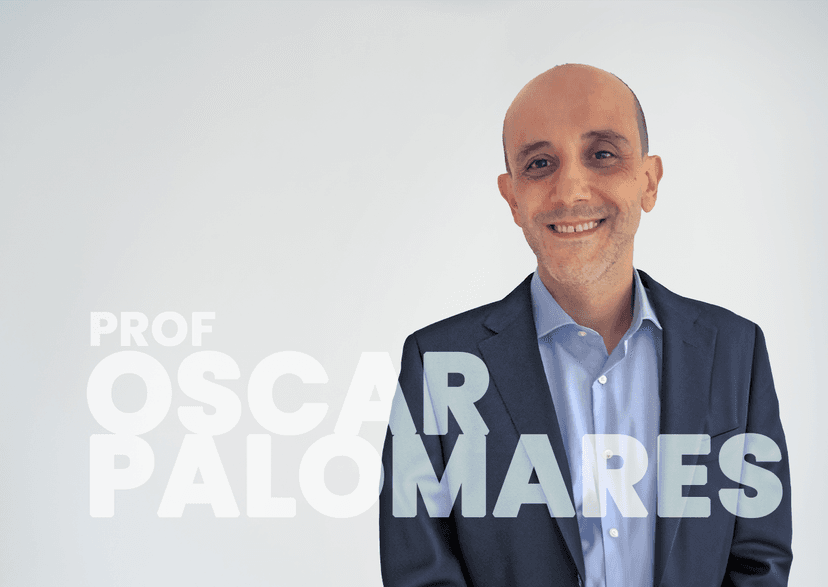
Why targeting Type 2 Inflammation is important in the treatment of skin diseases like AD, PN and CSU
Dr. Palomares discusses how type 2 inflammation, an aberrant immune response, underlies skin diseases like atopic dermatitis, prurigo nodularis, and chronic spontaneous urticaria, linking to their clinical symptoms.

ADVENT Forum 2025 On Demand page
Watch on-demand expert soundbites recorded at the April 2025 ADVENT Forum in Lisbon, Portugal, featuring dermatology and immunology perspectives on mechanisms and clinical practice. Topics range from disease mechanism to patient care and quality of life, spanning atopic dermatitis (AD), prurigo nodularis (PN), chronic spontaneous urticaria (CSU) and bullous pemphigoid (BP).
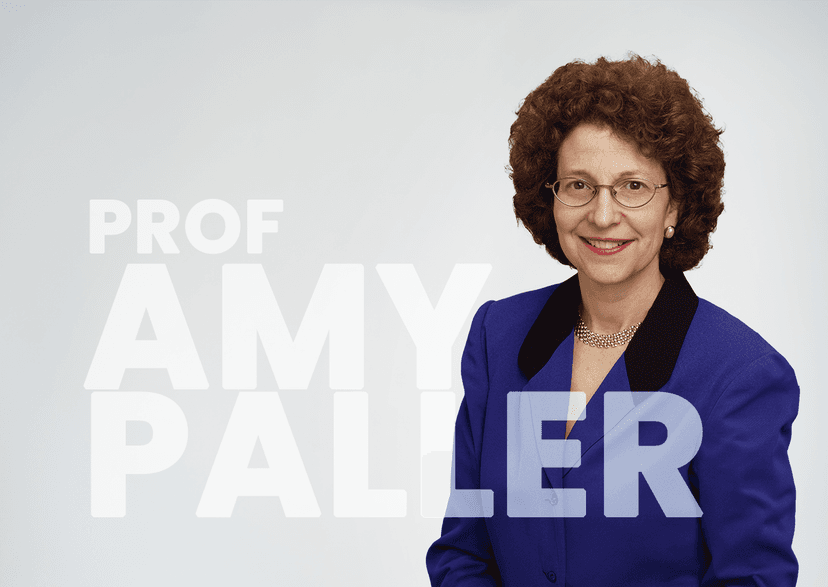
Can early intervention modify the course of AD?
Dr. Amy Paller emphasizes that early intervention in children can alter disease progression. Depending on the severity, this can be achieved with topical interventions or systemic therapies.
World Congress of Dermatology (WCD) 2023 | Singapore
Highlights from the ADVENT symposium at the 2023 World Congress of Dermatology in Singapore.

Explore the Global Burden of Pediatric AD (PEDISTAD)
This interactive tool allows you to explore the global burden of AD in pediatric patients <12 years from the PEDISTAD Study.
