23 search results for: symptoms
Identifying BP: How do symptoms of BP and their severity alter patient diagnosis?
Dr. Victoria Werth explains how diagnosing BP can pose many difficulties in patients due to the variation of symptoms and symptom severity. Dr. Werth also discusses what burden and challenges BP patients might expect as a result.

Beyond Signs and Symptoms: Broadening Treatment Goals in Dermatology
Dr Lawrence Eichenfield explores the broadening of treatment goals for long-term disease control, highlighting the importance of this approach in atopic dermatitis. Drs Culton, Elmariah, and Hawkes expand the discussion to further examine specific management goals unique to each skin disease (bullous pemphigoid, prurigo nodularis, and chronic spontaneous urticaria).
Diagnosis and Clinical Manifestations of Bullous Pemphigoid
Join Dr. Meijer as he highlights the signs and symptoms of bullous pemphigoid, and the importance of accurate and prompt diagnosis.
Blisters and Beyond: Autoimmunity Meets Type 2 Inflammation in Bullous Pemphigoid
Join Dr. Victoria Werth in exploring the clinical presentation of BP and how type 2 inflammation contributes to the development of disease signs and symptoms

Type 2 Inflammation and Sinonasal Barrier Dysfunction in CRSwNP
Explore how type 2 inflammation drives sinonasal barrier dysfunction in chronic rhinosinusitis with nasal polyps (CRSwNP) with this video on the cellular mechanisms behind hallmark symptoms — including nasal congestion and loss of smell.
Coexisting Type 2 Inflammatory Diseases Can Add to the Patient Overall Disease Burden
In this soundbite video from the April 2025 ADVENT Forum in Lisbon, Portugal, Prof. Oscar Palomares highlights how patients with type 2 inflammatory diseases often experience multimorbidities, with overlapping symptoms that amplify their overall disease burden and impact quality of life.

The Path to Nodules: Type 2 Inflammation at the Core of Chronic Itch and Fibrosis in Prurigo Nodularis
Join Dr. Shawn Kwatra in discussing the diverse clinical presentations of PN and the role of type 2 inflammation in disease pathogenesis.
World Anosmia Awareness Day
Explore our educational resources about loss of smell and the role of type 2 inflammation in CRSwNP, featuring expert insights from Profs. Wytske Fokkens and Joaquim Mullol.
Diagnosis of Bullous Pemphigoid Interactive Patient Case
An interactive patient case tool involving a deeper dive into assessing clinical presentation when diagnosing bullous pemphigoid (BP)

The Weight of Breath: The Impact of Pediatric Asthma on Patients and Caregivers
Learn about the multifaceted burden of uncontrolled pediatric asthma on patients and their caregivers.
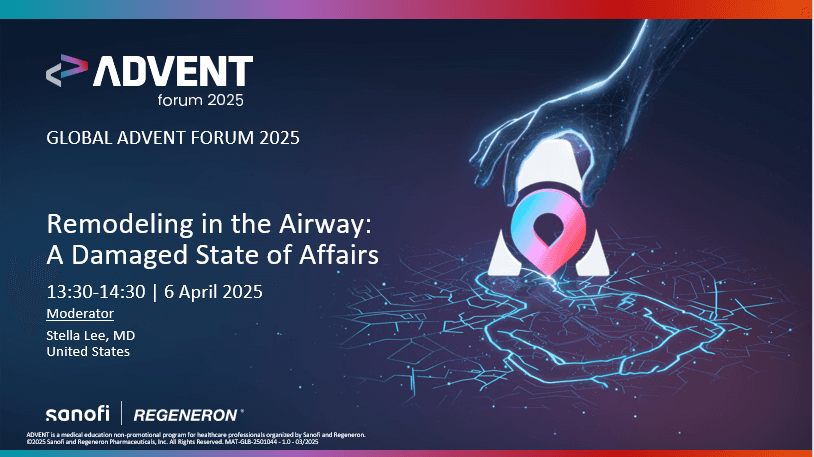
2025 ADVENT Forum | Remodeling in the Airway: A Damaged State of Affairs
Explore the intricate world of airway remodeling with this comprehensive recording of the live session held at the 2025 ADVENT Forum: "Remodeling in the Airway: A Damaged State of Affairs." Moderated by Dr. Stella Lee, this session brings together a powerhouse multidisciplinary panel to dissect the multifaceted nature of airway damage.

Clinical Manifestations Associated With Airway Remodeling in Asthma
Join Dr. Hanania to understand how to identify patients at risk of fixed airway obstruction in clinical settings.
