96 search results for: symposium

EAACI 2024 | On-Treatment Clinical Remission in Upper and Lower Airways: Going Beyond Symptom Control
Join experts G. Walter Canonica, Vibeke Backer, and Joaquim Mullol for an educational symposium on elevating treatment goals from control to remission in the upper and lower airways.

How do You Define Active Disease (CRSwNP) When Looking at the Nose With an Endoscope?
In this video clip from the EAACI 2024 symposium, Dr. Mullol discusses the challenge of defining active nasal disease using an endoscope.
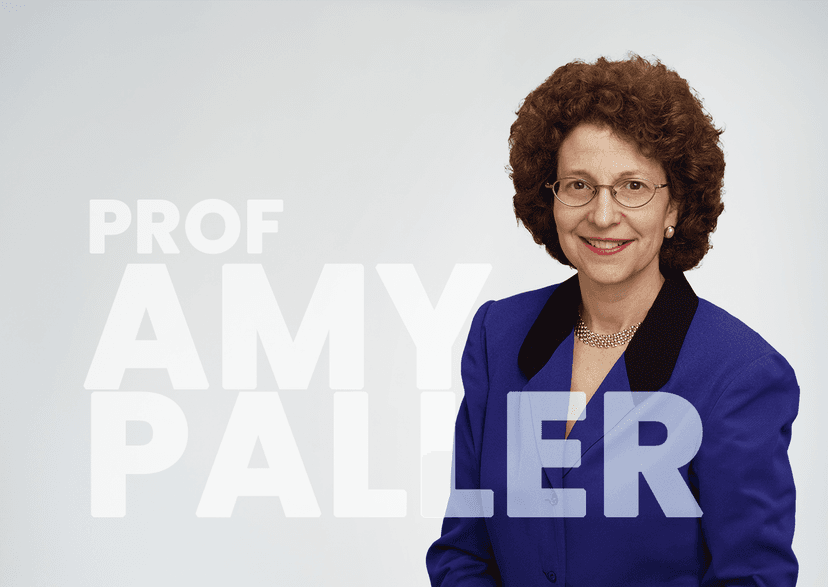
On the Surface: Restoring the Skin Barrier in Patients with AD
In this clip from the April WCPD 2025 symposium, Dr Amy Paller highlights CCL17 (TARC) as an important biomarker in AD.

Can Chronic Rhinosinusitis With Nasal Polyps be Considered in Remission if the Patient has an Impaired Sense of Smell?
Dr. Backer discusses assessing remission in CRSwNP by evaluating the patient's sense of smell in this video clip from the EAACI 2024 symposium.

Digging Deeper: Reducing Non-Atopic Comorbidities and Multidimensional Disease Burden
In this clip from the April WCPD 2025 symposium, Dr Paula Luna discusses how moderate-to-severe AD may hinder growth in pediatric patients.

Charting the Future: Preventing the Atopic March
In this clip from the April WCPD 2025 symposium, Dr Eulàlia Baselga discusses data identifying atopic dermatitis as the first diagnosed atopic disease and the start of the atopic march.

Charting the Future: Preventing the Atopic March
In this clip from the April WCPD 2025 symposium, Dr Eulàlia Baselga highlights the multidimensional burden of uncontrolled AD and how the various burdens contribute to Cumulative Life Course Impairment (CLCI).

ERS-ISIAN 2025 | Type 2 Inflammation and Disease Control in CRSwNP: Current Perspectives and Future Directions
The ERS-ISIAN 2025 symposium, featuring Prof. Vibeke Backer and Prof. Sietze Reitsma, titled "Type 2 Inflammation and Disease Control in CRSwNP: Current Perspectives and Future Directions," will delve into the complexities of the role of type 2 inflammation in CRSwNP.

Head-to-Head Trials of Biologics in CRSwNP
In this video soundbite from the ERS-ISIAN 2025 symposium, Dr. Sietze Reitsma discusses findings from the EVEREST trial, the first head-to-head study comparison of dupilumab and omalizumab in patients with severe CRSwNP and coexisting asthma. It also introduces the ongoing TORNADO study.

Type 2 Inflammation: Links With Severe Uncontrolled CRSwNP
In this video soundbite from the ERS-ISIAN 2025 symposium, Dr. Vibeke Backer discusses how Type 2 inflammation drives severe, uncontrolled CRSwNP. It covers key immune cells and biomarkers (e.g., IL-4, IL-5, IL-13, TSLP), global prevalence differences, and the importance of symptom tracking and targeted therapies.
ADVENT at WCI 2025
Join ADVENT for an educational symposium on PN at WCI 2025!

Should we Still Operate on Patients With Chronic Rhinosinusitis With Nasal Polyps?
This video clip from the EAACI 2024 symposium discusses whether patients with CRSwNP should undergo a surgery.
