121 search results for: burden of disease
ADVENT On Air | Expert Discussions in Dermatology
Listen to the latest updates in type 2 inflammatory science and associated skin diseases, brought to you by leading dermatology experts in the field. ADVENT On Air podcasts feature scientific conversations that explore new research into the pathophysiology, clinical features, and disease burden for a range of dermatological diseases linked to type 2 inflammation, including atopic dermatitis (AD) and prurigo nodularis (PN). Hear new insights revealed through expert-led conversations below or in your preferred podcast app.



KOL Video Interview – Dr. Eric Simpson
In this exclusive KOL interview, Dr. Eric Simpson explores the cumulative, long-term impact of atopic dermatitis and highlights the potential benefits of initiating treatment early to help manage disease burden.

CLCI in Atopic Dermatitis Infographic
This infographic highlights how uncontrolled moderate‑to‑severe atopic dermatitis (AD) can lead to Cumulative Life Course Impairment (CLCI) by contributing to ongoing physical, psychological, and social burdens such as itch and sleep loss, impaired bone growth and mental health challenges. It emphasizes the importance of early and effective disease control to help reduce long‑term impact on patients.
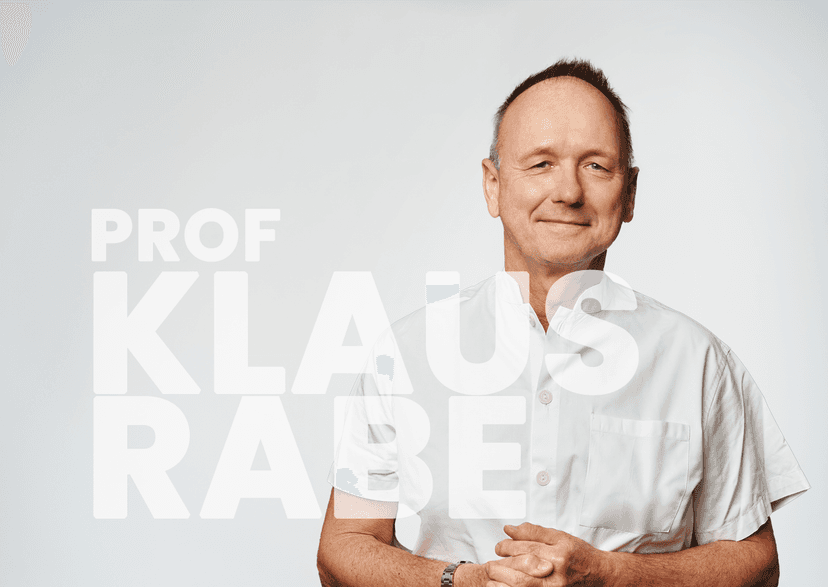
ERS 2024 | View From the Clinic: What Are the Clinical Consequences of Airway Remodeling?
Professor Klaus Rabe shares a patient case highlighting the burden of disease associated with airway remodeling and discusses practical aspects of identifying and managing airway remodeling in severe asthma patients with Professor Porsbjerg and Dr Castro.

Expert Interview: Featuring Dr Shawn Kwatra on PN itch and impact on patients
Join Dr Kwatra as he dives deeper into the mechanism of lesion formation in Prurigo Nodularis and the impact the development of these skin lesions have on patient life.
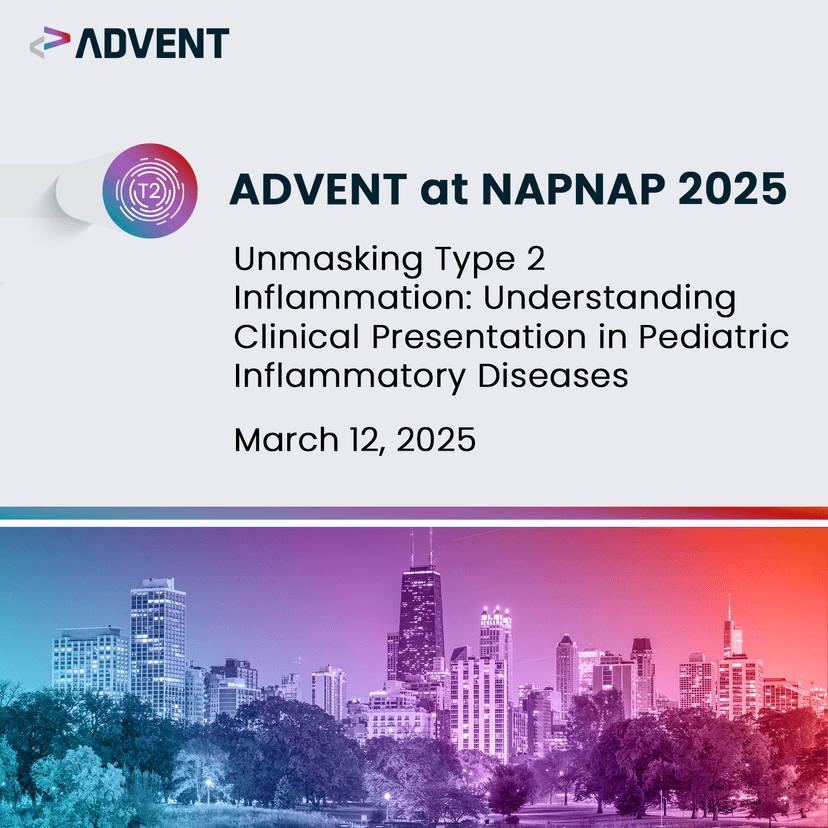
ADVENT at NAPNAP 2025
Join experts Jonathan Spergel, MD, PhD, Wanda Phipatanakul, MD, MS, and Jerry Ellen Schonfeld, CPNP, at an educational symposium as they investigate the role of type 2 inflammation in pediatric diseases. The speakers will also discuss the difficulties in diagnosis and burdens patients and their families face.
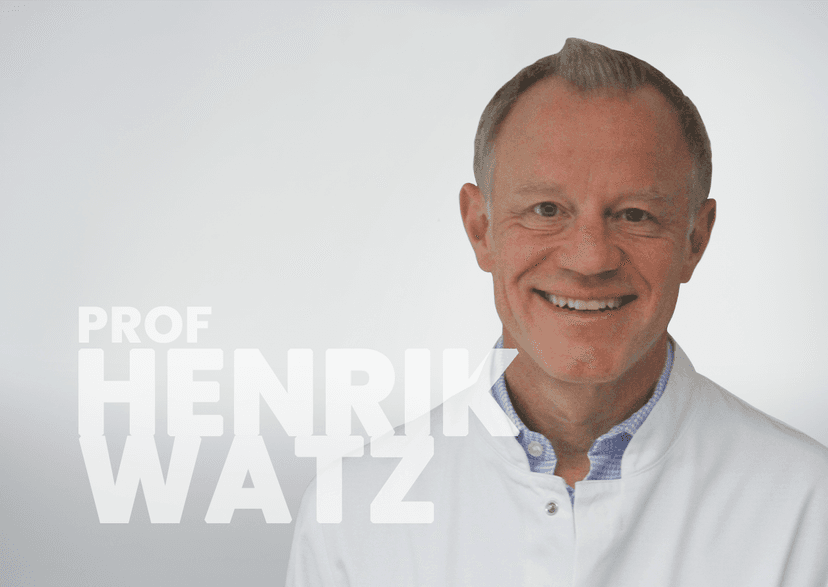
ERS 2024 | Living With COPD: Linking Inflammation with Patient Burden
Professor Henrik Watz explores the complex relationship between inflammation and COPD, highlighting its impact on patients' health and overall quality of life.

The Path to Nodules: Type 2 Inflammation at the Core of Chronic Itch and Fibrosis in Prurigo Nodularis
Join Dr. Shawn Kwatra in discussing the diverse clinical presentations of PN and the role of type 2 inflammation in disease pathogenesis.

AANP 2025 | Atopic Diseases & a Case-Based Panel of Nurse Practitioners
Experts from different specialties use a case-based discussion to understand type 2 inflammatory diseases from a nurse practitioner perspective.
Uncovering the Impact of Moderate COPD Exacerbations
The infographic provides information about the clinical characteristics used to classify moderate COPD exacerbations and the impact of these events on lung function, future risk, and mortality.

Understanding the Full Scope of PN: Lesions, Dyspigmentation, and Patient Burden
Professor Matthias Augustin details the various clinical manifestations of prurigo nodularis, illustrating how different lesion types can present concurrently in patients.

Understanding IL-33: A Key Factor in COPD Pathogenesis
Explore the role of interleukin (IL)-33 in chronic obstructive pulmonary disease (COPD) pathophysiology and its potential as a therapeutic target.
