131 search results for: type 2 inflammation

Type 2 Inflammation and Sinonasal Barrier Dysfunction in CRSwNP
Explore how type 2 inflammation drives sinonasal barrier dysfunction in chronic rhinosinusitis with nasal polyps (CRSwNP) with this video on the cellular mechanisms behind hallmark symptoms — including nasal congestion and loss of smell.
Mechanisms of Disease: Autoimmunity and Role of Type 2 Inflammation in Bullous Pemphigoid (BP)
In this ADVENT symposium at the 2024 EADV meeting, Professor Enno Schmidt discusses the pathophysiology of BP, focusing on autoimmunity and the role of type 2 inflammation.
Underlying Type 2 Inflammation Drives a Chronic Itch-Scratch Cycle in Atopic Dermatitis
In this soundbite video from the April 2025 ADVENT Forum in Lisbon, Portugal, Dr. Brian Kim explains how underlying type 2 inflammation sustains the chronic itch-scratch cycle in atopic dermatitis, highlighting the interplay of barrier dysfunction, cytokine signaling, and neuronal activation.

Connecting Type 2 Inflammation to CRSwNP
Prof. Claus Bachert describes how type 2 inflammation drives CRSwNP.
Blisters and Beyond: Autoimmunity Meets Type 2 Inflammation in Bullous Pemphigoid
Join Dr. Victoria Werth in exploring the clinical presentation of BP and how type 2 inflammation contributes to the development of disease signs and symptoms

Type 2 Inflammation Is a Driving Factor for Atopic Dermatitis and Related Comorbidities
Dr. Lawrence Eichenfield describes the pathophysiology of atopic dermatitis and how type 2 inflammation may sensitize patients to atopic comorbidities.
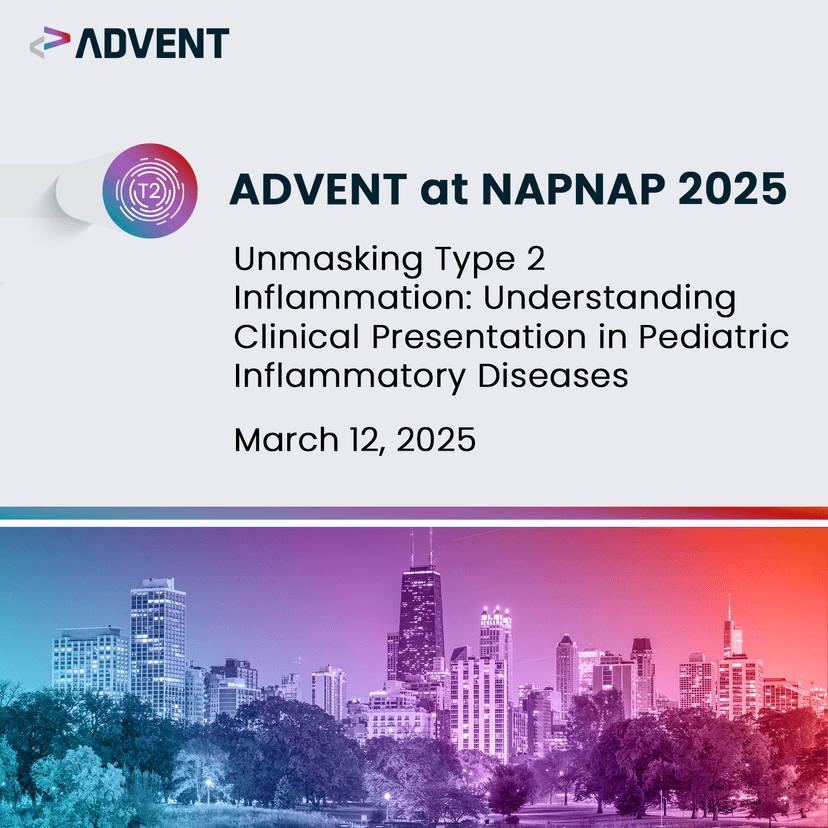
ADVENT at NAPNAP 2025
Join experts Jonathan Spergel, MD, PhD, Wanda Phipatanakul, MD, MS, and Jerry Ellen Schonfeld, CPNP, at an educational symposium as they investigate the role of type 2 inflammation in pediatric diseases. The speakers will also discuss the difficulties in diagnosis and burdens patients and their families face.
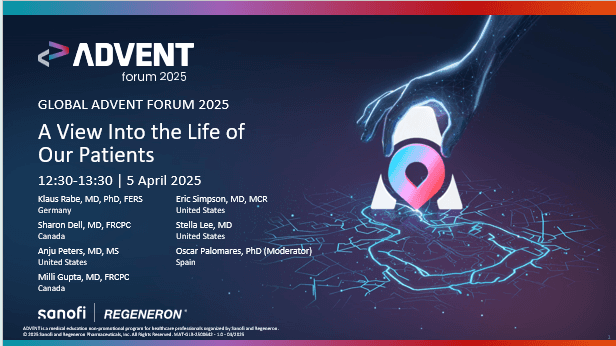
2025 ADVENT Forum | Joint Plenary Session: A View into the Life of Our Patients Video
This cross-TA plenary session addressed challenges in type 2 inflammation-driven diseases. Esteemed faculty, including Profs Klaus Rabe, Sharon Dell, Anju Peters, Milli Gupta, Eric Simpson, Stella Lee, and moderator Oscar Palomares, discussed strategies to enhance quality of life, reduce disease burden, and prioritize patient-centered care.

AANP 2025 | Atopic Diseases & a Case-Based Panel of Nurse Practitioners
Experts from different specialties use a case-based discussion to understand type 2 inflammatory diseases from a nurse practitioner perspective.

Shared and Distinct: The Role of Type 2 Inflammation in Skin Diseases
Dr Donna Culton walks through the pathophysiology of type 2 inflammation in inflammatory skin diseases, using bullous pemphigoid as an example. Drs Eichenfield, Elmariah, and Hawkes join to discuss the role of type 2 inflammation across atopic dermatitis, prurigo nodularis, and chronic spontaneous urticaria, respectively.

ERS-ISIAN 2025 | Type 2 Inflammation and Disease Control in CRSwNP: Current Perspectives and Future Directions
The ERS-ISIAN 2025 symposium, featuring Prof. Vibeke Backer and Prof. Sietze Reitsma, titled "Type 2 Inflammation and Disease Control in CRSwNP: Current Perspectives and Future Directions," will delve into the complexities of the role of type 2 inflammation in CRSwNP.
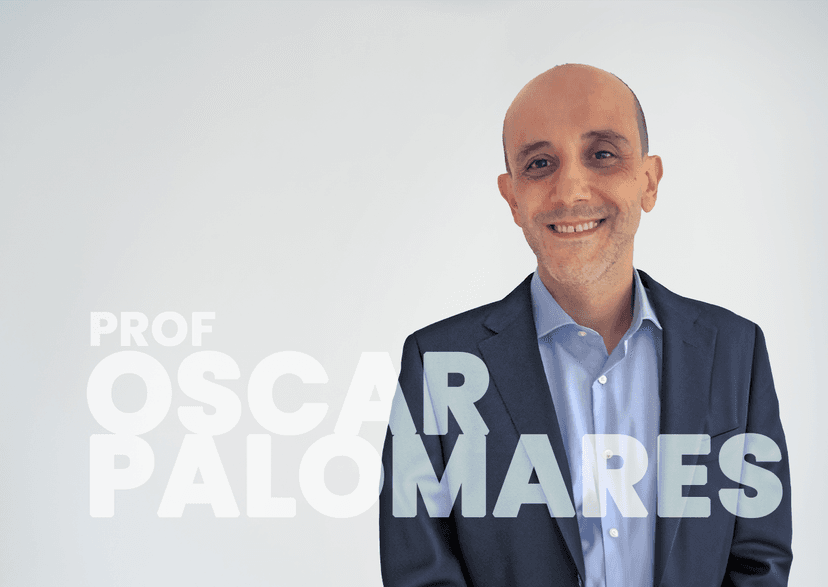
Type 2 Inflammatory Disease: What Are the Mechanisms that Contribute to the Development of Other Atopic Comorbidities?
In this soundbite video from the April 2025 ADVENT Forum in Lisbon, Portugal, Prof. Oscar Palomares explains how type 2 inflammation and barrier dysfunction contribute to the development of atopic comorbidities and increased susceptibility to infections.
