35 search results for: Bullous Pemphigoid

Cracking the Code: Diagnosing and Managing Skin Diseases With Type 2 Inflammation
This symposium delves into the pivotal role of type 2 inflammation in diverse skin conditions, including atopic dermatitis, prurigo nodularis, chronic spontaneous urticaria, and bullous pemphigoid. It highlights both shared and distinct disease mechanisms and patient burdens, providing crucial insights for optimizing clinical management strategies through a series of engaging panel discussions with Drs Eichenfield, Elmariah, Culton, and Hawkes.

The Patient's Path: Unraveling the Diagnosis and Burden of Bullous Pemphigoid
Follow Janet, a hypothetical patient, as she navigates the difficult journey of bullous pemphigoid, starting with symptom onset to diagnosis.
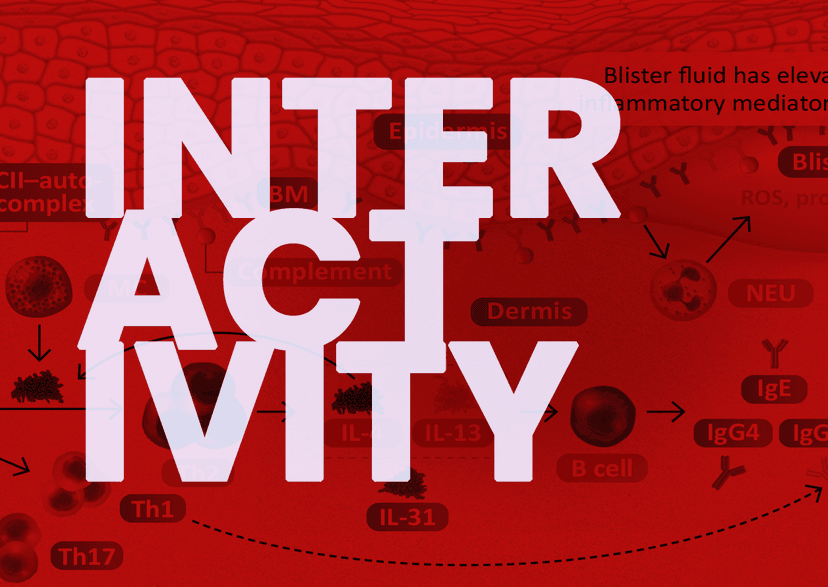
Bullous Pemphigoid (BP) Pathophysiology Infographic
A static infographic detailing how autoimmunity and Type 2 inflammation play a critical role in the pathophysiology of Bullous Pemphigoid (BP).

Heterogeneous Presentation and Diagnosis in Bullous Pemphigoid
Dr. Donna Culton describes the heterogeneous presentation and diagnosis of bullous pemphigoid at EADV 2025
Bullous Pemphigoid Differential Diagnosis and Management Interactive Tool
This interactive tool systematically guides healthcare providers through the complete diagnostic pathway for suspected bullous pemphigoid and provides a comparative overview of leading international treatment guidelines to inform optimal patient management.

Decoding the Clinical Puzzle: Navigating Diagnostic Complexity Across Inflammatory Skin Diseases
Dr Sarina Elmariah highlights the clinical challenges in diagnosing inflammatory skin diseases, using prurigo nodularis as a case study. Drs Culton, Eichenfield, and Hawkes then join in to discuss additional challenges and complexities when diagnosing other skin diseases.

Bullous Pemphigoid Learning Hub
Welcome to the BP learning hub focused on key scientific education on bullous pemphigoid, featuring ADVENT resources.

Pathophysiology of Blister Formation in Bullous Pemphigoid
Professor Enno Schmidt discusses the pathophysiology of BP, focusing on the role of type 2 inflammation and blister formation

Importance of Early Diagnosis in Bullous Pemphigoid
Join Dr. Werth as she outlines how early diagnosis and treatment are critical to minimize risk and improve long term outcomes in patients with BP.

Risk of Mortality and Infections in Bullous Pemphigoid
Dr. Victoria Werth walks through the serious comorbidity risks associated with BP diagnosis

Factors Contributing to Diagnostic Delays in Bullous Pemphigoid
Dr. Donna Culton focuses on the challenges of diagnosis and the unmet needs for patients with BP

Blisters and Beyond: Autoimmunity Meets Type 2 Inflammation in Bullous Pemphigoid
Join Dr. Victoria Werth in exploring the clinical presentation of BP and how type 2 inflammation contributes to the development of disease signs and symptoms
