85 search results for: Pathophysiology
ERS 2024 | A Breath of Fresh Air: A Greater Understanding of COPD With Type 2 Inflammation
Join experts Henrik Watz, Mona Bafadhel, and Alberto Papi for an educational symposium on the link between underlying drivers of COPD with type 2 inflammation and cumulative patient burden, exploring the role of type 2 cytokines, and current and emerging therapies.
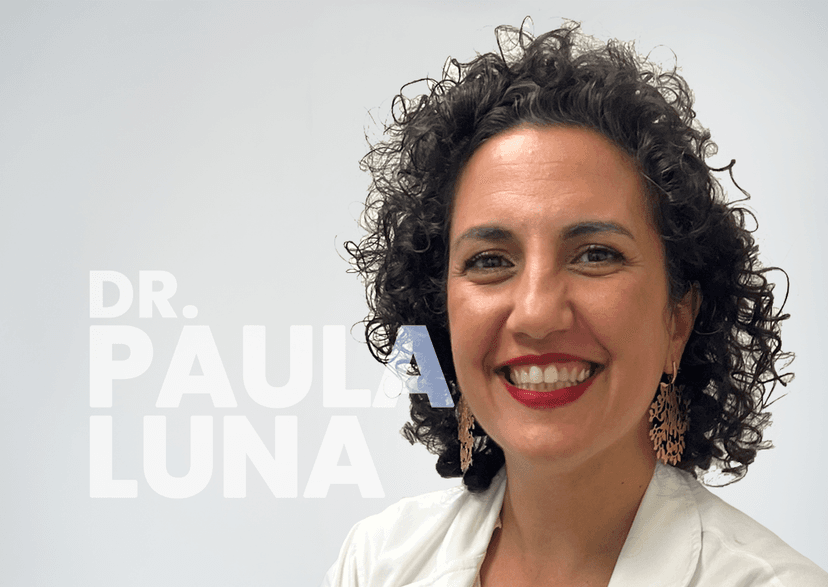
Digging Deeper: Reducing Non-Atopic Comorbidities and Multidimensional Disease Burden
In this video from the April 2025 WCPD symposium, Dr Paula Luna discusses the multidimensional disease burden in pediatric patients with AD and the data regarding how early intervention may lead to long-term disease control and a reduced risk of developing non-atopic comorbidities.
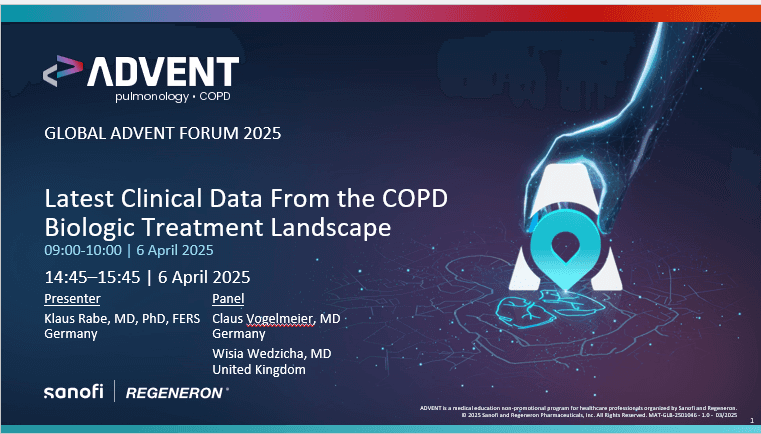
2025 ADVENT Forum | Latest Clinical Data from the COPD Biologic Treatment Landscape
Explore the dynamic advancements in COPD biologic therapies. Prof. Klaus Rabe, MD, Prof. Claus Vogelmeier, MD, and Prof. Wisia Wedzicha, MD, present and analyze the latest clinical data, offering key insights into current and emerging therapeutic strategies for managing COPD.
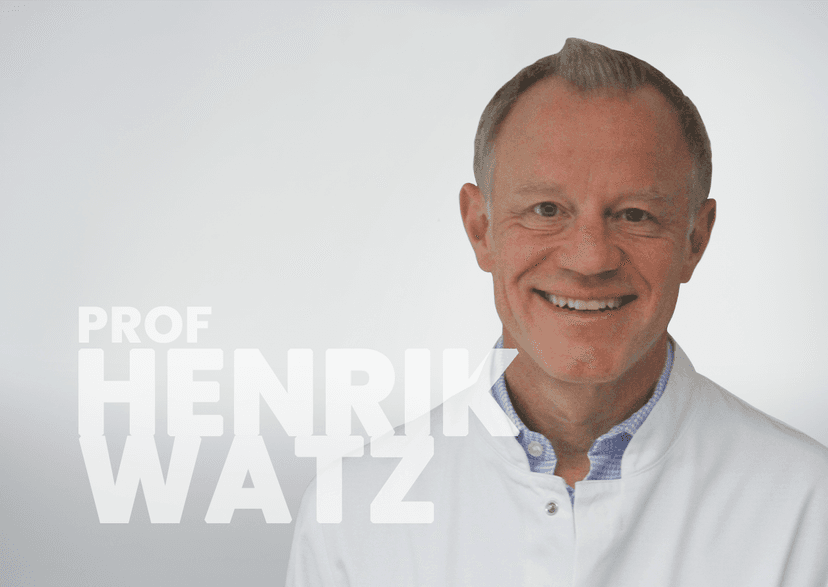
ERS 2024 | Living With COPD: Linking Inflammation with Patient Burden
Professor Henrik Watz explores the complex relationship between inflammation and COPD, highlighting its impact on patients' health and overall quality of life.

Type 2 Inflammation and Sinonasal Barrier Dysfunction in CRSwNP
Explore how type 2 inflammation drives sinonasal barrier dysfunction in chronic rhinosinusitis with nasal polyps (CRSwNP) with this video on the cellular mechanisms behind hallmark symptoms — including nasal congestion and loss of smell.

Spotlight on Type 2 Inflammation in the Upper and Lower Airways
In this video soundbite from the EAACI 2025 symposium, Dr. Zuzana Diamant explains pathophysiological mechanisms underlying asthma and CRSwNP, and how type 2 inflammatory cytokines drive airway remodelling in patients with severe asthma. Additionally, patients with co-existing asthma and CRSwNP have a higher type 2 inflammatory burden than patients with asthma alone.
ERS-ISIAN 2025 | Treatable Traits in CRSwNP
Join Prof. Sietze Reitsma for an insightful presentation that will delve into identifying and leveraging key characteristics to optimize patient management and treatment outcomes.

ERS-ISIAN 2025 | Type 2 Inflammation: Links with Severe/Uncontrolled CRSwNP
Prof. Vibeke Backer provides an insightful presentation on the association of type 2 inflammation and the pathogenesis and management of severe and uncontrolled CRSwNP.

ERS-ISIAN 2025 | Disease Control in CRSwNP
Unpack the keys to successful disease control in CRSwNP alongside expert Prof. Vibeke Backer. Learn how to navigate treatment pathways for improved patient quality of life.
