8 search results for: shared decision-making

Master Clinician Video | Empowering Our Patients: Patient-Centered Practice and Follow-Up in the Clinic (Chapter 4)
This chapter focuses on the importance of shared decision-making and regular, long-term monitoring of histology and endoscopy, not just symptoms.
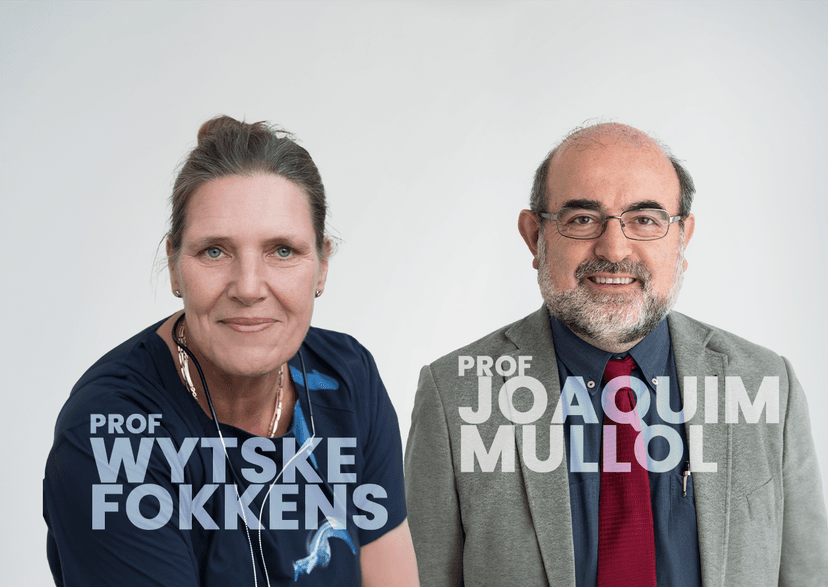
Partnering With Patients for Clinical Decision-Making in CRSwNP
Profs. Wytske Fokkens and Joaquim Mullol investigate the importance of partnering with patients with CRSwNP in clinical decision-making.

Bridging the Gap in EoE: Innovative Strategies for Seamless Transition of Care
Join leading experts in EoE, Thomas Greuter, MD, Edoardo Vincenzo Savarino, MD, PhD, and Carla Giordano, MD, PhD, as they use a case-based approach to explore the impact of chronic type 2 inflammation in EoE and outline strategies for optimizing transition of care and monitoring disease progression. They review the latest clinical evidence on therapeutic management and share insights from their own practice to support shared decision-making in the long-term care of EoE.

IFOS 2023 | Type 2 Inflammation and Clinically Relevant Improvements in CRSwNP
Dr. Stella Lee and Profs. Peter Hellings and Wytske Fokkens discuss type 2 inflammation, partnering with patients to improve outcomes, and real-world data on biologic effectiveness in CRSwNP.

Master Clinician Video | The Moment of Impact: EoE in the Emergency Department (Chapter 1)
This chapter highlights how a food bolus impaction may be the initial manifestation of a patient with EoE masked by adaptive eating behavior.

Low Disease Activity and Disease Stability: Setting New Goals for COPD Care
This infographic explores the emerging concepts of disease activity, disease stability, and disease control in COPD.

Master Clinician Video | Advanced Clinical Practice in EoE (Full)
Learn how a food bolus impaction event can help identify a patient with EoE and the importance of multiple disease domains in assessing EoE.
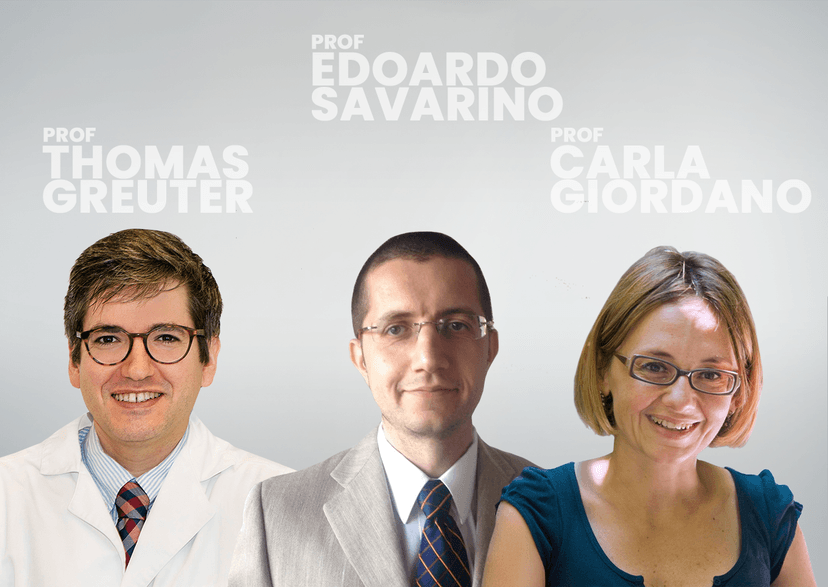
UEG 2025 | Bridging the Gap in EoE: Strategies for Seamless Transition of Care
Profs. Greuter, Savarino, and Giordano discuss multidimensional EoE assessment, tailoring long-term care to patient needs, and recent clinical data.
