148 search results for: Pathophysiology

ADVENT On-Air Podcast: The Multifaceted Patient Burden and Drivers of Disease in Prurigo Nodularis
In this episode, Dr. Sarina Elmariah and Dr. Brian Kim explore prurigo nodularis (PN), with a focus on severe itch, fibrotic skin lesions, and their impact on patients’ quality of life. They discuss PN epidemiology, common comorbidities, and the challenges of managing multimorbid patients, while breaking down the neuroimmune mechanisms, highlighting the role of type 2 cytokines in itch and lesion development.

The Shared Path: Type 2 Inflammation As a Driver of Chronic Itch
Professor Matthias Augustin highlights the role of type 2 inflammation in chronic itch across distinct pruritic skin diseases and the cumulative burden of chronic itch and skin lesions in PN.

Which Biomarkers of AD Might Be Robust Enough to Be Evaluated as a Measure of Disease Modification?
In this soundbite video from the April 2025 ADVENT Forum in Lisbon, Portugal, Prof. Oscar Palomares reviews the cellular and molecular pathways underlying atopic dermatitis and considers which biomarkers may one day serve as robust measures of disease modification, despite no validated options currently being available.

Type 2 Cytokines Have Multiple Critical Roles in BP That Contribute to Inflammation and Itch
In this soundbite video from the April 2025 ADVENT Forum in Lisbon, Portugal, Dr. Eric Simpson outlines why early, targeted control of type 2 inflammation may modify the course of atopic dermatitis by addressing upstream drivers of barrier dysfunction, dysbiosis, and itch.
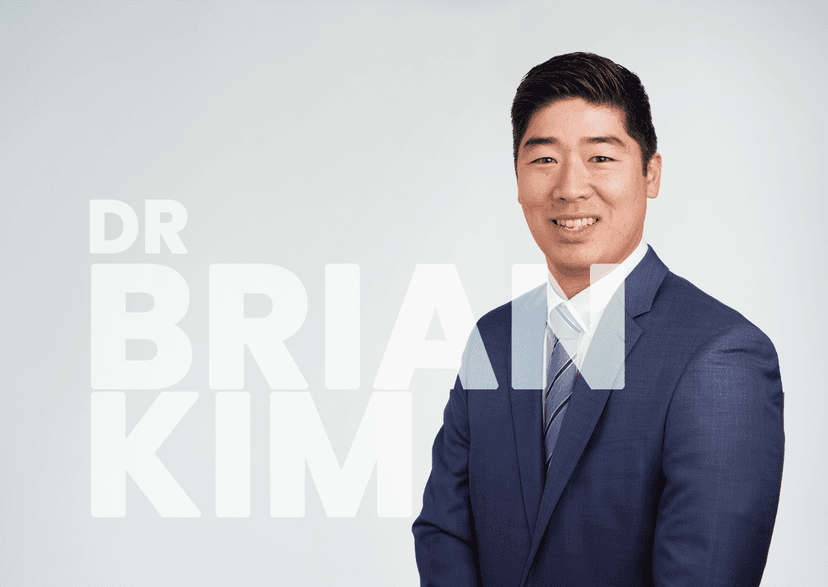
Itch in Prurigo Nodularis
In this soundbite video from the April 2025 ADVENT Forum in Lisbon, Portugal, Dr Brian Kim discuss the burdensome itch in prurigo nodularis, the multifactorial etiology of the disease, and the multiple pathological factors that contribute to chronic itch and skin inflammation in PN.

Expert Interview: Featuring Dr Shawn Kwatra on PN itch and impact on patients
Join Dr Kwatra as he dives deeper into the mechanism of lesion formation in Prurigo Nodularis and the impact the development of these skin lesions have on patient life.

Type 2 Inflammation Contributes to Itch and Fibrois in PN
Join Dr. Kwatra outlining the micro itch cycle involving type 2 cell polarization and cytokines that directly affect fibroblasts to cause more immune dysregulation in PN.

Under the Itchy Surface: The Insidious, Cumulative Burden of Type 2 Inflammation in AD
In this video from the March 2025 ADVENT symposium in Orlando, Florida, Dr. Eric Simpson discusses the systemic nature of atopic dermatitis (AD) and how the disease burden extends beyond the skin. Through the lens of cumulative life course impairment, Dr. Simpson goes on to explore how persistent type 2 inflammation in AD may drive both atopic and nonatopic comorbidities, emphasizing the potential importance of early and effective therapeutic intervention to alter disease progression

How Can FeNO Measurement Improve Severe Asthma Management?
Join Dr. Miguel Lanz as he explains the clinical utility of FeNO as a biomarker of severe asthma.
Why Is It Important to Assess Lung Function in Pediatric Asthma?
Learn about FEV1pp and the downstream effects of lung function decline in children with severe asthma.

World Anosmia Awareness Day
Explore our educational resources about loss of smell and the role of type 2 inflammation in CRSwNP, featuring expert insights from Profs. Wytske Fokkens and Joaquim Mullol.
The Burden of a Lifetime: Can Disease Modification Rewrite the Narrative of Atopic Dermatitis?
Join Professors Jean-David Bouaziz, Amy Paller, and Alan Irvine for a dynamic presentation on the multifaceted burden of atopic dermatitis, the evolving concept of disease modification, and how targeted systemic therapies may help improve long-term patient outcomes.
