82 search results for: expert insights
Why targeting Type 2 Inflammation is important in the treatment of skin diseases like AD, PN and CSU
Dr. Palomares discusses how type 2 inflammation, an aberrant immune response, underlies skin diseases like atopic dermatitis, prurigo nodularis, and chronic spontaneous urticaria, linking to their clinical symptoms.
Coexisting Type 2 Inflammatory Diseases Can Add to the Patient Overall Disease Burden
In this soundbite video from the April 2025 ADVENT Forum in Lisbon, Portugal, Prof. Oscar Palomares highlights how patients with type 2 inflammatory diseases often experience multimorbidities, with overlapping symptoms that amplify their overall disease burden and impact quality of life.
What role does IL-4 and IL-13 have in driving Type 2 inflammatory skin disease (AD, PN, CSU)?
Dr. Oscar Palomares explains that IL-4 and IL-13 are crucial cytokines in type 2 inflammation, playing both unique and overlapping roles, including T cell expansion and contributing to clinical symptoms in chronic diseases.
ADVENT On Air | Early Intervention and Disease Modification in Atopic Dermatitis
Prof. Thomas Bieber explores early intervention and disease modification in atopic dermatitis.

Compounded Burden of Co-existing Type 2 Airway Diseases
In this video soundbite from the EAACI 2025 symposium, Dr. Brian Lipworth discusses that co-existing type 2 inflammatory diseases are common in patients with CRSwNP & increasing severity of asthma is associated with higher severity of CRS and prevalence of nasal polyps. Additionally, he explains that patient burden is substantially greater when asthma and CRSwNP are co-existing.
CRSwNP at Center Stage: Impact of Biologics in Patients with Co-existing Type 2 Asthma
In this video soundbite from the EAACI 2025 symposium, Dr. Philippe Gevaert explains how biologic options for uncontrolled CRSwNP are increasing, and phase 3 studies of approved biologics show improved outcomes and decreased SCS use/surgery in patients with CRSwNP. Additionally, he explains how biologics targeting type 2 inflammatory pathophysiology potentially improve outcomes for eligible patients with co-existing CRSwNP and asthma.
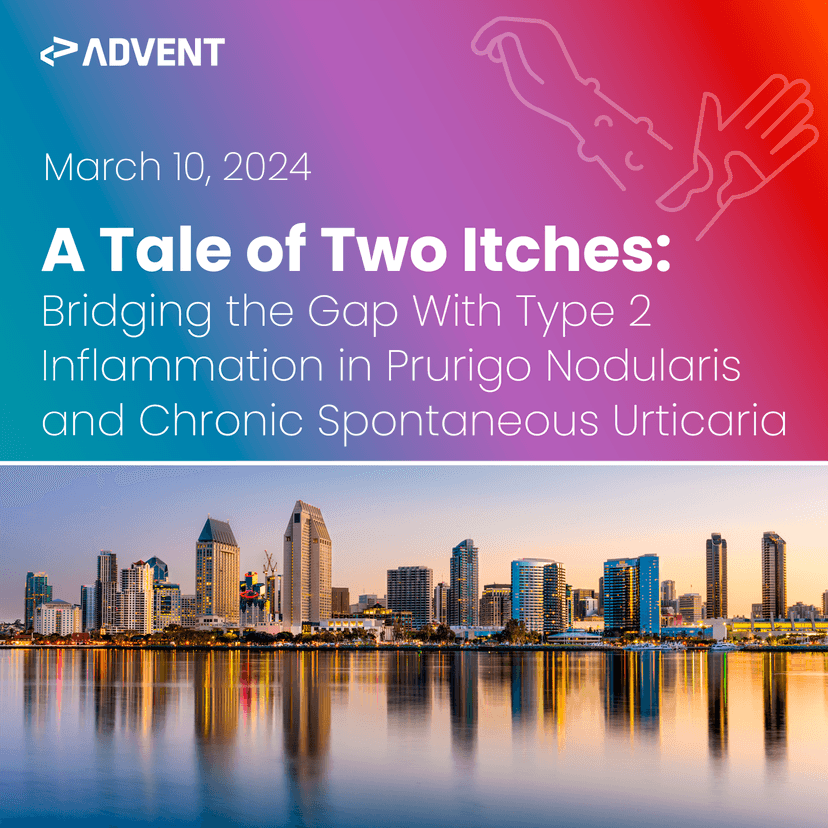
A Tale of Two Itches: Bridging the Gap With Type 2 Inflammation in PN and CSU
Join Drs. Elmariah, Kim, and Metz as they explore the latest research on neuro-immune mechanisms driving chronic itch and inflammation in PN and CSU.
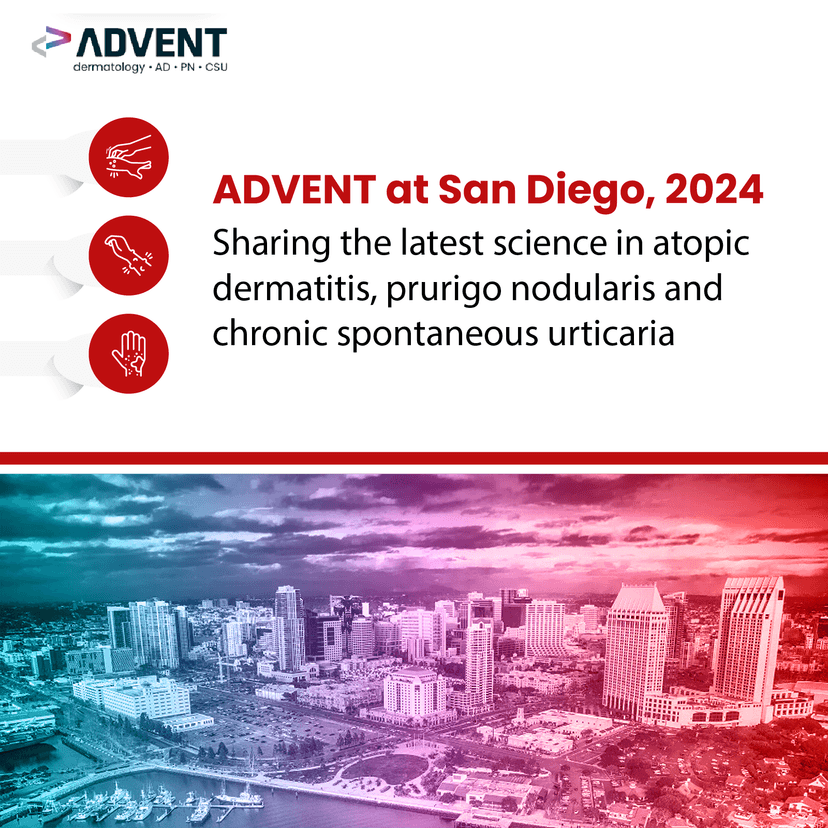
ADVENT at San Diego, 2024
Two educational symposia at San Diego, 2024, explore the role of type 2 inflammation and the related manifestations in atopic dermatitis, prurigo nodularis, and chronic spontaneous urticaria.

Type 2 Inflammation Contributes to Itch and Fibrois in PN
Join Dr. Kwatra outlining the micro itch cycle involving type 2 cell polarization and cytokines that directly affect fibroblasts to cause more immune dysregulation in PN.

Spotlight on Type 2 Inflammation in the Upper and Lower Airways
In this video soundbite from the EAACI 2025 symposium, Dr. Zuzana Diamant explains pathophysiological mechanisms underlying asthma and CRSwNP, and how type 2 inflammatory cytokines drive airway remodelling in patients with severe asthma. Additionally, patients with co-existing asthma and CRSwNP have a higher type 2 inflammatory burden than patients with asthma alone.
