44 search results for: mechanism of disease

Coexisting Type 2 Inflammatory Diseases Can Add to the Patient Overall Disease Burden
In this soundbite video from the April 2025 ADVENT Forum in Lisbon, Portugal, Prof. Oscar Palomares highlights how patients with type 2 inflammatory diseases often experience multimorbidities, with overlapping symptoms that amplify their overall disease burden and impact quality of life.

Which Biomarkers of AD Might Be Robust Enough to Be Evaluated as a Measure of Disease Modification?
In this soundbite video from the April 2025 ADVENT Forum in Lisbon, Portugal, Prof. Oscar Palomares reviews the cellular and molecular pathways underlying atopic dermatitis and considers which biomarkers may one day serve as robust measures of disease modification, despite no validated options currently being available.

Shared and Distinct: The Role of Type 2 Inflammation in Skin Diseases
Dr Donna Culton walks through the pathophysiology of type 2 inflammation in inflammatory skin diseases, using bullous pemphigoid as an example. Drs Eichenfield, Elmariah, and Hawkes join to discuss the role of type 2 inflammation across atopic dermatitis, prurigo nodularis, and chronic spontaneous urticaria, respectively.
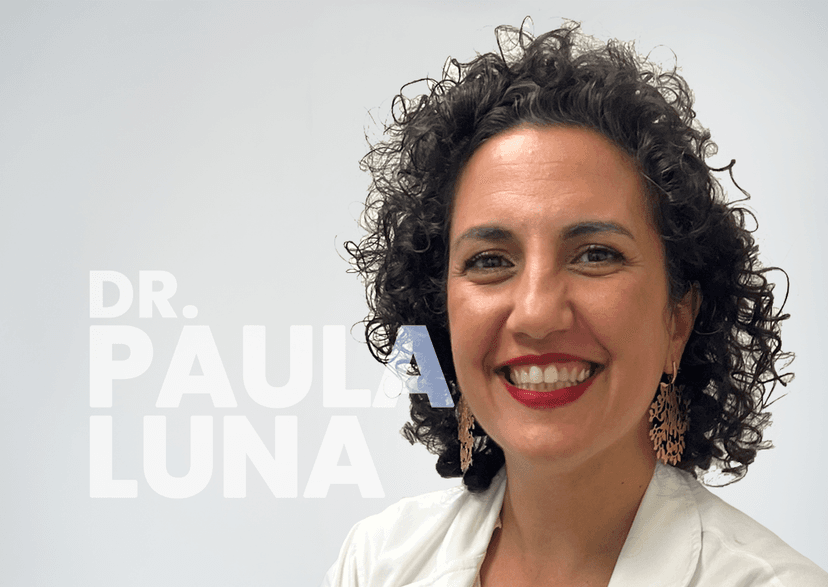
Digging Deeper: Reducing Non-Atopic Comorbidities and Multidimensional Disease Burden
In this video from the April 2025 WCPD symposium, Dr Paula Luna discusses the multidimensional disease burden in pediatric patients with AD and the data regarding how early intervention may lead to long-term disease control and a reduced risk of developing non-atopic comorbidities.

How Biologic Therapy May Lead to Disease Modification in Infants and Children With Atopic Dermatitis
This full video presentation of the April 2025 WCPD symposium features Dr Amy Paller, Dr Paula Luna, and Dr Eulàlia Baselga. The faculty present the latest data on the possibility of achieving disease modification in infants and children with atopic dermatitis.

Both Clinical and Subclinical Disease Control Are Important to Achieve Disease Modification in AD
In this soundbite video from the April 2025 ADVENT Forum in Lisbon, Portugal, Dr. Eric Simpson explains how both clinical and subclinical disease control are critical for achieving true disease modification in atopic dermatitis, emphasizing the role of biomarkers in predicting long-term outcomes and guiding treatment decisions.

How Does Type 2 Inflammation Manifest in Chronic Diseases Across Different Organs?
In this soundbite video from the April 2025 ADVENT Forum in Lisbon, Portugal, Prof Oscar Palomares discusses how type 2 inflammation plays a critical role in a broad range of diseases across different organ systems.
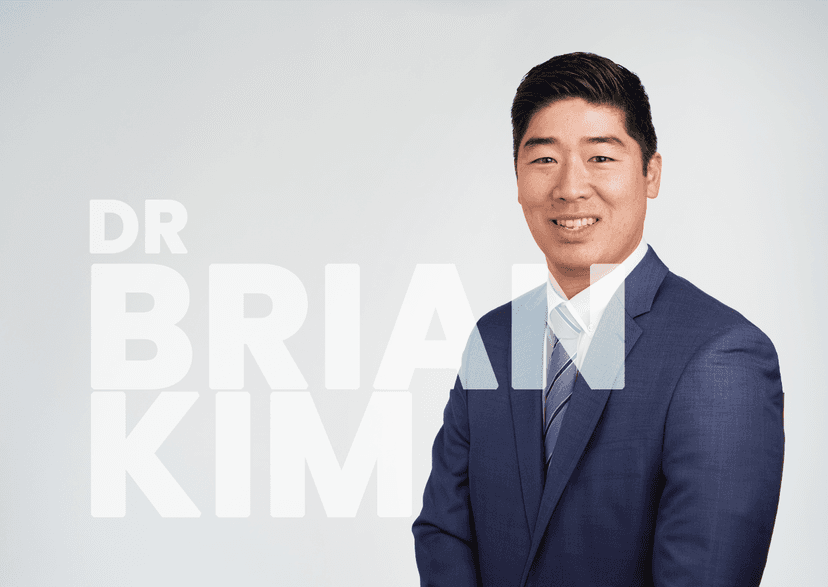
In Chronic Pruritic Skin Diseases, the Neuroimmune Axis Involves Dynamic Interactions Between Type 2 Inflammation and Sensory Nerves
In this soundbite video from the April 2025 ADVENT Forum in Lisbon, Portugal, Dr. Brian Kim describes the dynamic neuroimmune interactions in chronic pruritic skin diseases, emphasizing how type 2 cytokines and sensory nerves actively influence both itch perception and tissue inflammation.

Expert Interview: Featuring Dr Shawn Kwatra on PN itch and impact on patients
Join Dr Kwatra as he dives deeper into the mechanism of lesion formation in Prurigo Nodularis and the impact the development of these skin lesions have on patient life.

Under the Itchy Surface: The Insidious, Cumulative Burden of Type 2 Inflammation in AD
In this video from the March 2025 ADVENT symposium in Orlando, Florida, Dr. Eric Simpson discusses the systemic nature of atopic dermatitis (AD) and how the disease burden extends beyond the skin. Through the lens of cumulative life course impairment, Dr. Simpson goes on to explore how persistent type 2 inflammation in AD may drive both atopic and nonatopic comorbidities, emphasizing the potential importance of early and effective therapeutic intervention to alter disease progression

Spotlight on Type 2 Inflammation in the Upper and Lower Airways
In this video soundbite from the EAACI 2025 symposium, Dr. Zuzana Diamant explains pathophysiological mechanisms underlying asthma and CRSwNP, and how type 2 inflammatory cytokines drive airway remodelling in patients with severe asthma. Additionally, patients with co-existing asthma and CRSwNP have a higher type 2 inflammatory burden than patients with asthma alone.
ADVENT On Air | Expert Discussions in Dermatology
Listen to the latest updates in type 2 inflammatory science and associated skin diseases, brought to you by leading dermatology experts in the field. ADVENT On Air podcasts feature scientific conversations that explore new research into the pathophysiology, clinical features, and disease burden for a range of dermatological diseases linked to type 2 inflammation, including atopic dermatitis (AD) and prurigo nodularis (PN). Hear new insights revealed through expert-led conversations below or in your preferred podcast app.