59 search results for: expert insights
The Benefits of Early Intervention in AD: More Than Skin Deep
Many AD treatment goals focus on clinical manifestations, so that if a patient is free of lesions, their disease is considered well controlled. However, the inflammatory process underlying AD reaches far beyond the skin, affecting patients in unique ways at different stages of their lives. Education on the importance of treating AD beyond the skin and altering the treatment approach to fit the individual patient will help improve clinical management and reduce long-term patient burden.

Hindered Growth in Children Aged <12 Years with Moderate-to-Severe AD and Potential Improvement with Dupilumab Treatment
In this soundbite video from the April 2025 ADVENT Forum in Lisbon, Portugal, Dr Amy Paller discusses how moderate-to-severe AD may hinder growth in pediatric patients and highlights data showing treatment with dupilumab may increase vertical growth in children of lower stature.

Can Therapy-Free Disease Control Be Achieved in Atopic Dermatitis?
In this soundbite video from the April 2025 ADVENT Forum in Lisbon, Portugal, Prof. Amy Paller reviews a Japanese study showing that early proactive treatment of infant atopic dermatitis with topical corticosteroids reduced the incidence of food allergy but was also associated with decreased gains in height and weight.
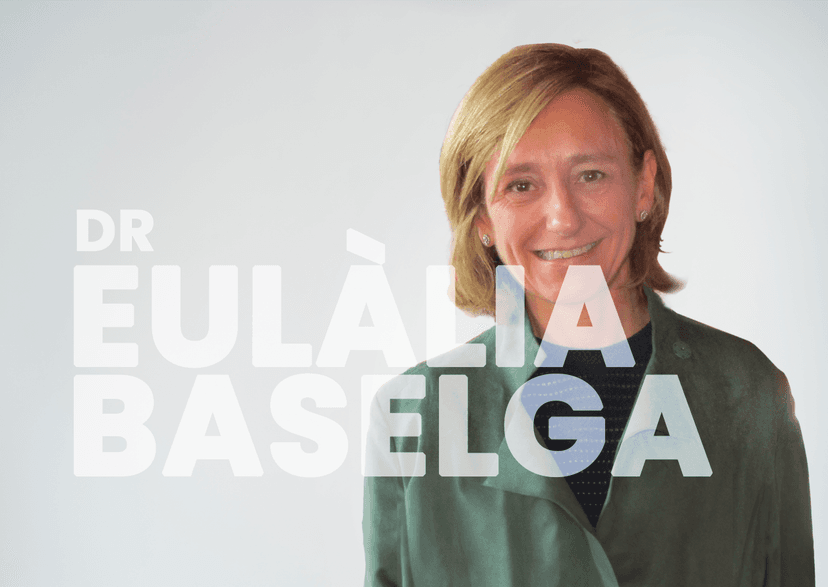
Charting the Future: Preventing the Atopic March
In this clip from the April WCPD 2025 symposium, Dr Eulàlia Baselga discusses data identifying atopic dermatitis as the first diagnosed atopic disease and the start of the atopic march.
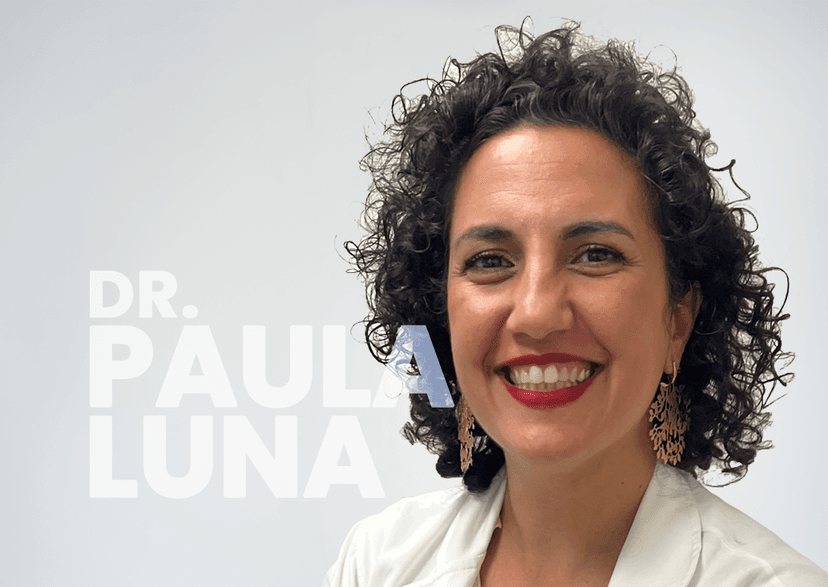
Digging Deeper: Reducing Non-Atopic Comorbidities and Multidimensional Disease Burden
In this clip from the April WCPD 2025 symposium, Dr Paula Luna discusses how moderate-to-severe AD may hinder growth in pediatric patients.
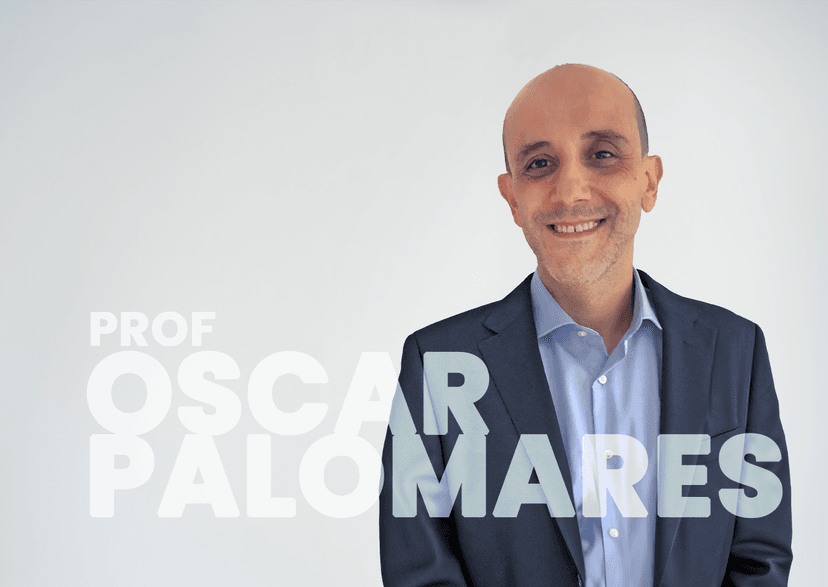
IL-4 Is the Primary Cytokine That Drives Th2 Cell Polarization and Amplifies Type 2 Inflammation
In this soundbite video from the April 2025 ADVENT Forum in Lisbon, Portugal, Prof Oscar Palomares describes how IL-4 is the key cytokine involved in the initiation and perpetuation of Th2 cell responses and type 2 inflammation.
How Does Type 2 Inflammation Manifest in Chronic Diseases Across Different Organs?
In this soundbite video from the April 2025 ADVENT Forum in Lisbon, Portugal, Prof Oscar Palomares discusses how type 2 inflammation plays a critical role in a broad range of diseases across different organ systems.
Type 2 Inflammatory Diseases Can Negatively Impact Patients and Their Caregivers
In this soundbite video from the April 2025 ADVENT Forum in Lisbon, Portugal, Prof Oscar Palomares highlights the substantial impact of type 2 inflammatory diseases on the quality of life of patients and their caregivers.
Itch in Chronic Inflammatory Skin Diseases: Histaminergic and Nonhistaminergic Mechanisms and Role of IL-4 as a Central Orchestrator in Promoting Neuronal Sensitization
In this soundbite video from the April 2025 ADVENT Forum in Lisbon, Portugal, Dr. Brian Kim explores the histaminergic and nonhistaminergic mechanisms of itch, highlighting how type 2 cytokines like IL-4 serve as central orchestrators of neuronal sensitization and immune–nervous system cross-talk.
Type 2 Inflammatory Disease: What Are the Mechanisms that Contribute to the Development of Other Atopic Comorbidities?
In this soundbite video from the April 2025 ADVENT Forum in Lisbon, Portugal, Prof. Oscar Palomares explains how type 2 inflammation and barrier dysfunction contribute to the development of atopic comorbidities and increased susceptibility to infections.
In Chronic Pruritic Skin Diseases, the Neuroimmune Axis Involves Dynamic Interactions Between Type 2 Inflammation and Sensory Nerves
In this soundbite video from the April 2025 ADVENT Forum in Lisbon, Portugal, Dr. Brian Kim describes the dynamic neuroimmune interactions in chronic pruritic skin diseases, emphasizing how type 2 cytokines and sensory nerves actively influence both itch perception and tissue inflammation.
Underlying Type 2 Inflammation Drives a Chronic Itch-Scratch Cycle in Atopic Dermatitis
In this soundbite video from the April 2025 ADVENT Forum in Lisbon, Portugal, Dr. Brian Kim explains how underlying type 2 inflammation sustains the chronic itch-scratch cycle in atopic dermatitis, highlighting the interplay of barrier dysfunction, cytokine signaling, and neuronal activation.
