13 search results for: barrier dysfunction

On the Surface: Restoring the Skin Barrier in Patients With AD
In this video from the April 2025 WCPD symposium, Dr Amy Paller discusses the pathophysiology of skin barrier dysfunction in AD and how regulating IL-4 and IL-13 signaling may lead to restoration of the skin barrier. Dr Paller goes on to explore how reducing certain biomarkers, such as CCL17 (TARC), may reduce inflammation that contributes to AD severity in pediatric patients.

Role of Type 2 Inflammation in Skin Barrier Disruption and Itch
In this highlight video from the October 2024 ADVENT symposium at EAPS in Vienna, Austria, Dr Christine Bangert discusses how type 2 inflammation contributes to epidermal barrier dysfunction and chronic itch in AD

Exploring the Potential Disease-Modifying Approaches in AD
Explore the concept of disease modification in atopic dermatitis through this interactive infographic, which highlights potential considerations such as optimal sustained disease control, subclinical inflammation, the pathophysiology of AD, and atopic/non-atopic comorbidities.
Pathways to Disease: Inflammation in Chronic Obstructive Pulmonary Disease Video
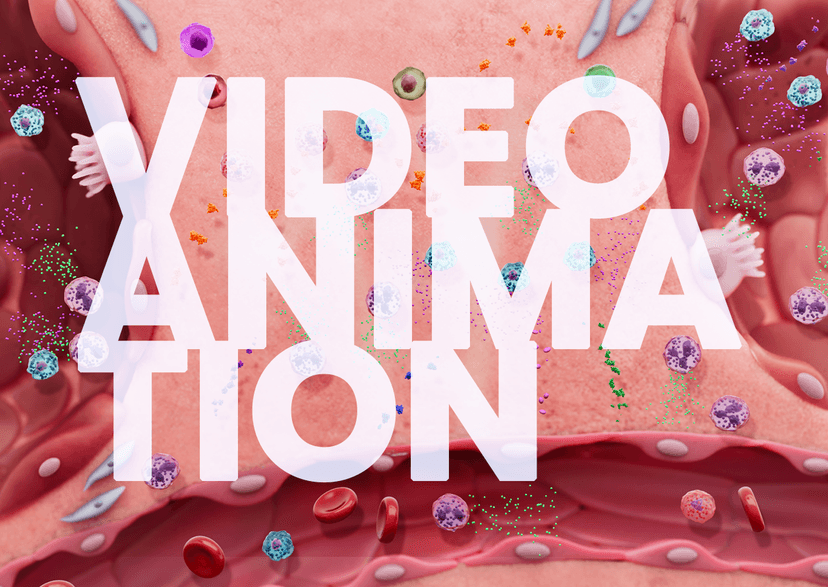
Learn about the significant burden that patients with COPD experience and the role of inflammatory mechanisms in this chronic, often progressive disease.

Type 2 Inflammation Is a Driving Factor for Atopic Dermatitis and Related Comorbidities
Dr. Lawrence Eichenfield describes the pathophysiology of atopic dermatitis and how type 2 inflammation may sensitize patients to atopic comorbidities.

Diving Below the Surface of AD: The Role of Type 2 Inflammation
This video from the September 2024 ADVENT symposium at EADV’s Annual Meeting in Amsterdam, the Netherlands, features Dr. Stephan Weidinger discussing how local type 2 inflammation at the skin tissue level contributes to epidermal barrier dysfunction, dysbiosis, and neuroimmune dysfunction, leading to the clinical signs and symptoms of AD. Dr. Weidinger also reviews how systemic inflammation affects organ systems beyond the skin and can manifest as atopic and non-atopic comorbidities.

What Drives Chronic Itch and the Itch-Scratch Cycle in Atopic Dermatitis?
Watch this short video to learn how type 2 inflammation, skin barrier dysfunction, and neurosensitization contribute to chronic itch and the itch-scratch cycle in atopic dermatitis

Type 2 Inflammation Within Skin Tissue in AD
In this highlight video from the September 2024 ADVENT symposium at EADV’s Annual Meeting in Amsterdam, the Netherlands, Dr. Stephan Weidinger discusses how type 2 inflammation contributes to epidermal barrier dysfunction, perivascular infiltration and plasma protein leakage, and chronic itch in AD.

Type 2 Cytokines Have Multiple Critical Roles in BP That Contribute to Inflammation and Itch
In this soundbite video from the April 2025 ADVENT Forum in Lisbon, Portugal, Dr. Eric Simpson outlines why early, targeted control of type 2 inflammation may modify the course of atopic dermatitis by addressing upstream drivers of barrier dysfunction, dysbiosis, and itch.

Underlying Type 2 Inflammation Drives a Chronic Itch-Scratch Cycle in Atopic Dermatitis
In this soundbite video from the April 2025 ADVENT Forum in Lisbon, Portugal, Dr. Brian Kim explains how underlying type 2 inflammation sustains the chronic itch-scratch cycle in atopic dermatitis, highlighting the interplay of barrier dysfunction, cytokine signaling, and neuronal activation.
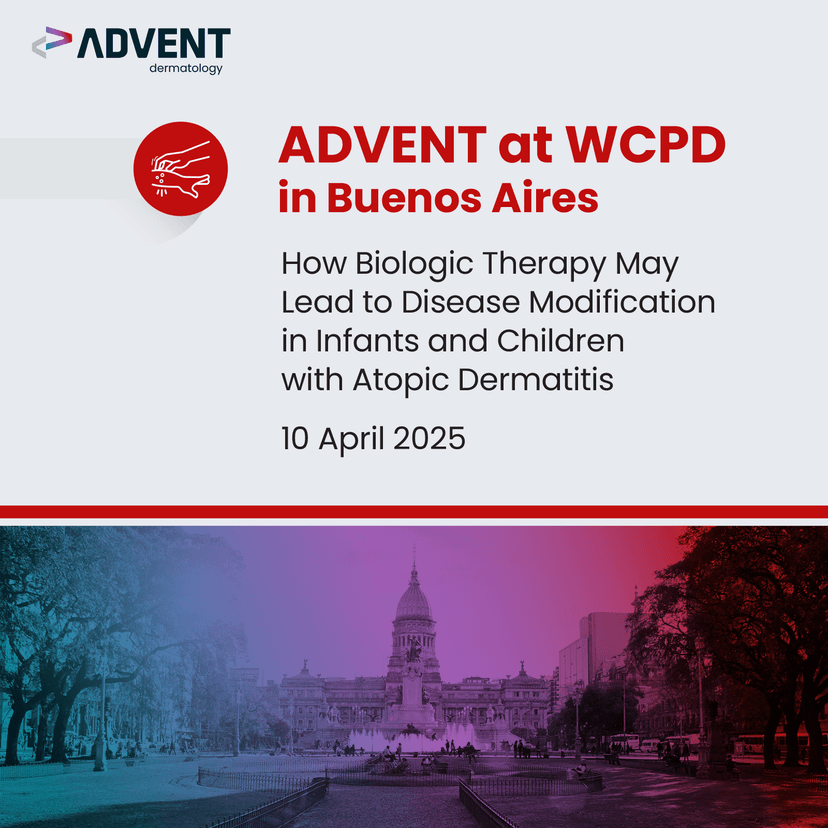
How Biologic Therapy May Lead to Disease Modification in Infants and Children with Atopic Dermatitis
The underlying pathophysiology of atopic dermatitis (AD) is driven by dysregulation of type 2 immunity that contributes to skin barrier dysfunction. AD typically develops very early in life and children with AD often develop other atopic conditions such as food allergy, asthma, and allergic rhinitis in a progression called the atopic march. Early treatment may help reduce the atopic march and other comorbidities to lessen the lifetime burden created by these diseases. There may even be a window of opportunity for disease modification.

Type 2 Inflammatory Disease: What Are the Mechanisms that Contribute to the Development of Other Atopic Comorbidities?
In this soundbite video from the April 2025 ADVENT Forum in Lisbon, Portugal, Prof. Oscar Palomares explains how type 2 inflammation and barrier dysfunction contribute to the development of atopic comorbidities and increased susceptibility to infections.
