13 search results for: comorbidities
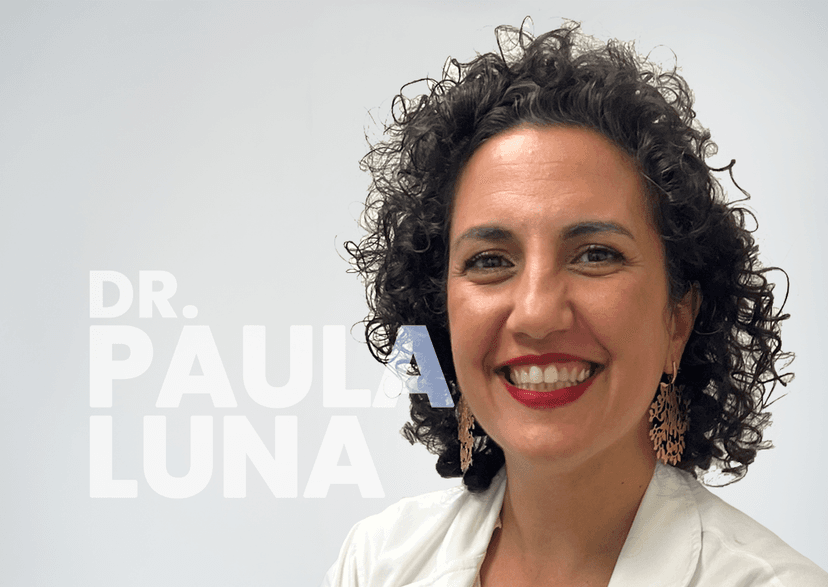
Digging Deeper: Reducing Non-Atopic Comorbidities and Multidimensional Disease Burden
In this video from the April 2025 WCPD symposium, Dr Paula Luna discusses the multidimensional disease burden in pediatric patients with AD and the data regarding how early intervention may lead to long-term disease control and a reduced risk of developing non-atopic comorbidities.

Prevalence of Food Allergy and Other Atopic Comorbidities in Children With AD
In this highlight video from the October 2024 ADVENT symposium at EAPS in Vienna, Austria, Dr Mark Boguniewicz discusses the prevalence of food sensitization and food allergy in pediatric patients with AD, clarifying the difference between the two. Dr Boguniewicz also discusses the prevalence of other atopic comorbidities in children with AD

Bullous Pemphigoid (BP): Don't Miss the Diagnosis
This static infographic covers the clinical presentations, diagnostic challenges, and disease burden of bullous pemphigoid (BP), a chronic relapsing autoimmune skin disease. Review the steps of diagnosis, which include clinical assessment and laboratory work. Explore comorbidities associated with BP and how they impact patient quality of life.

The Patient's Path: Unraveling the Diagnosis and Burden of Bullous Pemphigoid
Follow Janet, a hypothetical patient, as she navigates the difficult journey of bullous pemphigoid, starting with symptom onset to diagnosis.

Emerging Perspectives on the Disease Burden and Management of Children With Atopic Dermatitis
This video of the October 2024 ADVENT symposium at EAPS in Vienna, Austria features Drs Christine Bangert, Mark Boguniewicz, and Perla Lansang as they discuss the inflammatory processes driven by type 2 cytokines that lead to AD and atopic comorbidities, the multidimensional and cumulative disease burden associated with AD and its comorbidities, and the current and emerging treatment options for children with AD uncontrolled with topical therapy
The Benefits of Early Intervention in AD: More Than Skin Deep
Many AD treatment goals focus on clinical manifestations, so that if a patient is free of lesions, their disease is considered well controlled. However, the inflammatory process underlying AD reaches far beyond the skin, affecting patients in unique ways at different stages of their lives. Education on the importance of treating AD beyond the skin and altering the treatment approach to fit the individual patient will help improve clinical management and reduce long-term patient burden.
ADVENT at WCPD 2025
The ADVENT symposium at the 15th World Congress of Pediatric Dermatology (WCPD) will focus on discussions around disease modification in atopic dermatitis (AD) in three main topic areas: restoring the skin barrier, reducing non-atopic comorbidities, and stopping the atopic march in pediatric patients with AD aged 6 months to 11 years.

The Importance of Early Intervention and the Potential for Disease Modification in Patients With AD
This video from the September 2024 ADVENT symposium at EADV’s Annual Meeting in Amsterdam, the Netherlands, features Dr. Eric Simpson discussing the concept of disease modification and the benefits of early intervention when treating patients with AD. Dr. Simpson also reviews available data investigating the impacts of therapies for AD on the disease itself and on associated comorbidities.

Diving Below the Surface of AD: The Role of Type 2 Inflammation
This video from the September 2024 ADVENT symposium at EADV’s Annual Meeting in Amsterdam, the Netherlands, features Dr. Stephan Weidinger discussing how local type 2 inflammation at the skin tissue level contributes to epidermal barrier dysfunction, dysbiosis, and neuroimmune dysfunction, leading to the clinical signs and symptoms of AD. Dr. Weidinger also reviews how systemic inflammation affects organ systems beyond the skin and can manifest as atopic and non-atopic comorbidities.

Under the Itchy Surface: The Insidious, Cumulative Burden of Type 2 Inflammation in AD
In this video from the March 2025 ADVENT symposium in Orlando, Florida, Dr. Eric Simpson discusses the systemic nature of atopic dermatitis (AD) and how the disease burden extends beyond the skin. Through the lens of cumulative life course impairment, Dr. Simpson goes on to explore how persistent type 2 inflammation in AD may drive both atopic and nonatopic comorbidities, emphasizing the potential importance of early and effective therapeutic intervention to alter disease progression

Atopic Dermatitis in Children: Not Just a Skin Disease
In this video of the October 2024 ADVENT symposium at EAPS in Vienna, Austria, Dr Mark Boguniewicz discusses the multidimensional and cumulative disease burden of AD and its associated comorbidities in children. Dr Boguniewicz also highlights the burden experienced by caregivers of children with AD

Type 2 Inflammation and Its Role in Atopic Dermatitis
In this video of the October 2024 ADVENT symposium at EAPS in Vienna, Austria, Dr Christine Bangert reviews the epidemiology, clinical presentation, and differential diagnoses of AD in children, as well as the inflammatory processes driven by type 2 cytokines that lead to AD and its atopic comorbidities
