67 search results for: patient burden
ADVENT Forum 2025 On Demand page
Watch on-demand expert soundbites recorded at the April 2025 ADVENT Forum in Lisbon, Portugal, featuring dermatology and immunology perspectives on mechanisms and clinical practice. Topics range from disease mechanism to patient care and quality of life, spanning atopic dermatitis (AD), prurigo nodularis (PN), chronic spontaneous urticaria (CSU) and bullous pemphigoid (BP).
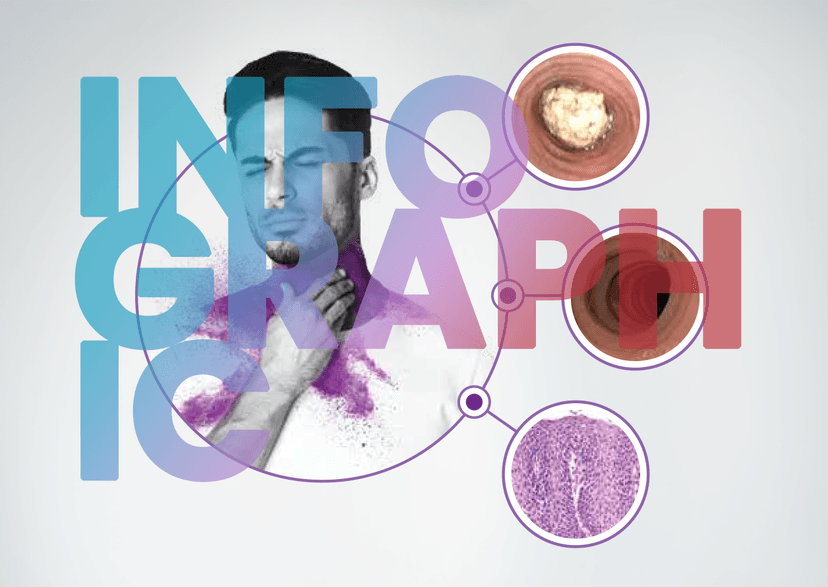
Importance of Assessing Key Disease Domains in EoE Infographic
Learn about the importance of assessing key disease domains in EoE by focusing on symptoms, QoL, endoscopy, and histology.

Managing the Risk of Fibrostenosis in EoE
Hear from Drs. Jason Lee, Kathryn Peterson, Seema Aceves, and Ikuo Hirano on disease progression and the importance of managing fibrostenotic risk in EoE.

Food Bolus Impaction: An Opportunity to Diagnose EoE
Dr. Evan Dellon highlights how resolution of food impaction can be leveraged as an opportunity to diagnose EoE.

Gap in Care Leads to Progression of Fibrosis in EoE
Dr. Evan Dellon discusses the clinical implications of gaps in medical care on the risk of fibrotic progression in EoE.

UEG 2025 | Understanding Type 2 Inflammation in EoE: A Case-Based Discussion
Profs. Greuter, Savarino, and Giordano discuss best practices for EoE identification, multidimensional EoE assessment, and transition of care.

EoE Pocket Guide
The digital EoE Pocket Guide is an at-your-fingertips resource on symptoms and adaptive behaviors, EREFS scoring, and histologic features in EoE.
