112 search results for: burden of disease
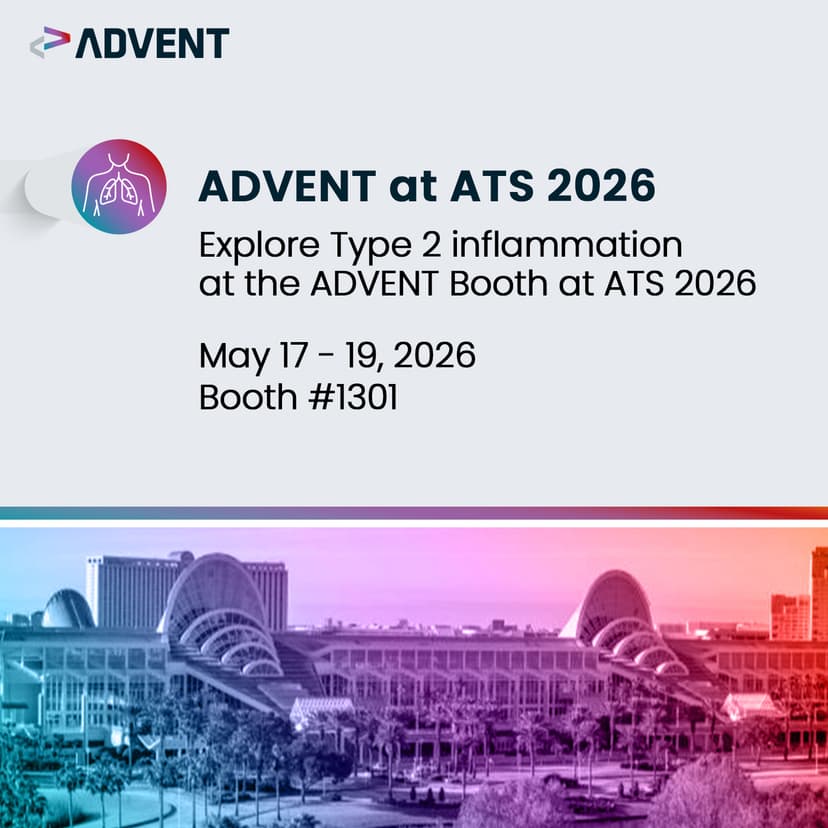
ADVENT at ATS 2026
At ATS 2026, the Sanofi & Regeneron ADVENT Booth brings together interactive experiences and educational resources to explore Type 2 inflammation as a key feature underlying both asthma and COPD.

Interplay of Barrier Dysfunction and Type 2 Inflammation in EoE
Learn from Prof. Seema Aceves about the interconnectivity of type 2 inflammation and barrier dysfunction in mediating EoE pathophysiology.
UEGW 2024 | WHY Is Long-Term Management of EoE Important?
Prof. Salvatore Oliva discusses the impact of chronic type 2 inflammation on EoE progression, highlighting the need for long-term management.
Identifying BP: How do symptoms of BP and their severity alter patient diagnosis?
Dr. Victoria Werth explains how diagnosing BP can pose many difficulties in patients due to the variation of symptoms and symptom severity. Dr. Werth also discusses what burden and challenges BP patients might expect as a result.
Eosinophilic Esophagitis (EoE) Pediatric Interactive Patient Case
Experience a pediatric patient's journey from infancy to adolescence with guideline-based learnings on EoE diagnosis, treatment, and long-term care.
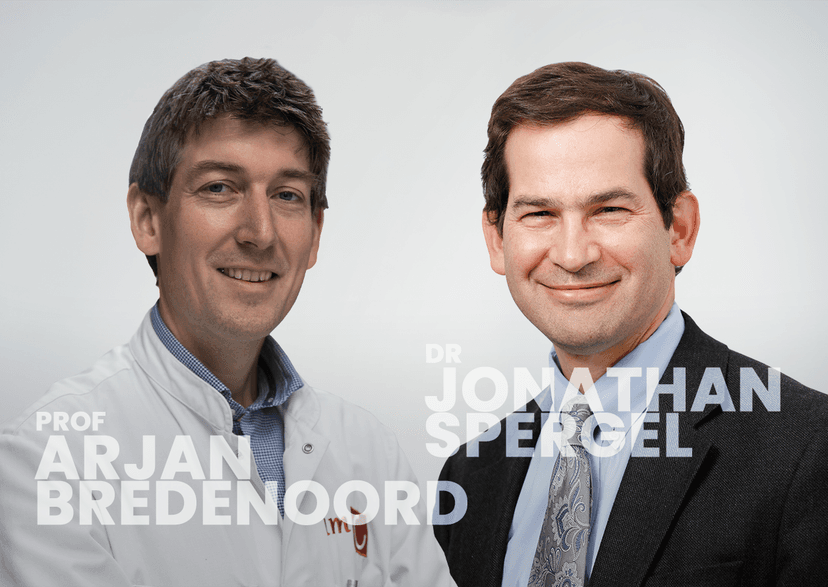
Complex EoE Pathophysiology Beyond Esophageal Eosinophilia
Dr. Jonathan Spergel and Prof. Arjan Bredenoord highlight the importance of different immune cells in type 2 inflammation in EoE.

How the Understanding of PN has Evolved?
Dr Kwatra poses the question: How do we assess disease modification in PN, and can treating early stop tissue damage and worsening of systemic diseases associated with PN?
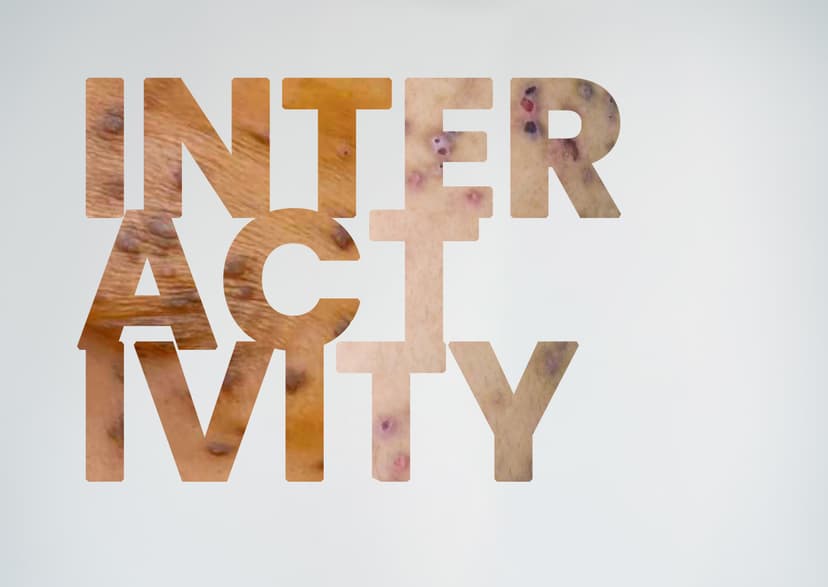
Skin Dyspigmentation In Prurigo Nodularis (PN)
This infographic illustrates the clinical manifestations, pathophysiology and impact on patients of skin dyspigmentation in Prurigo Nodularis.

Unmet Needs in Bullous Pemphigoid
Join Dr. Culton as she discusses the unmet treatment needs in bullous pemphigoid, and the importance of understanding pathophysiology in disease management.

More Than Eosinophils: A Closer Look at the Pathophysiology of EoE
Join Prof. Kathryn Peterson for an expert review on how different immune cells and inflammatory mediators contribute to the pathogenesis of EoE.
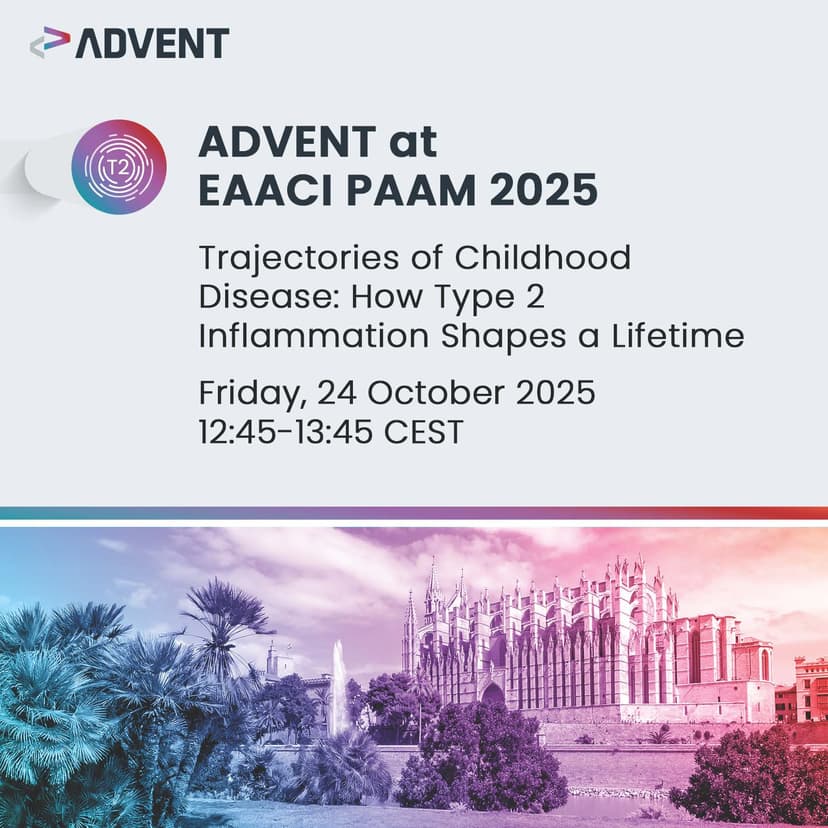
ADVENT at EAACI PAAM 2025
Join Sanofi and Regeneron for an educational symposium on type 2 inflammation processes underlying pediatric asthma, atopic dermatitis, and eosinophilic esophagitis.
What Went Wrong? How Dysregulated Type 2 Immunity Contributes to AD, PN, CSU, and BP
The March 2025 ADVENT symposium in Orlando, Florida brought together 4 dermatology experts to explore the evolving science of type 2 inflammation. Type 2 inflammation plays a central role in the pathophysiology of multiple dermatological diseases, driving chronic immune dysregulation that affects patients with atopic dermatitis (AD) prurigo nodularis (PN), chronic spontaneous urticaria (CSU) and bullous pemphigoid (BP). Understanding the mechanisms behind type 2 inflammation is key to advancing care and improving patient quality of life.
