51 search results for: symptoms

Interplay of Barrier Dysfunction and Type 2 Inflammation in EoE
Learn from Prof. Seema Aceves about the interconnectivity of type 2 inflammation and barrier dysfunction in mediating EoE pathophysiology.
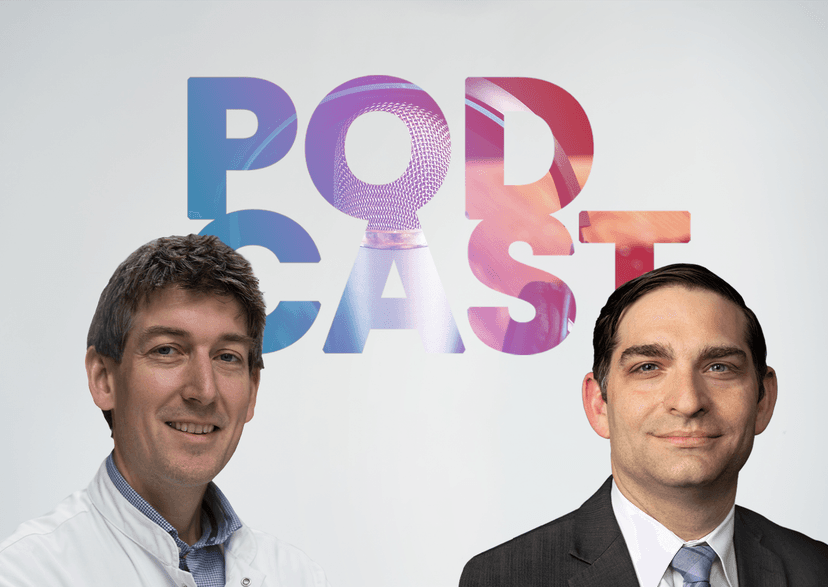
ADVENT On Air | More Than Just Difficulty Swallowing: EoE Burden and Diagnosis
Hear Dr. Wechsler and Prof. Bredenoord discuss the multifaceted burden of EoE and how to overcome challenges in identifying EoE in clinical practice.

Patient Burden in Eosinophilic Esophagitis
Drs. Kathryn Peterson and Ikuo Hirano and Profs. Ingrid Terreehorst and Arjan Bredenoord highlight the impact and burden of EoE on the quality of life of patients.

Going Beyond the Scope in Eosinophilic Esophagitis
This infographic explores distensibility in EoE, including assessment with EndoFLIP.

Complex EoE Pathophysiology Beyond Esophageal Eosinophilia
Dr. Jonathan Spergel and Prof. Arjan Bredenoord highlight the importance of different immune cells in type 2 inflammation in EoE.

Managing the Risk of Fibrostenosis in EoE
Hear from Drs. Jason Lee, Kathryn Peterson, Seema Aceves, and Ikuo Hirano on disease progression and the importance of managing fibrostenotic risk in EoE.

The Clinical Presentation of CSU is Heterogeneous
Dr Hawkes provides an overview of the distinctive characteristics of wheals and angioedema in clinical manifestation

Assessing EoE: Measuring Quality of Life in Patients With EoE
Join Dr. Nirmala Gonsalves as she reviews some of the tools to assess quality-of-life outcomes in patients with EoE.

Gap in Care Leads to Progression of Fibrosis in EoE
Dr. Evan Dellon discusses the clinical implications of gaps in medical care on the risk of fibrotic progression in EoE.

The Need for Maintenance Therapy in EoE
Hear Dr. Evan Dellon outline the benefits of maintenance therapy in EoE and the importance of an individualized treatment approach for each patient.

Importance of Assessing Multiple Disease Domains in EoE
Prof. Arjan Bredenoord and Dr. Evan Dellon emphasize the need to assess multiple disease domains to get the complete picture of patients’ EoE.
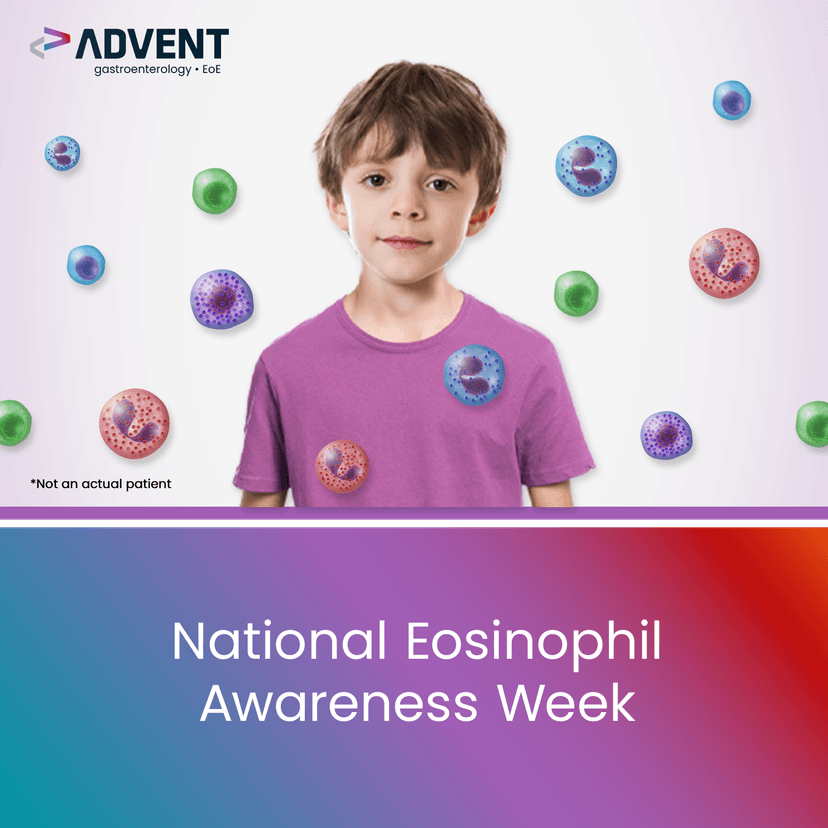
National Eosinophil Awareness Week 2024 | May 19-25
In recognition of National Eosinophil Awareness Week, ADVENT is providing medical education resources to increase awareness of eosinophilic esophagitis (EoE).
