21 search results for: coexisting diseases
ADVENT On Air | Be on the Lookout for EoE: The Importance of Early Diagnosis
Join Dr. Aceves and Ms. Ugras as they share their insights on how to identify potential patients with EoE and the importance of early diagnosis.
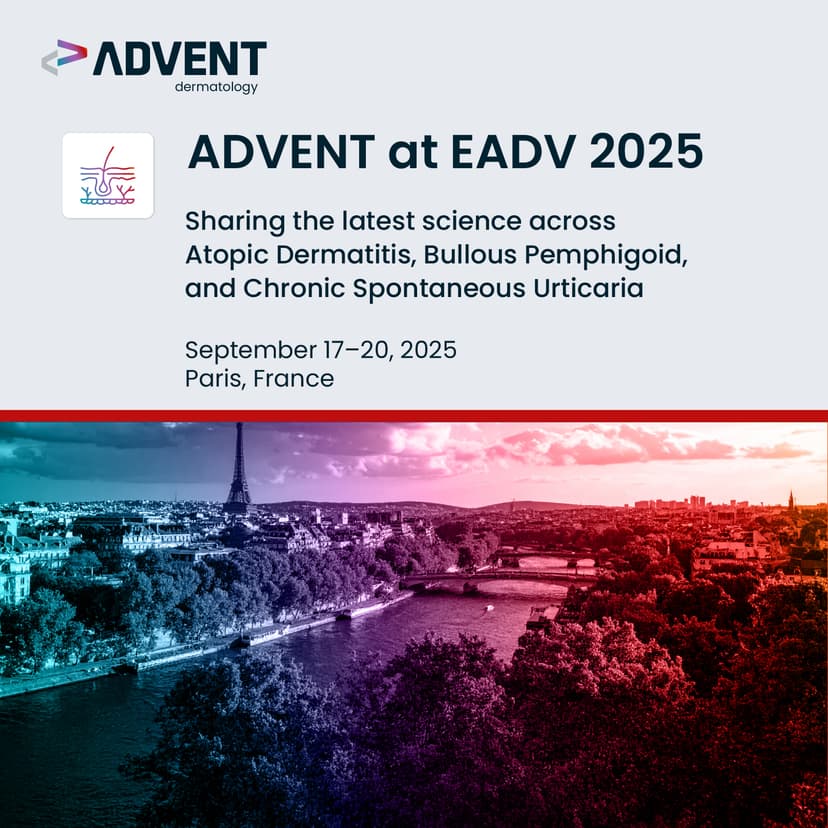
ADVENT at EADV 2025
Join leading dermatologists for educational symposia on atopic dermatitis, bullous pemphigoid, and chronic spontaneous urticaria at the EADV congress in Paris, France.

Master Clinician Video | Advanced Clinical Practice in EoE (Full)
Learn how a food bolus impaction event can help identify a patient with EoE and the importance of multiple disease domains in assessing EoE.
Charting the Future: Preventing the Atopic March
In this clip from the April WCPD 2025 symposium, Dr Eulàlia Baselga discusses data identifying atopic dermatitis as the first diagnosed atopic disease and the start of the atopic march.

Atopic Dermatitis in Children: Not Just a Skin Disease
In this video of the October 2024 ADVENT symposium at EAPS in Vienna, Austria, Dr Mark Boguniewicz discusses the multidimensional and cumulative disease burden of AD and its associated comorbidities in children. Dr Boguniewicz also highlights the burden experienced by caregivers of children with AD
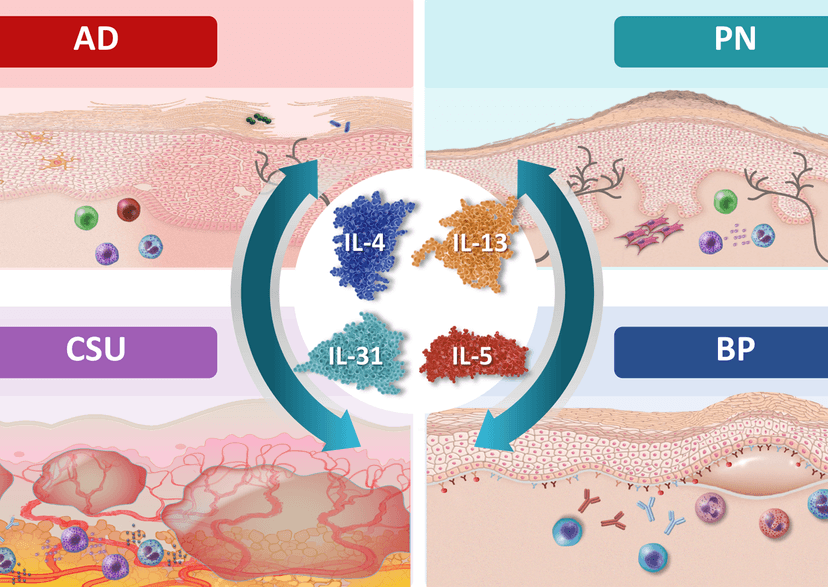
What Went Wrong? How Dysregulated Type 2 Immunity Contributes to AD, PN, CSU, and BP
This is the full presentation of the March 2025 ADVENT cross-dermatology symposium, hosted in Orlando, Florida, presenting the latest information around type 2 inflammation and its association with atopic dermatitis (AD), prurigo nodularis (PN), chronic spontaneous urticaria (CSU) and bullous pemphigoid (BP).

What Went Wrong? How Dysregulated Type 2 Immunity Contributes to AD, PN, CSU, and BP
This full video presentation of the March 2025 ADVENT cross-dermatology symposium, hosted in Orlando, Florida features Dr. Eric Simpson, Dr. Shawn Kwatra, Dr. Jason Hawkes and Dr. Victoria Werth. The faculty present the latest information around type 2 inflammation and its association with atopic dermatitis (AD), prurigo nodularis (PN), chronic spontaneous urticaria (CSU) and bullous pemphigoid (BP).

ADVENT On Air | Charting a New Course: The Frontier of Early Intervention and Disease Modification in AD
Join Drs. April Armstrong and Lisa Beck for a conversation around the long-term burden and effects of AD. They will discuss the underlying pathophysiology of AD and how early intervention and disease modification may impact disease course.
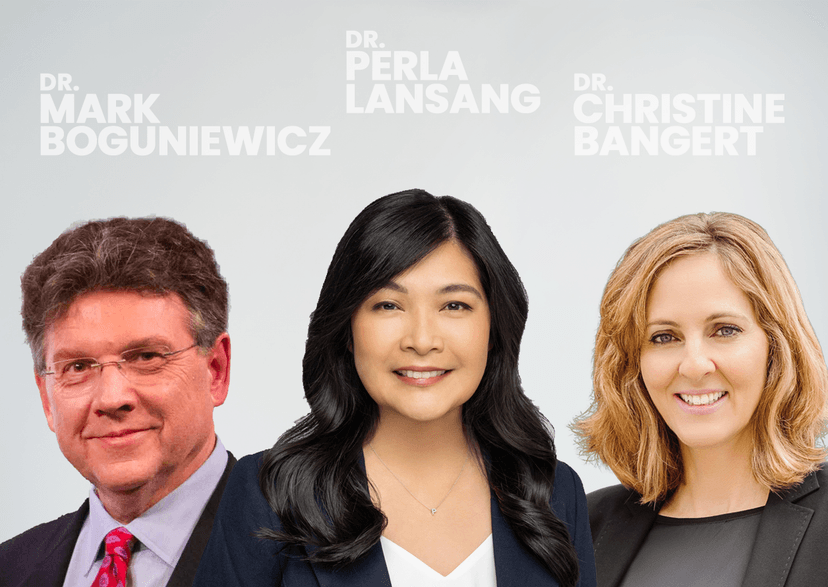
Emerging Perspectives on the Disease Burden and Management of Children With Atopic Dermatitis
This video of the October 2024 ADVENT symposium at EAPS in Vienna, Austria features Drs Christine Bangert, Mark Boguniewicz, and Perla Lansang as they discuss the inflammatory processes driven by type 2 cytokines that lead to AD and atopic comorbidities, the multidimensional and cumulative disease burden associated with AD and its comorbidities, and the current and emerging treatment options for children with AD uncontrolled with topical therapy
