14 search results for: IL-4

Airway Remodeling in Type 2 Asthma is Driven by IL-4 and IL-13
Dr. Reynold Panettieri discusses how IL-4 and IL-13 drive airway remodeling in type 2 asthma.

Can targeting IL-4 and IL-13 have an effect on relieving the burden of atopic and non-atopic comorbidities in AD?
Dr. Amy Paller discusses how targeting IL-4 and IL-13 can improve burden of AD.
What role does IL-4 and IL-13 have in driving Type 2 inflammatory skin disease (AD, PN, CSU)?
Dr. Oscar Palomares explains that IL-4 and IL-13 are crucial cytokines in type 2 inflammation, playing both unique and overlapping roles, including T cell expansion and contributing to clinical symptoms in chronic diseases.
IL-4 Contributes to Systemic Type 2 Inflammation in AD
In this highlight video from the ADVENT AD symposium held at EADV’s 2024 Annual Meeting in Amsterdam, Dr. Stephan Weidinger discusses how IL-4 contributes to systemic type 2 inflammation in AD via several mechanisms, including T cell differentiation, B cell activation and IgE generation, and T regulatory cell inhibition.

Barrier disruption in AD and the development of environmental and food allergies
Dr. Casale discusses the critical role of barrier disruption in atopic dermatitis
Normalizing Skin Barrier by Inhibiting IL-4 & IL-13, or IL-13 Alone
Dr. Ramien explores how advanced systemic therapies may modify atopic dermatitis pathomechanisms including skin barrier dysfunction, and neuroimmune dysregulation
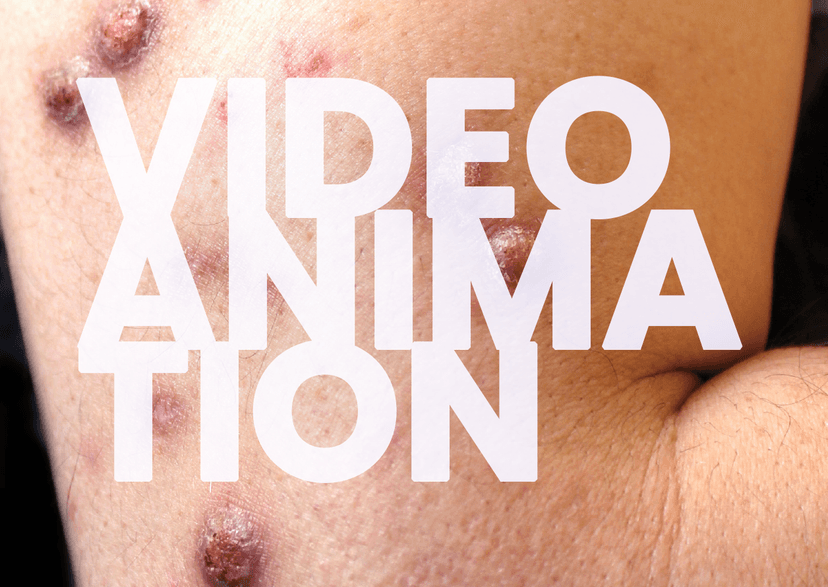
The Pathophysiology of Prurigo Nodularis
An infographic exploring the pathophysiology of prurigo nodularis and the role of type 2 inflammation.

KOL Video Interview – Dr Amy Paller
In this exclusive video interview, Dr Amy Paller discusses two topics: 1) The importance of CCL17 (TARC) as a biomarker in pediatric patients with AD, and 2) How IL-4 and IL-13 contribute to skin barrier dysfunction in AD.
World Congress of Dermatology (WCD) 2023 | Singapore
Highlights from the ADVENT symposium at the 2023 World Congress of Dermatology in Singapore.
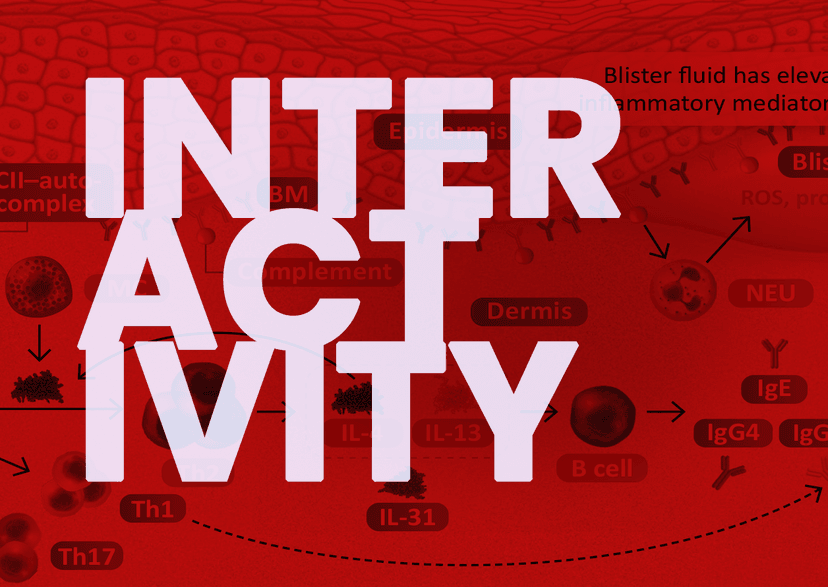
Bullous Pemphigoid (BP) Pathophysiology Infographic
A static infographic detailing how autoimmunity and Type 2 inflammation play a critical role in the pathophysiology of Bullous Pemphigoid (BP).

Type 2 Inflammation Underpins Pediatric Severe Asthma
Learn about the role type 2 inflammation plays in the burden and pathophysiology of severe asthma in pediatric patients.

Expert Interview: Featuring Dr Shawn Kwatra on PN itch and impact on patients
Join Dr Kwatra as he dives deeper into the mechanism of lesion formation in Prurigo Nodularis and the impact the development of these skin lesions have on patient life.
