152 search results for: type 2 inflammation
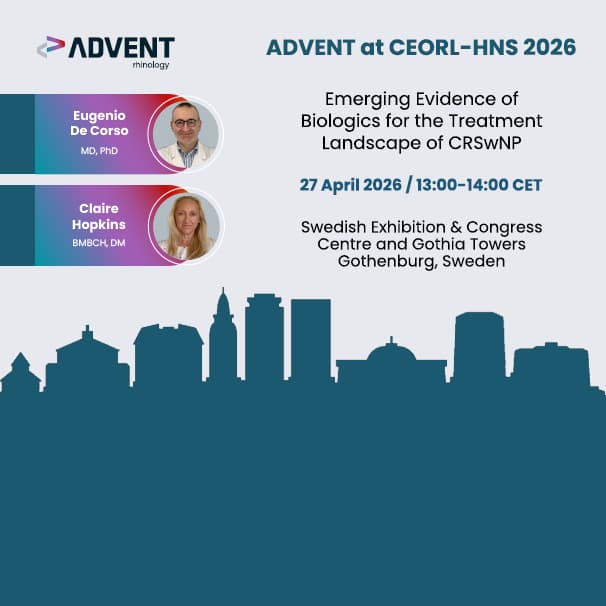
CEORL-HNS 2026 | Emerging Evidence of Biologics for the Treatment Landscape of CRSwNP
Join Sanofi and Regeneron for an educational symposium on type 2 inflammation, patient characteristics predictive of disease recurrence, and emerging real-world evidence for biologics in CRSwNP.
World Anosmia Day 2026
Join the effort to improve CRSwNP care. World Anosmia Day serves as an opportunity to raise awareness about the loss of the sense of smell. Access some of countless educational resources with ADVENT below.

World Anosmia Awareness Day
Explore our educational resources about loss of smell and the role of type 2 inflammation in CRSwNP, featuring expert insights from Profs. Wytske Fokkens and Joaquim Mullol.
Why Is It Important to Assess Lung Function in Pediatric Asthma?
Learn about FEV1pp and the downstream effects of lung function decline in children with severe asthma.
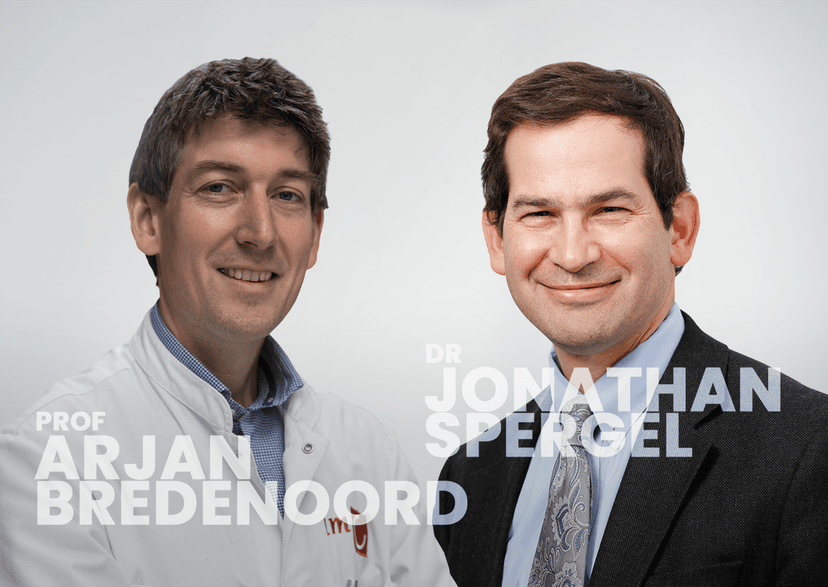
Complex EoE Pathophysiology Beyond Esophageal Eosinophilia
Dr. Jonathan Spergel and Prof. Arjan Bredenoord highlight the importance of different immune cells in type 2 inflammation in EoE.
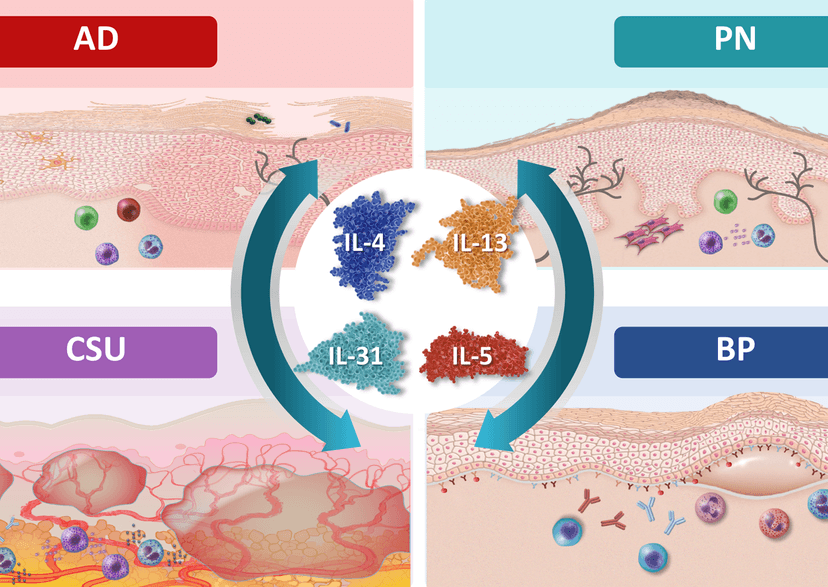
What Went Wrong? How Dysregulated Type 2 Immunity Contributes to AD, PN, CSU, and BP
This is the full presentation of the March 2025 ADVENT cross-dermatology symposium, hosted in Orlando, Florida, presenting the latest information around type 2 inflammation and its association with atopic dermatitis (AD), prurigo nodularis (PN), chronic spontaneous urticaria (CSU) and bullous pemphigoid (BP).

What Went Wrong? How Dysregulated Type 2 Immunity Contributes to AD, PN, CSU, and BP
This full video presentation of the March 2025 ADVENT cross-dermatology symposium, hosted in Orlando, Florida features Dr. Eric Simpson, Dr. Shawn Kwatra, Dr. Jason Hawkes and Dr. Victoria Werth. The faculty present the latest information around type 2 inflammation and its association with atopic dermatitis (AD), prurigo nodularis (PN), chronic spontaneous urticaria (CSU) and bullous pemphigoid (BP).

Atopic Dermatitis at an Inflection Point: Refining Outcomes Through Timely, Targeted Intervention
At the 2026 EADV Congress, Prof. Tilo Biedermann and Drs. Nicole Chase and Lisa Swanson present a holistic view of atopic dermatitis (AD) management from childhood to adulthood centered around type 2 inflammation. Beginning with the hypothesis that reduced exposure to helminths in increasingly industrialized societies may have diminished natural immunomodulatory mechanisms, they explore how dysregulated type 2 inflammation can manifest as AD and extend beyond the skin. The discussion then focuses on adults with uncontrolled AD, highlighting the multidimensional, cumulative burden of disease across the lifespan—and how targeted systemic therapy may help achieve sustained disease control. Finally, the faculty explore pediatric AD as a critical window for early intervention, with the potential to alter disease progression and prevent comorbidities.
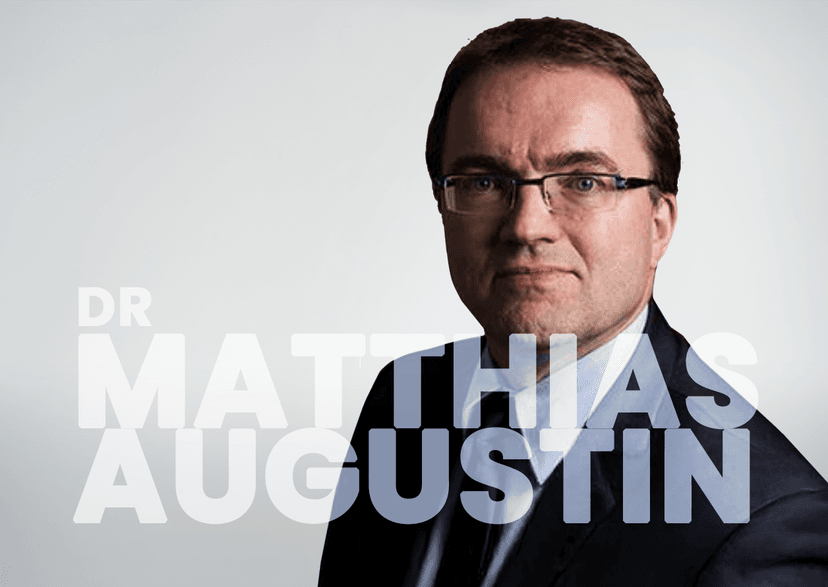
Beyond the Visible: The Cumulative Burden of Prurigo Nodularis
Professor Matthias Augustin emphaizes that prurigo nodularis is a chronic systemic disease with a significant and multifaceted burden, encompassing both visible skin manifestations and hidden psychosocial and physical comorbidities.

ERS 2026 | Breaking Silos Between Asthma and CRSwNP: Loss of Smell as a Marker of Unified Airway Disease
Join experts Roland Buhl, Joaquim Mullol, and Giselle Mosnaim as they discuss the role of type 2 inflammation across the unified airway, with a focus on the amplified burden and the difficulty controlling inflammation when asthma and CRSwNP coexist.

ADVENT On Air | Charting a New Course: The Frontier of Early Intervention and Disease Modification in AD
Join Drs. April Armstrong and Lisa Beck for a conversation around the long-term burden and effects of AD. They will discuss the underlying pathophysiology of AD and how early intervention and disease modification may impact disease course.