202 search results for: Burden of Disease

The Path to Nodules: Type 2 Inflammation at the Core of Chronic Itch and Fibrosis in Prurigo Nodularis
Join Dr. Shawn Kwatra in discussing the diverse clinical presentations of PN and the role of type 2 inflammation in disease pathogenesis.
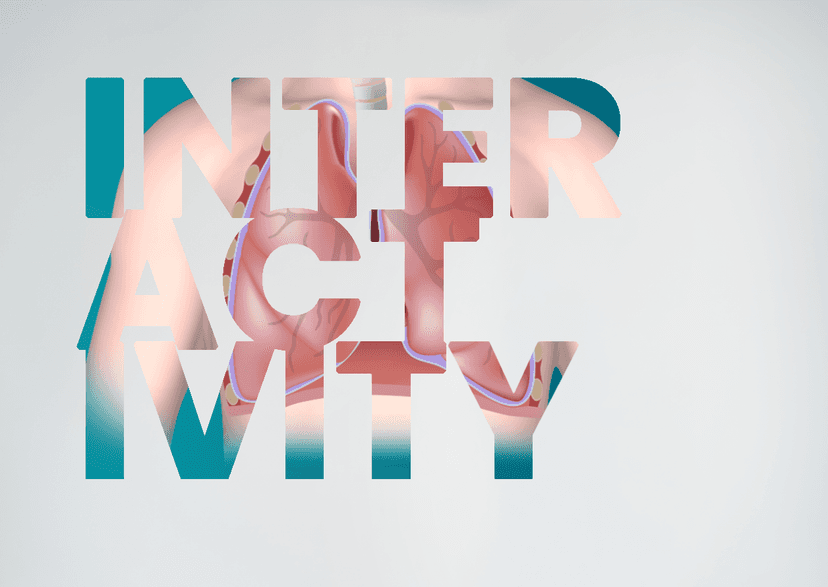
Uncovering the Impact of Moderate COPD Exacerbations
The infographic provides information about the clinical characteristics used to classify moderate COPD exacerbations and the impact of these events on lung function, future risk, and mortality.

The Multifactorial Burdens of Bullous Pemphigoid
Professor Dédée Murrell explains the challenges in managing patients with bullous pemphigoid at EADV 2025.
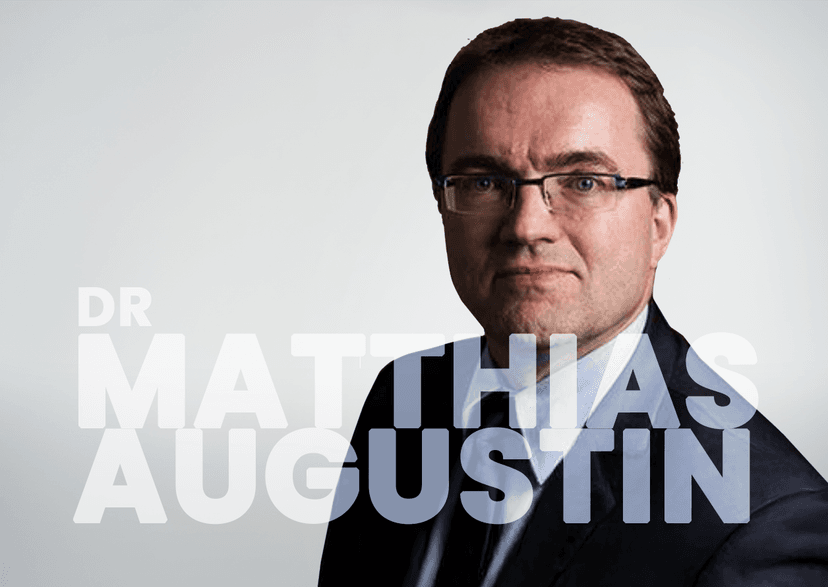
Understanding the Full Scope of PN: Lesions, Dyspigmentation, and Patient Burden
Professor Matthias Augustin details the various clinical manifestations of prurigo nodularis, illustrating how different lesion types can present concurrently in patients.

Managing Type 2 Inflammatory Diseases: Multidisciplinary Frame of Mind
Drs. Bob Geng and Lawrence Eichenfield highlight a multidisciplinary team approach to patient-centered care in diseases with type 2 inflammation

Importance of Assessing Multiple Disease Domains in EoE
Prof. Arjan Bredenoord and Dr. Evan Dellon emphasize the need to assess multiple disease domains to get the complete picture of patients’ EoE.

Understanding IL-33: A Key Factor in COPD Pathogenesis
Explore the role of interleukin (IL)-33 in chronic obstructive pulmonary disease (COPD) pathophysiology and its potential as a therapeutic target.
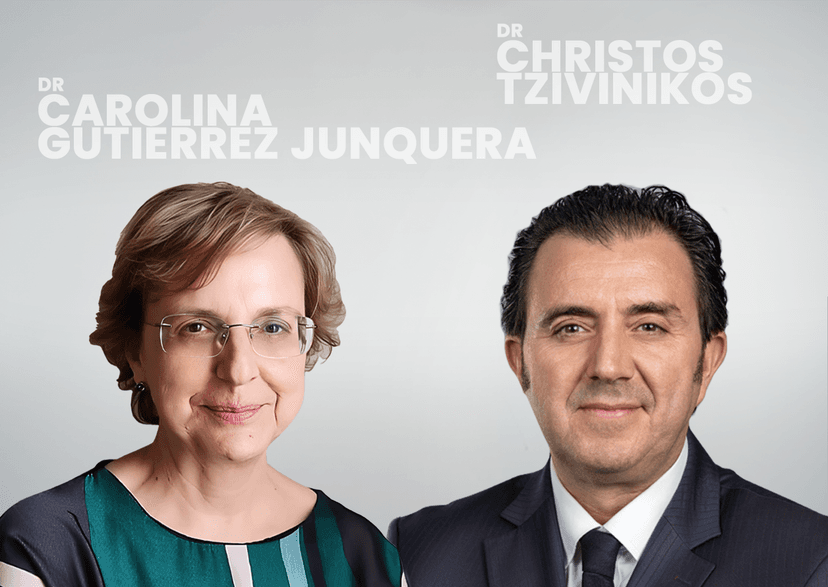
ESPGHAN 2025 | Early Diagnosis & Effective Management in Pediatric EoE
Drs Gutiérrez Junquera and Tzivinikos discuss the importance of early identification and management of pediatric EoE to improve long-term outcomes.

EAACI 2025 | At The Intersection of the Type 2 Airways: Navigating the Challenges of CRSwNP & Co-existing Asthma
Professors Brian Lipworth, Zuzana Diamant, and Philippe Gevaert delve into the complexities of managing patients with both severe and/or uncontrolled CRSwNP and co-existing asthma through an evaluation of the diagnostic challenges, personalized treatment strategies, and the latest advancements in understanding the interconnected pathophysiology of these type 2 airway diseases.

ERS-ISIAN 2025 | Disease Control in CRSwNP
Unpack the keys to successful disease control in CRSwNP alongside expert Prof. Vibeke Backer. Learn how to navigate treatment pathways for improved patient quality of life.
ERS 2024 | A Breath of Fresh Air: A Greater Understanding of COPD With Type 2 Inflammation
Join experts Henrik Watz, Mona Bafadhel, and Alberto Papi for an educational symposium on the link between underlying drivers of COPD with type 2 inflammation and cumulative patient burden, exploring the role of type 2 cytokines, and current and emerging therapies.
Impact of Delayed EoE Diagnosis on Disease Progression and QoL
Join Prof. Arjan Bredenoord as he discusses the importance of early diagnosis of EoE.
