70 search results for: type 2 inflammation

The Role of IL-4 and IL-13 in CSU Pathogenesis
Dive into the complex pathophysiology of chronic spontaneous urticaria (CSU), where mast cell degranulation drives the hallmark signs and symptoms. This interactive infographic elucidates how key type 2 cytokines, specifically IL-4 and IL-13, contribute to mast cell activation, immune cell trafficking into the skin, and neuronal sensitization in CSU, which ultimately leads to the release of mediators like histamine that cause wheals, angioedema, and itch.
ADVENT On Air | Expert Discussions in Dermatology
Listen to the latest updates in type 2 inflammatory science and associated skin diseases, brought to you by leading dermatology experts in the field. ADVENT On Air podcasts feature scientific conversations that explore new research into the pathophysiology, clinical features, and disease burden for a range of dermatological diseases linked to type 2 inflammation, including atopic dermatitis (AD) and prurigo nodularis (PN). Hear new insights revealed through expert-led conversations below or in your preferred podcast app.



Immunological Drivers in CSU: Diverse Pathways to Mast Cell Activation
In this video from EADV 2025, Dr. Hawkes reviews the pathophysioogy of CSU with a focus on the role of type 2 inflammation

Mucus Plugging Is a Key Component of Remodeling in Asthma, Leading to Fixed Airway Obstruction
Learn about the role of type 2 inflammation in the burden and pathophysiology of mucus plugging in severe asthma

Clinical Manifestations Associated With Airway Remodeling in Asthma
Join Dr. Hanania to understand how to identify patients at risk of fixed airway obstruction in clinical settings.

FeNO Is a Noninvasive Biomarker That Can Support Diagnosis and Management for Asthma Patients
Learn how FeNO, a noninvasive biomarker for type 2 inflammation, can be used to optimize care for asthma patients.

Impact of Exacerbations in COPD
Dr. Stephanie Christenson discusses the association between COPD exacerbations and the increased risks of morbidity and mortality

Exacerbations Lead to Worsening Lung Function
Dr. Mario Castro discusses how COPD exacerbations can predict future exacerbations and lead to progressive lung function loss in COPD patients.
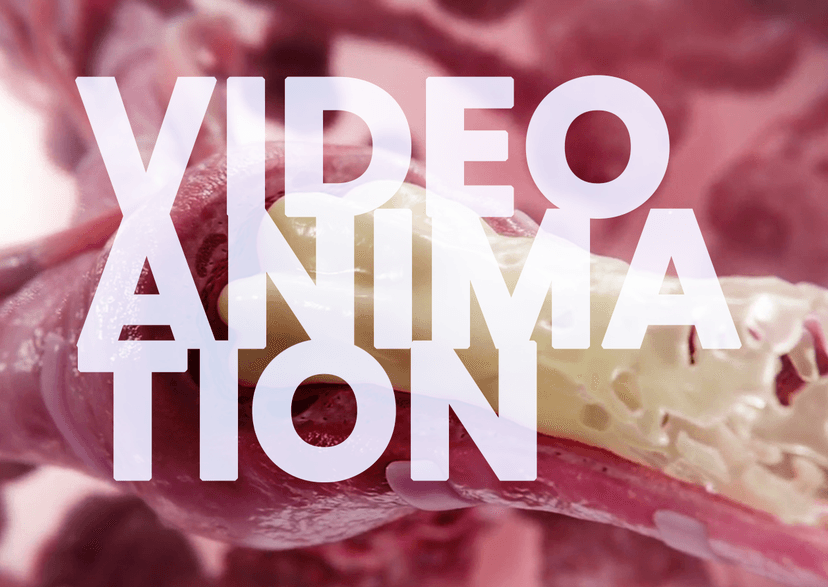
A view into the Airway: The Pathophysiology and Clinical Relevance of Mucus Plugs in Asthma
Explore the role of type 2 inflammation in the production of mucus plugs in asthma and the effects these plugs can have on patients.

EAACI 2024 | On-Treatment Clinical Remission in Upper and Lower Airways: Going Beyond Symptom Control
Join experts G. Walter Canonica, Vibeke Backer, and Joaquim Mullol for an educational symposium on elevating treatment goals from control to remission in the upper and lower airways.
