78 search results for: expert insights
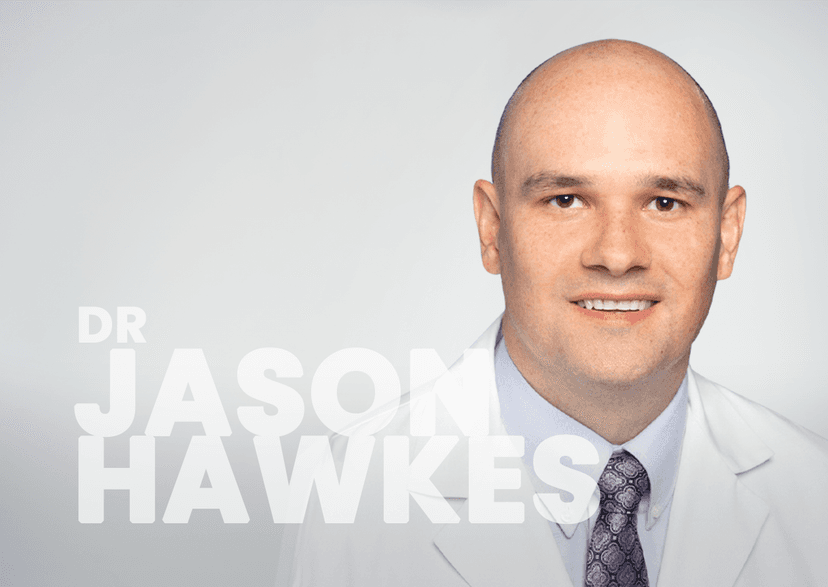
The Clinical Presentation of CSU is Heterogeneous
Dr Hawkes provides an overview of the distinctive characteristics of wheals and angioedema in clinical manifestation
ADVENT On Air | Exploring The Urgency to Treat in Atopic Dermatitis
Professor Lisa Beck explores the chronic and persistent burden of atopic dermatitis (AD) as well as the concept of early intervention in patients with AD.
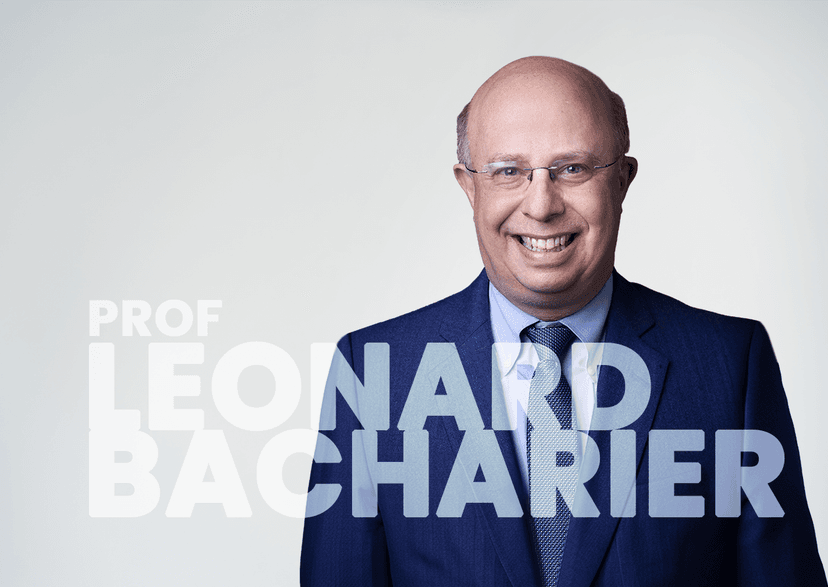
ERS 2024 | Understanding Remission as a Treatment Goal in Pediatric Severe Asthma – Patient Case Introduction
In this ADVENT symposium at the 2024 European Respiratory Society conference, Dr. Leonard Bacharier describes a typical patient presentation in the pediatric asthma clinic and explores whether clinical remission is a goal of treatment for this patient and others like them.
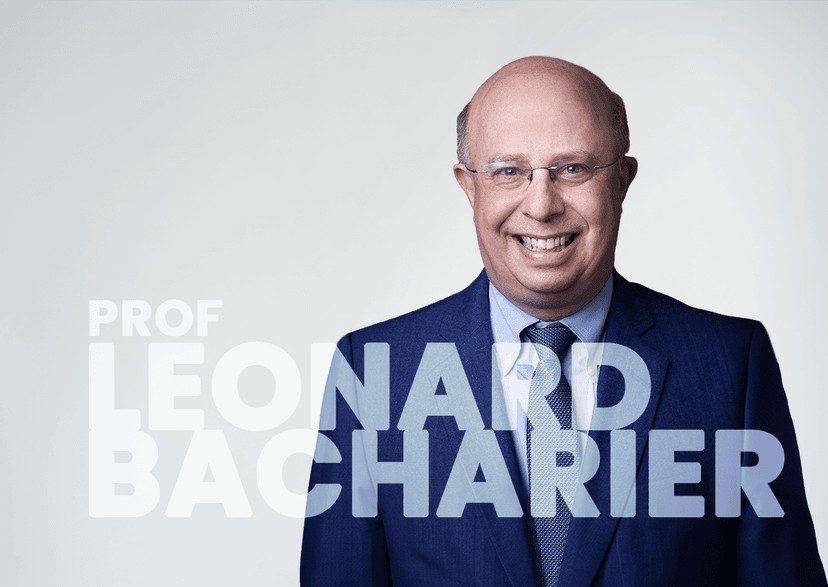
ERS 2024 | Understanding Remission as a Treatment Goal in Pediatric Severe Asthma – Patient Case Follow-Up
In this ADVENT symposium at the 2024 European Respiratory Society conference, Dr. Leonard Bacharier revisits a patient case study where a biologic has been added to an asthma management plan and describes the potential for this patient to achieve on-therapy clinical remission.
Indirect Treatment Comparison of Biologics Approved for CRSwNP
In this video soundbite from the ERS-ISIAN 2025 symposium, Dr. Sietze Reitsma discusses about indirect comparison of biologics for CRSwNP, focusing on clinical outcomes like symptom relief and safety and also highlights dupilumab, omalizumab, and mepolizumab as effective and well-tolerated options.
Coexisting Type 2 Inflammatory Diseases Can Add to the Patient Overall Disease Burden
In this soundbite video from the April 2025 ADVENT Forum in Lisbon, Portugal, Prof. Oscar Palomares highlights how patients with type 2 inflammatory diseases often experience multimorbidities, with overlapping symptoms that amplify their overall disease burden and impact quality of life.
KOL Video Interview – Dr Amy Paller
In this exclusive video interview, Dr Amy Paller discusses two topics: 1) The importance of CCL17 (TARC) as a biomarker in pediatric patients with AD, and 2) How IL-4 and IL-13 contribute to skin barrier dysfunction in AD.
ADVENT On Air | Best Practice for CSU - Perspectives from Allergy and Dermatology
Join allergist Dr. Nicole Chase and dermatologist Dr. Jason Hawkes as they dispel common myths in the management of chronic spontaneous urticaria (CSU). They offer practical, empathetic strategies to move beyond unnecessary diagnostics and delays, focusing instead on urgent treatment escalation and effective management to reduce the profound burden of uncontrolled CSU on patients.
ADVENT On Air | Early Intervention and Disease Modification in Atopic Dermatitis
Prof. Thomas Bieber explores early intervention and disease modification in atopic dermatitis.
ESPGHAN 2025 Pediatric EoE: Clinical Data & Long-Term Management
Dr Gutiérrez Junquera discusses ESPGHAN guidelines, clinical data, and long-term management strategies for pediatric EoE.
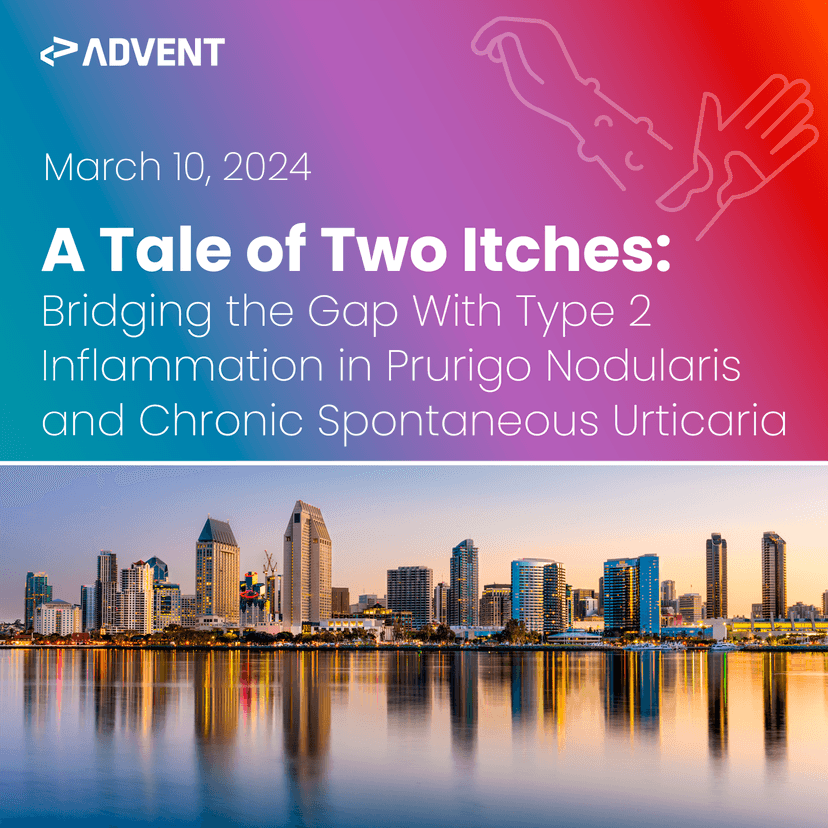
A Tale of Two Itches: Bridging the Gap With Type 2 Inflammation in PN and CSU
Join Drs. Elmariah, Kim, and Metz as they explore the latest research on neuro-immune mechanisms driving chronic itch and inflammation in PN and CSU.
