134 search results for: type 2 inflammation

Interplay of Barrier Dysfunction and Type 2 Inflammation in EoE
Learn from Prof. Seema Aceves about the interconnectivity of type 2 inflammation and barrier dysfunction in mediating EoE pathophysiology.
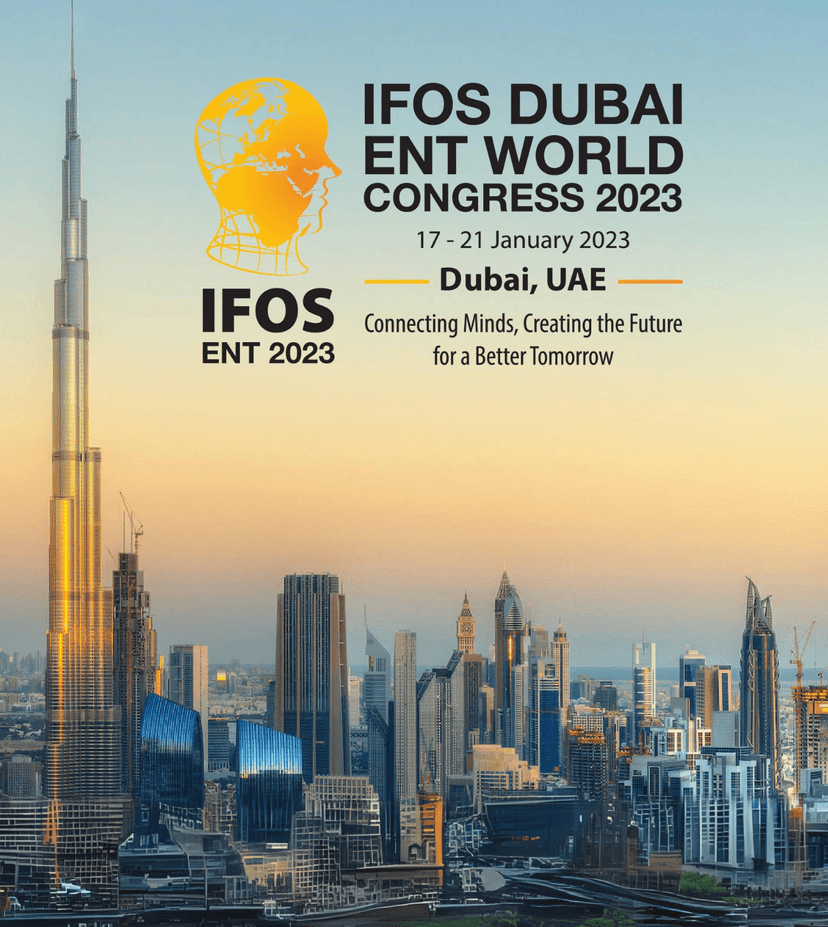
IFOS 2023 | Type 2 Inflammation and Clinically Relevant Improvements in CRSwNP
Dr. Stella Lee and Profs. Peter Hellings and Wytske Fokkens discuss type 2 inflammation, partnering with patients to improve outcomes, and real-world data on biologic effectiveness in CRSwNP.

The Role of Type 2 Inflammation in Moderate-to-Severe AD
In this expert interview video focusing on topics from the September 2024 ADVENT symposium at EADV’s Annual Meeting in Amsterdam, the Netherlands, Dr. Stephan Weidinger discusses how type 2 inflammation contributes to the systemic inflammation seen in patients with moderate-to-severe AD.
ERS 2024 | A Breath of Fresh Air: A Greater Understanding of COPD With Type 2 Inflammation
Join experts Henrik Watz, Mona Bafadhel, and Alberto Papi for an educational symposium on the link between underlying drivers of COPD with type 2 inflammation and cumulative patient burden, exploring the role of type 2 cytokines, and current and emerging therapies.

Diving Below the Surface of AD: The Role of Type 2 Inflammation
This video from the September 2024 ADVENT symposium at EADV’s Annual Meeting in Amsterdam, the Netherlands, features Dr. Stephan Weidinger discussing how local type 2 inflammation at the skin tissue level contributes to epidermal barrier dysfunction, dysbiosis, and neuroimmune dysfunction, leading to the clinical signs and symptoms of AD. Dr. Weidinger also reviews how systemic inflammation affects organ systems beyond the skin and can manifest as atopic and non-atopic comorbidities.
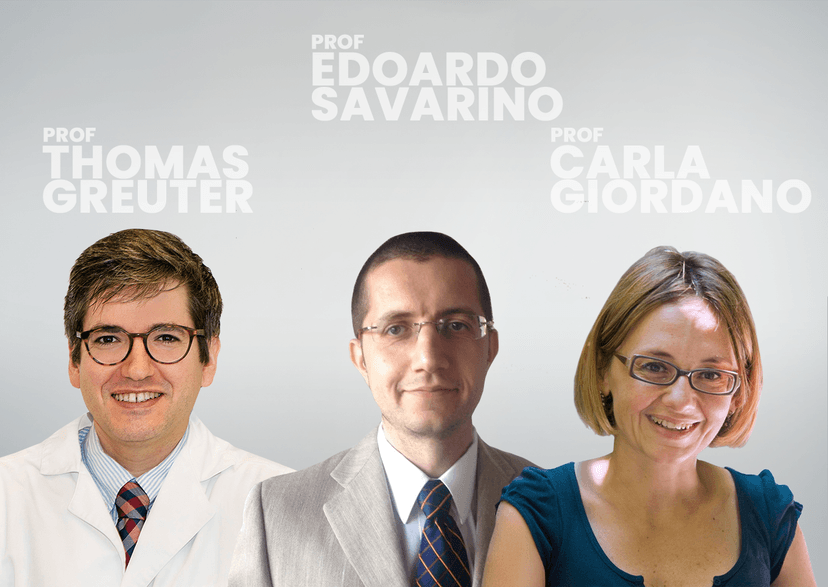
UEG 2025 | Understanding Type 2 Inflammation in EoE: A Case-Based Discussion
Profs. Greuter, Savarino, and Giordano discuss best practices for EoE identification, multidimensional EoE assessment, and transition of care.

Key Pathophysiological Mechanisms of Chronic Spontaneous Urticaria Are Driven by Type 2 Inflammation
Join Dr. Jason Hawkes as he explains the importance of type 2 inflammation in chronic spontaneous urticaria.

Type 2 Inflammation Within Skin Tissue in AD
In this highlight video from the September 2024 ADVENT symposium at EADV’s Annual Meeting in Amsterdam, the Netherlands, Dr. Stephan Weidinger discusses how type 2 inflammation contributes to epidermal barrier dysfunction, perivascular infiltration and plasma protein leakage, and chronic itch in AD.
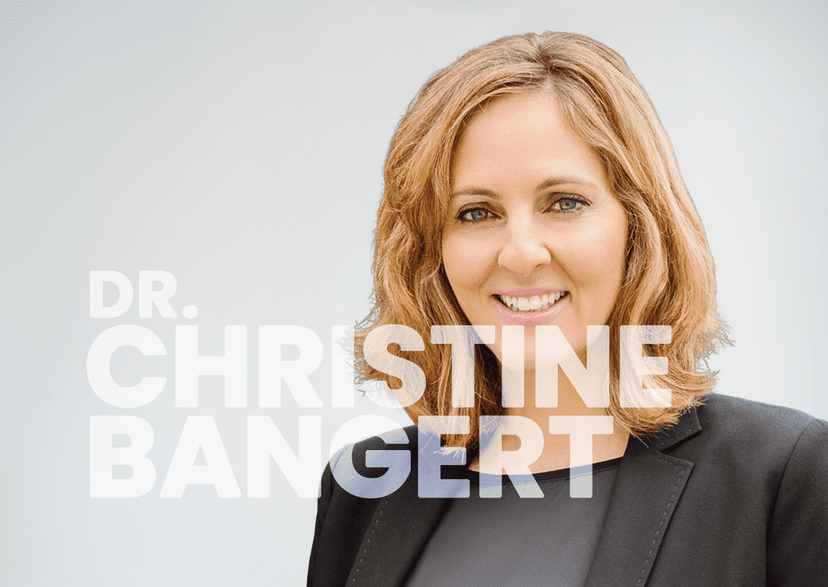
Role of Type 2 Inflammation in Skin Barrier Disruption and Itch
In this highlight video from the October 2024 ADVENT symposium at EAPS in Vienna, Austria, Dr Christine Bangert discusses how type 2 inflammation contributes to epidermal barrier dysfunction and chronic itch in AD

IL-4 Contributes to Systemic Type 2 Inflammation in AD
In this highlight video from the ADVENT AD symposium held at EADV’s 2024 Annual Meeting in Amsterdam, Dr. Stephan Weidinger discusses how IL-4 contributes to systemic type 2 inflammation in AD via several mechanisms, including T cell differentiation, B cell activation and IgE generation, and T regulatory cell inhibition.

Type 2 Inflammatory Diseases Can Negatively Impact Patients and Their Caregivers
In this soundbite video from the April 2025 ADVENT Forum in Lisbon, Portugal, Prof Oscar Palomares highlights the substantial impact of type 2 inflammatory diseases on the quality of life of patients and their caregivers.
