133 search results for: type 2 inflammation
2025 ADVENT Forum | Potential for Disease Modification in the Airway
Unlock new perspectives on managing chronic airway diseases. Profs. Leonard Bacharier, Eugenio De Corso, Stella Lee, Marc Miravitlles, Celeste Porsbjerg, Klaus Rabe, and Martin Wagenmann – share their collective wisdom and experience on the evolving landscape of therapeutic strategies aimed at truly modifying disease progression, offering renewed hope for patients and practitioners alike.
Spotlight on Type 2 Inflammation in the Upper and Lower Airways
In this video soundbite from the EAACI 2025 symposium, Dr. Zuzana Diamant explains pathophysiological mechanisms underlying asthma and CRSwNP, and how type 2 inflammatory cytokines drive airway remodelling in patients with severe asthma. Additionally, patients with co-existing asthma and CRSwNP have a higher type 2 inflammatory burden than patients with asthma alone.
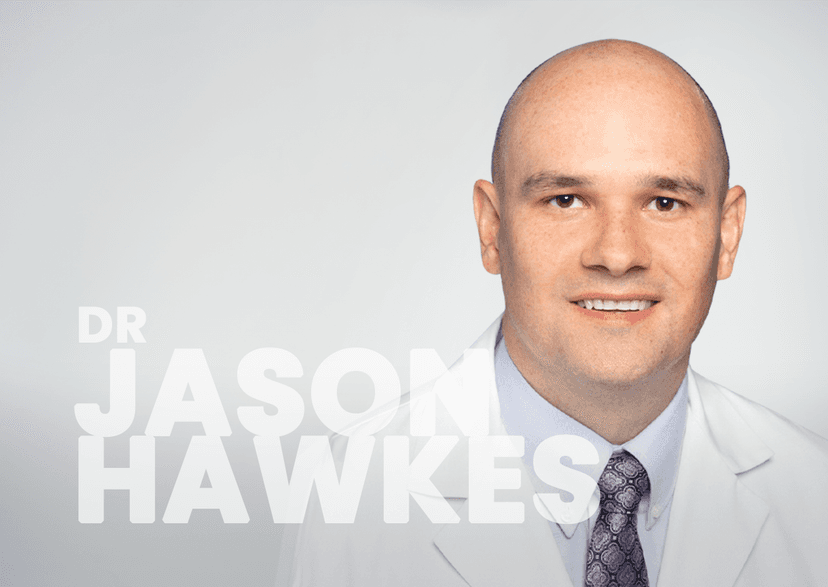
Inside the Hive: Type 2 Inflammatory Pathways in Chronic Spontaneous Urticaria
Join Dr. Jason Hawkes in discussing the burden of CSU and how type 2 inflammation contributes to the development of chronic wheals (hives) and angioedema
A Tale of Two Itches: Bridging the Gap With Type 2 Inflammation in PN and CSU
Join Drs. Elmariah, Kim, and Metz as they explore the latest research on neuro-immune mechanisms driving chronic itch and inflammation in PN and CSU.
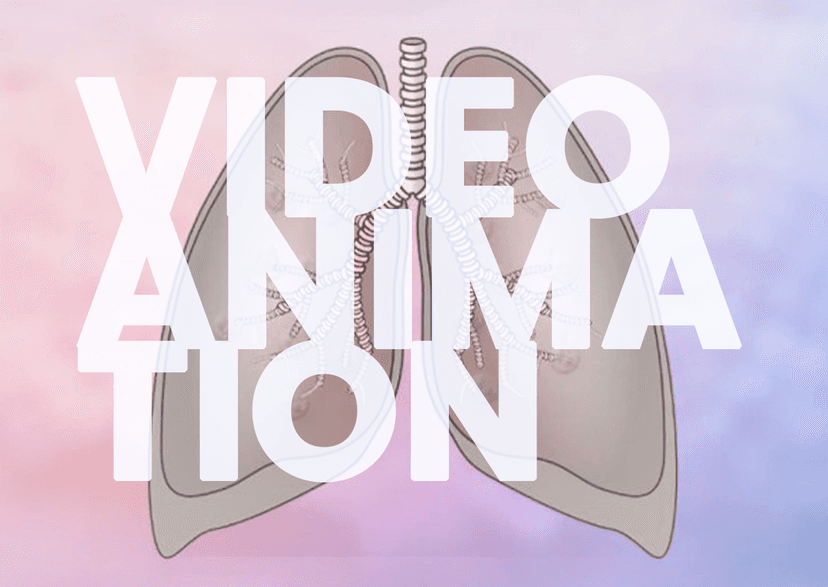
Exploring the Mechanisms of FeNO Production in the Lungs
Explore how type 2 inflammation drives the production of FeNO in severe asthma
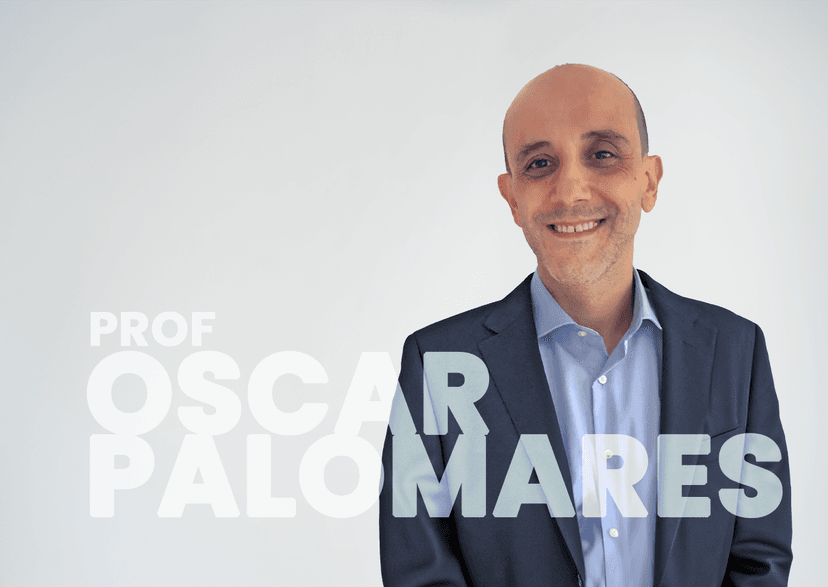
Coexisting Type 2 Inflammatory Diseases Can Add to the Patient Overall Disease Burden
In this soundbite video from the April 2025 ADVENT Forum in Lisbon, Portugal, Prof. Oscar Palomares highlights how patients with type 2 inflammatory diseases often experience multimorbidities, with overlapping symptoms that amplify their overall disease burden and impact quality of life.
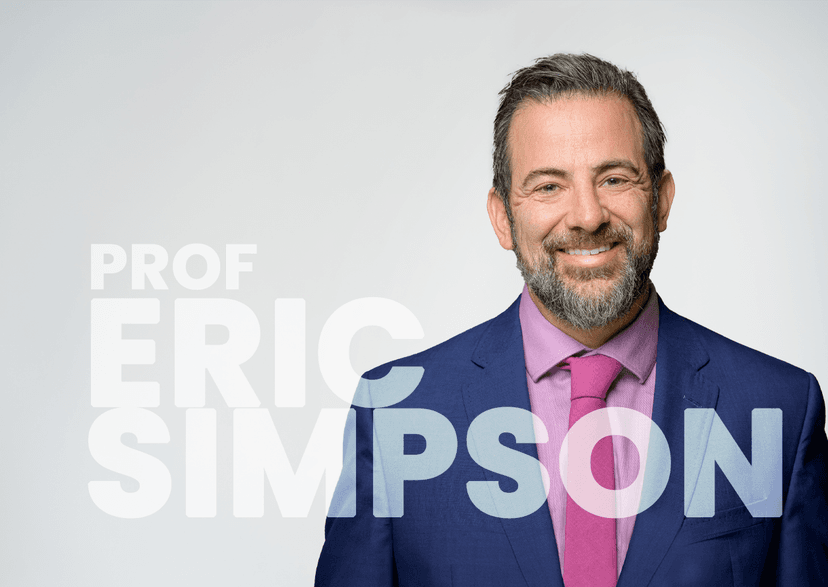
How Does Protective Type 2 Immunity Become Harmful Type 2 Inflammation?
In this video soundbite from the March 2025 ADVENT symposium in Orlando, Florida, Dr. Eric Simpson explains how protective type 2 immunity can become dysregulated, leading to harmful type 2 inflammation.

CRSwNP Triathlon: An Interactive Learning Experience
Embark on this interactive triathlon challenge to uncover the interplay of type 2 inflammation, barrier dysfunction, and neuroimmune dysregulation in the disease pathology of CRSwNP.
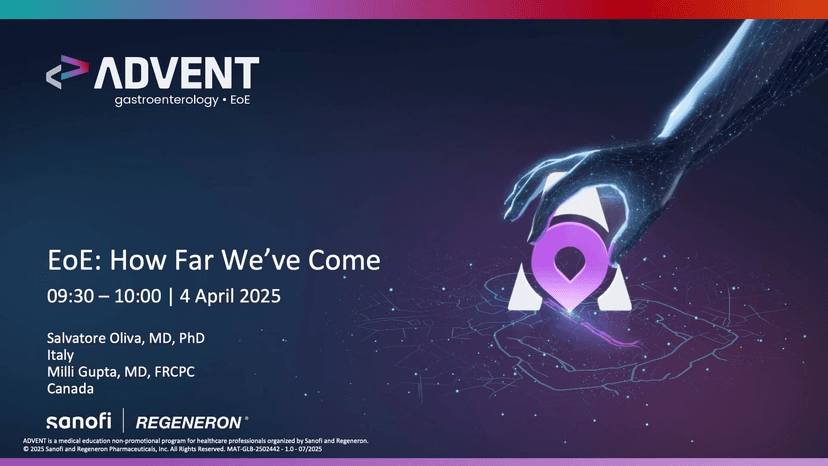
Gastro Forum 2025 | EoE: How Far We've Come
Prof. Salvatore Oliva and Dr. Milli Gupta discuss the evolution in understanding EoE and the impact of chronic, underlying type 2 inflammation.
Mechanisms of Production and Clinical Impact of IgE
Explore how type 2 inflammation drives the production of IgE in severe asthma

Eosinophils: A Biomarker in COPD
Learn how to identify chronic obstructive pulmonary disease (COPD) patients with type 2 inflammation using blood eosinophil (EOS) levels, understand the associated risks, and recognize factors that may influence EOS counts.
UEGW 2024 | WHY Is Long-Term Management of EoE Important?
Prof. Salvatore Oliva discusses the impact of chronic type 2 inflammation on EoE progression, highlighting the need for long-term management.
