147 search results for: Clinical Management

ESPGHAN 2025 Pediatric EoE: Clinical Data & Long-Term Management
Dr Gutiérrez Junquera discusses ESPGHAN guidelines, clinical data, and long-term management strategies for pediatric EoE.

Cracking the Code: Diagnosing and Managing Skin Diseases With Type 2 Inflammation
This symposium delves into the pivotal role of type 2 inflammation in diverse skin conditions, including atopic dermatitis, prurigo nodularis, chronic spontaneous urticaria, and bullous pemphigoid. It highlights both shared and distinct disease mechanisms and patient burdens, providing crucial insights for optimizing clinical management strategies through a series of engaging panel discussions with Drs Eichenfield, Elmariah, Culton, and Hawkes.
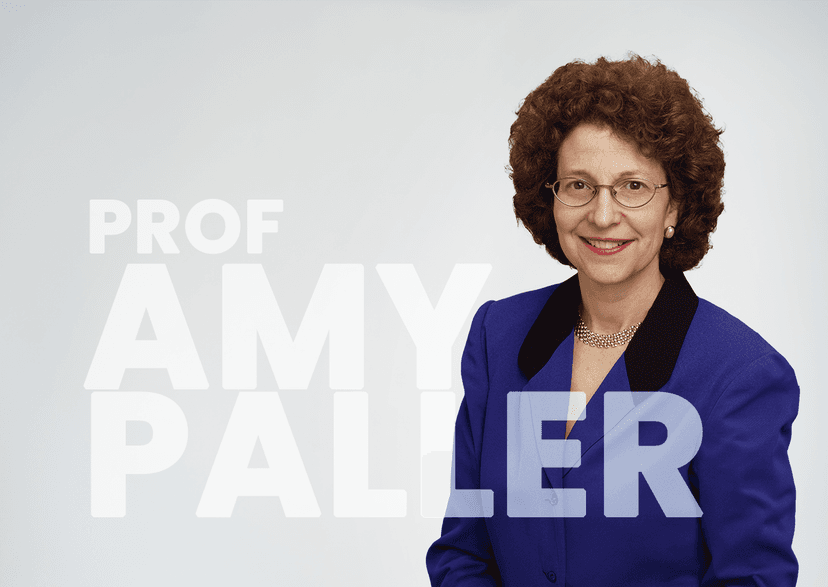
Clinical Utility of Biomarkers in the Management of AD
Dr. Amy Paller discusses the clinical utility of TARC measurements in AD management at EADV 2025

Beyond Signs and Symptoms: Broadening Treatment Goals in Dermatology
Dr Lawrence Eichenfield explores the broadening of treatment goals for long-term disease control, highlighting the importance of this approach in atopic dermatitis. Drs Culton, Elmariah, and Hawkes expand the discussion to further examine specific management goals unique to each skin disease (bullous pemphigoid, prurigo nodularis, and chronic spontaneous urticaria).
ADVENT On Air | The Road Ahead: Achieving Remission for Patients With Asthma
Join Professors Klaus Rabe and Ian Pavord as they discuss the importance of on-treatment clinical remission as a goal in asthma management.

Essential Tools for Effective Care of Patients With Chronic Spontaneous Urticaria
Tune in as Dr. Jason Hawkes describes how to assess disease activity in chronic spontaneous urticaria.
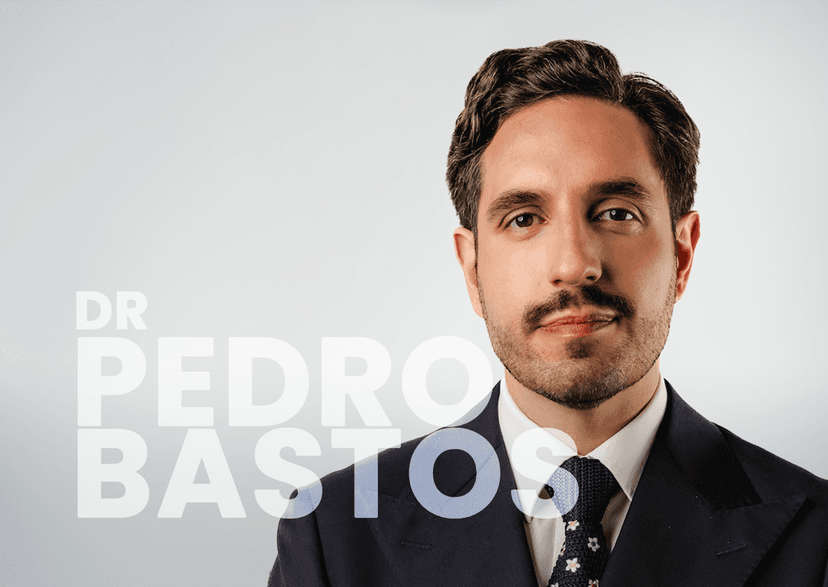
From Data to Decision: Unleashing Real-World Evidence for Smart Treatment Selection
Dr. Pedro Bastos shares how real-world evidence for approved biologics is essential to inform the treatment of PN across diverse comorbid patient populations, including insights into rapid itch relief, progressive skin clearance, long-term outcomes, and safety.

Simplifying the CSU Patient Journey: Diagnosis, Treatment, and Control
Join Dr Michelle Tarbox as she shares practical guidance on diagnosis, patient education, and evaluating disease control in CSU.
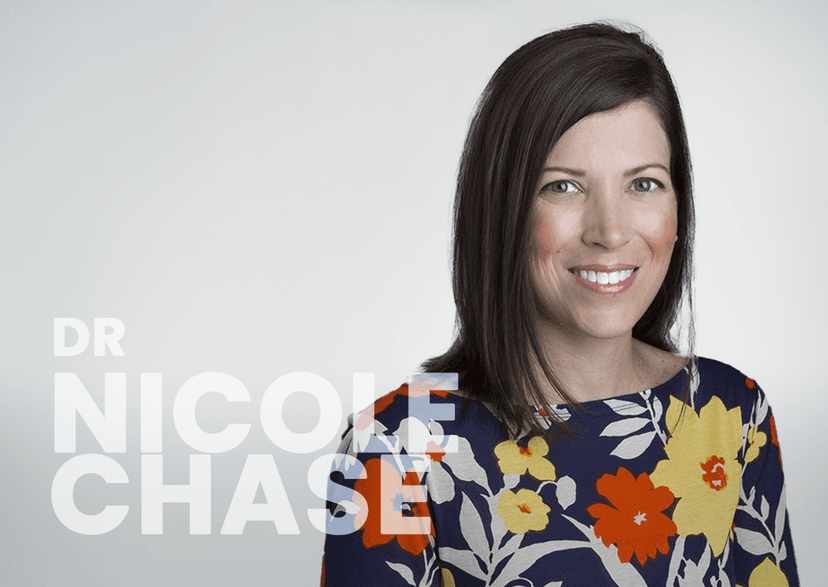
The Potential Sequelae of Missed Opportunities: How Systemic Type 2 Inflammation Can Shape a Patient's Life
Dr. Nicole Chase describes a potential hypothesis for the link between the shift to an industrialized society and the rise in type 2 inflammatory diseases, highlighting the loss of immunomodulatory mechanisms driven by helminthic infections. She explains how unopposed immune responses to common environmental allergens may cause chronic type 2 inflammation, manifesting throughout the body.
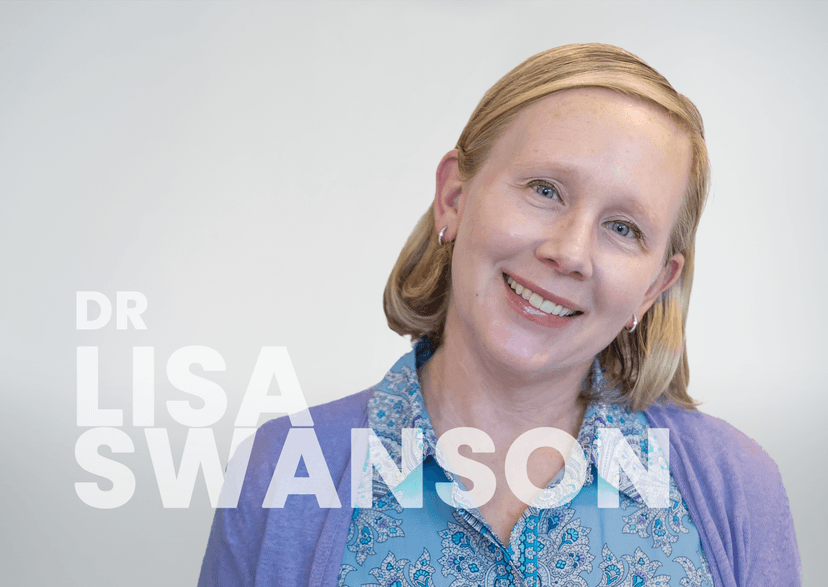
Early Intervention in Pediatric AD: A Critical Window to Alter the Course of AD and Associated Diseases
Dr. Lisa Swanson explores a hypothetical scenario of what might have been achievable for adult patients with atopic dermatitis if advanced systemic therapies had been initiated in early childhood, considering the potential impact on atopic progression, mental health, and bone health and growth outcomes.