85 search results for: mechanism of disease
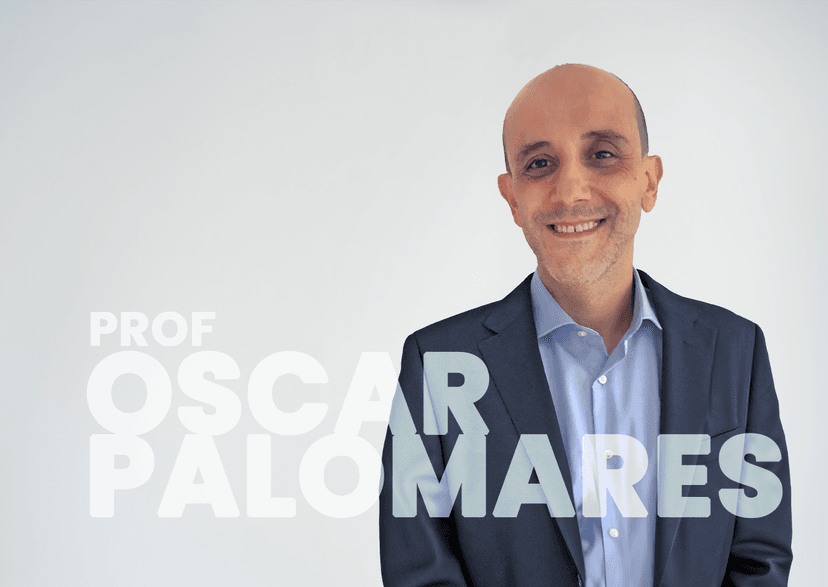
IL-4 Is the Primary Cytokine That Drives Th2 Cell Polarization and Amplifies Type 2 Inflammation
In this soundbite video from the April 2025 ADVENT Forum in Lisbon, Portugal, Prof Oscar Palomares describes how IL-4 is the key cytokine involved in the initiation and perpetuation of Th2 cell responses and type 2 inflammation.

Type 2 Inflammation, Neurosensitization, and Chronic Itch in Atopic Dermatitis
Learn about type 2 inflammation as a driver of neurosensitization and chronic itch in atopic dermatitis with this educational tool.
ADVENT Forum 2025 Event Page
From the April 2025 ADVENT Forum in Lisbon, Portugal, this event page serves to spotlight curated soundbites from dermatology and immunology experts that connect the evolving science of type 2 inflammation to clinical application.

Type 2 Inflammation Is a Driving Factor for Atopic Dermatitis and Related Comorbidities
Dr. Lawrence Eichenfield describes the pathophysiology of atopic dermatitis and how type 2 inflammation may sensitize patients to atopic comorbidities.
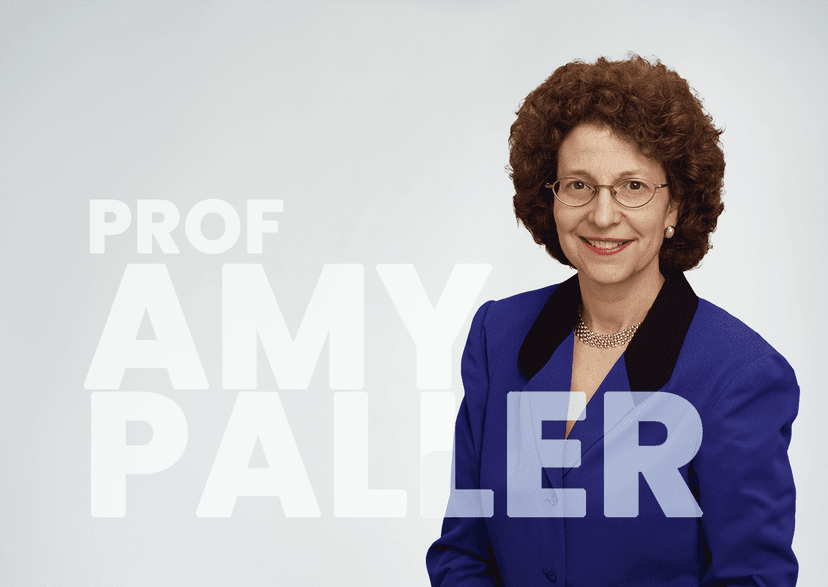
KOL Video Interview – Dr Amy Paller
In this exclusive video interview, Dr Amy Paller discusses two topics: 1) The importance of CCL17 (TARC) as a biomarker in pediatric patients with AD, and 2) How IL-4 and IL-13 contribute to skin barrier dysfunction in AD.

Dr. Giorgio Canonica Regarding Multidisciplinary Approach
This video clip from the EAACI 2024 symposium highlights that a multidisciplinary approach is essential for the treatment of asthma.

Should we Still Operate on Patients With Chronic Rhinosinusitis With Nasal Polyps?
This video clip from the EAACI 2024 symposium discusses whether patients with CRSwNP should undergo a surgery.
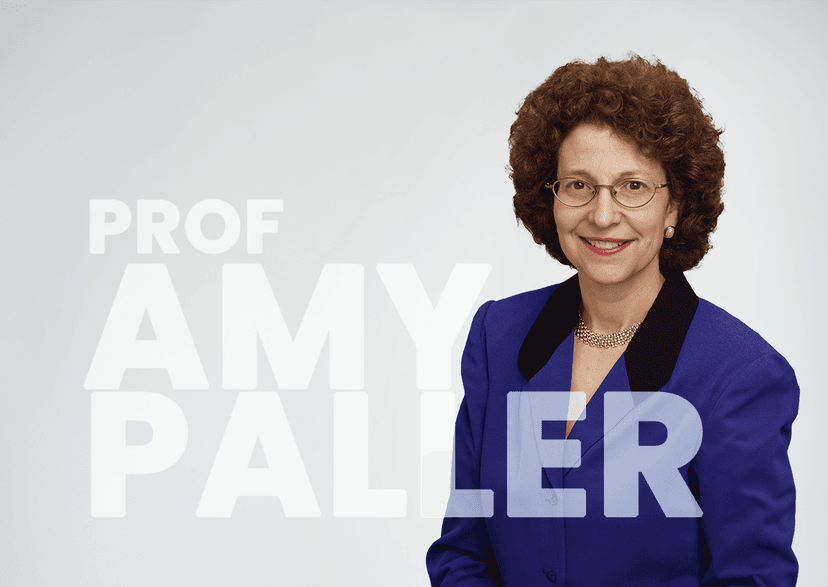
On the Surface: Restoring the Skin Barrier in Patients With AD
In this video from the April 2025 WCPD symposium, Dr Amy Paller discusses the pathophysiology of skin barrier dysfunction in AD and how regulating IL-4 and IL-13 signaling may lead to restoration of the skin barrier. Dr Paller goes on to explore how reducing certain biomarkers, such as CCL17 (TARC), may reduce inflammation that contributes to AD severity in pediatric patients.
ADVENT On Air | Dysphagia in EoE: How Can You See Beyond Patients’ Adaptive Behaviors?
Learn from Dr. Hirano and Dr. Marcon as they discuss how to unmask EoE symptoms that may be hidden by patients' coping mechanisms.
