171 search results for: Pathophysiology
Mechanisms of Production and Clinical Impact of IgE
Explore how type 2 inflammation drives the production of IgE in severe asthma
Exploring the Mechanisms of FeNO Production in the Lungs
Explore how type 2 inflammation drives the production of FeNO in severe asthma

Lung Function Decline: Why it Matters and What’s at Stake for Patients
Understand the drivers of lung function decline in chronic obstructive pulmonary disease (COPD), including chronic inflammation, key risk factors, and the impact on patient well-being .
How Type 2 Inflammation Drives Eosinophils in Asthma
Explore how type 2 inflammation drives the production of eosinophils in severe asthma.
Pathways Driving Chronic Airway Remodeling in Asthma
See how type 2 inflammation underlies remodeling processes in asthma.

Role of Type 2 Inflammation in Skin Barrier Disruption and Itch
In this highlight video from the October 2024 ADVENT symposium at EAPS in Vienna, Austria, Dr Christine Bangert discusses how type 2 inflammation contributes to epidermal barrier dysfunction and chronic itch in AD

IL-4 Contributes to Systemic Type 2 Inflammation in AD
In this highlight video from the ADVENT AD symposium held at EADV’s 2024 Annual Meeting in Amsterdam, Dr. Stephan Weidinger discusses how IL-4 contributes to systemic type 2 inflammation in AD via several mechanisms, including T cell differentiation, B cell activation and IgE generation, and T regulatory cell inhibition.

Type 2 Inflammation Within Skin Tissue in AD
In this highlight video from the September 2024 ADVENT symposium at EADV’s Annual Meeting in Amsterdam, the Netherlands, Dr. Stephan Weidinger discusses how type 2 inflammation contributes to epidermal barrier dysfunction, perivascular infiltration and plasma protein leakage, and chronic itch in AD.

The Role of Type 2 Inflammation in Moderate-to-Severe AD
In this expert interview video focusing on topics from the September 2024 ADVENT symposium at EADV’s Annual Meeting in Amsterdam, the Netherlands, Dr. Stephan Weidinger discusses how type 2 inflammation contributes to the systemic inflammation seen in patients with moderate-to-severe AD.

Diving Below the Surface of AD: The Role of Type 2 Inflammation
This video from the September 2024 ADVENT symposium at EADV’s Annual Meeting in Amsterdam, the Netherlands, features Dr. Stephan Weidinger discussing how local type 2 inflammation at the skin tissue level contributes to epidermal barrier dysfunction, dysbiosis, and neuroimmune dysfunction, leading to the clinical signs and symptoms of AD. Dr. Weidinger also reviews how systemic inflammation affects organ systems beyond the skin and can manifest as atopic and non-atopic comorbidities.

Type 2 Inflammation and Its Role in Atopic Dermatitis
In this video of the October 2024 ADVENT symposium at EAPS in Vienna, Austria, Dr Christine Bangert reviews the epidemiology, clinical presentation, and differential diagnoses of AD in children, as well as the inflammatory processes driven by type 2 cytokines that lead to AD and its atopic comorbidities
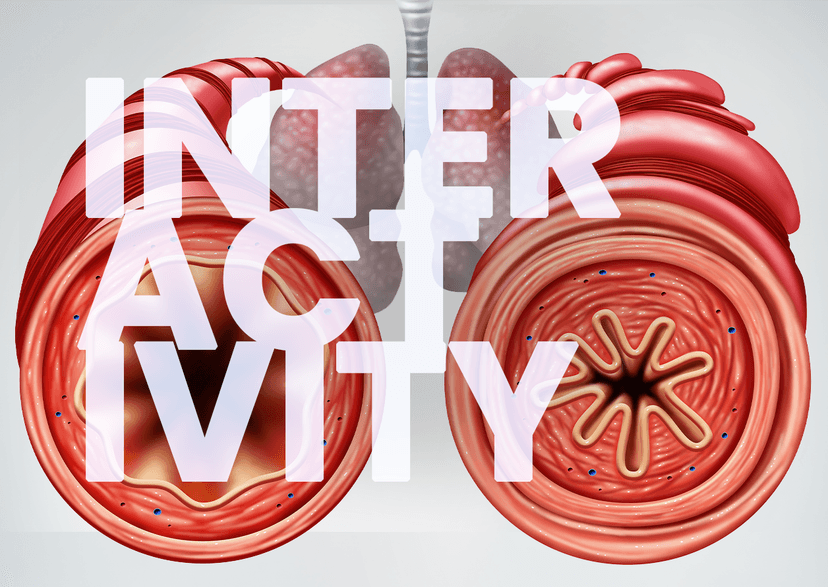
Airway Hyperresponsiveness In Asthma Is Mainly Driven By Components Of Type 2 Inflammation
Examine underlying type 2 inflammation as a driver of airway hyperresponsiveness in patients with asthma.
