147 search results for: Clinical Management

Antihistamines in the Treatment of CSU
This infographic summarizes guideline recommendations for treating chronic spontaneous urticaria (CSU) with antihistamines and explains how and why disease control should be assessed.

Beyond the Itch and Hives: The Full Impact of CSU
Join Dr Moshe Ben-Shoshan as he discusses the burden of pediatric CSU and practical strategies for helping families understand, monitor, and manage the disease.

Assessment of Smell Loss in CRSwNP Interactive Infographic
Use this educational tool to explore the daily burden of loss of smell for patients with CRSwNP.

Treatment Escalation in Adult and Pediatric Patients in CSU: How, When, and Why?
Join Dr Martin Metz as he discusses CSU pathophysiology, advanced therapies, and how patient heterogeneity and individual factors inform shared decision-making for optimal disease control in CSU.

Stepping Up: Expert Perspectives on CSU From Diagnosis to Disease Control
Join Drs. Martin Metz, Moshe Ben-Shoshan, and Michelle Tarbox as they share expert insights on the burden of pediatric CSU, as well as key considerations for disease diagnosis and treatment escalation in pediatric and adult patients.
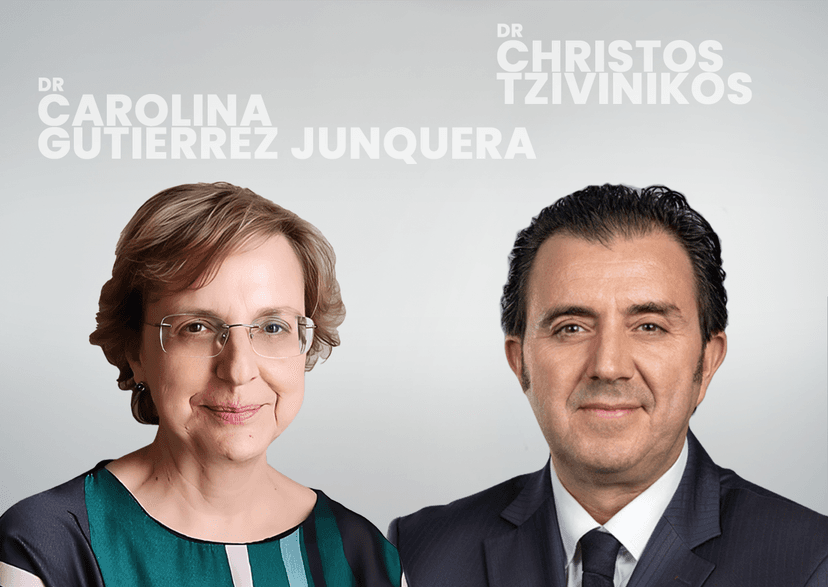
ESPGHAN 2025 | Early Diagnosis & Effective Management in Pediatric EoE
Drs Gutiérrez Junquera and Tzivinikos discuss the importance of early identification and management of pediatric EoE to improve long-term outcomes.
Broadening the Lens: Clinical and Immunological Insights That Inform CSU Management
Experience this engaging presentation by Professors Martin Metz, Elena Netchiporouk, and Jason Hawkes to explore emerging therapies for chronic spontaneous urticaria.
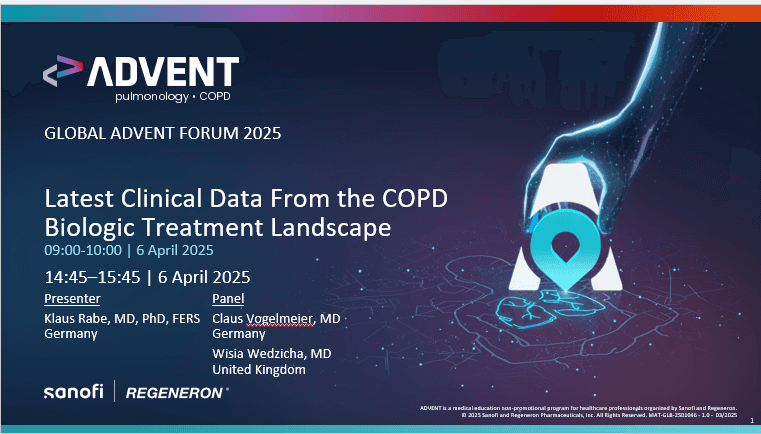
2025 ADVENT Forum | Latest Clinical Data from the COPD Biologic Treatment Landscape
Explore the dynamic advancements in COPD biologic therapies. Prof. Klaus Rabe, MD, Prof. Claus Vogelmeier, MD, and Prof. Wisia Wedzicha, MD, present and analyze the latest clinical data, offering key insights into current and emerging therapeutic strategies for managing COPD.

Prurigo Nodularis Is a Challenging Diagnosis
Join Dr. Sarina Elmariah as she discusses the challenges in diagnosing prurigo nodularis.

Unlocking Better Outcomes: Strategies for Early Diagnosis and Effective Management in Pediatric EoE Patients
Pediatric gastroenterology experts Dr Carolina Gutiérrez Junquera and Dr Christos Tzivinikos where they discuss the importance of early identification and management of pediatric EoE to improve long-term outcomes. They highlight clinical data and discuss their practical experiences with pediatric EoE, including their perspectives on co-occurring type 2 inflammatory diseases, the chronic nature of EoE, and the future of EoE research and therapeutic development.

Broadening the Lens: Clinical and Immunological Insights That Inform CSU Management
Professors Metz, Netchiporouk, and Hawkes discuss the clinical features, pathophysiology, and therapeutic landscape of CSU, at EADV 2025.
The Benefits of Early Intervention in AD: More Than Skin Deep
Many AD treatment goals focus on clinical manifestations, so that if a patient is free of lesions, their disease is considered well controlled. However, the inflammatory process underlying AD reaches far beyond the skin, affecting patients in unique ways at different stages of their lives. Education on the importance of treating AD beyond the skin and altering the treatment approach to fit the individual patient will help improve clinical management and reduce long-term patient burden.