171 search results for: Pathophysiology

ERS 2025 | The Knowns and Unknowns in the COPD Landscape
Join Profs. Dave Singh and Klaus Rabe as they examine the clinical relevance of exacerbations, lung function, symptoms, quality of life, and comorbidities in COPD, as well as the evolving concept of disease stability and what that could mean for treatment planning and the future of COPD care.

The Shared Path: Type 2 Inflammation As a Driver of Chronic Itch
Professor Matthias Augustin highlights the role of type 2 inflammation in chronic itch across distinct pruritic skin diseases and the cumulative burden of chronic itch and skin lesions in PN.

Which Biomarkers of AD Might Be Robust Enough to Be Evaluated as a Measure of Disease Modification?
In this soundbite video from the April 2025 ADVENT Forum in Lisbon, Portugal, Prof. Oscar Palomares reviews the cellular and molecular pathways underlying atopic dermatitis and considers which biomarkers may one day serve as robust measures of disease modification, despite no validated options currently being available.

Type 2 Cytokines Have Multiple Critical Roles in BP That Contribute to Inflammation and Itch
In this soundbite video from the April 2025 ADVENT Forum in Lisbon, Portugal, Dr. Eric Simpson outlines why early, targeted control of type 2 inflammation may modify the course of atopic dermatitis by addressing upstream drivers of barrier dysfunction, dysbiosis, and itch.
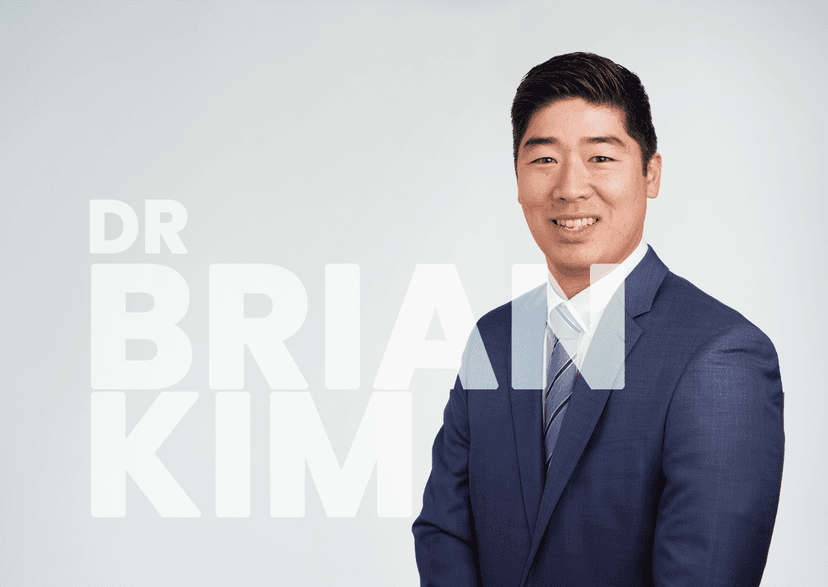
Itch in Prurigo Nodularis
In this soundbite video from the April 2025 ADVENT Forum in Lisbon, Portugal, Dr Brian Kim discuss the burdensome itch in prurigo nodularis, the multifactorial etiology of the disease, and the multiple pathological factors that contribute to chronic itch and skin inflammation in PN.

Expert Interview: Featuring Dr Shawn Kwatra on PN itch and impact on patients
Join Dr Kwatra as he dives deeper into the mechanism of lesion formation in Prurigo Nodularis and the impact the development of these skin lesions have on patient life.

Type 2 Inflammation Contributes to Itch and Fibrois in PN
Join Dr. Kwatra outlining the micro itch cycle involving type 2 cell polarization and cytokines that directly affect fibroblasts to cause more immune dysregulation in PN.

Under the Itchy Surface: The Insidious, Cumulative Burden of Type 2 Inflammation in AD
In this soundbite video from the March 2025 ADVENT symposium in Orlando, Florida, Dr. Eric Simpson highlights the systemic nature of atopic dermatitis (AD) and how the disease burden extends beyond the skin. Through the lens of cumulative life course impairment, Dr. Simpson explores how persistent type 2 inflammation in AD may drive both atopic and nonatopic comorbidities, emphasizing the importance of early, effective treatment to alter disease progression.

How Does Protective Type 2 Immunity Become Harmful Type 2 Inflammation?
In this video soundbite from the March 2025 ADVENT symposium in Orlando, Florida, Dr. Eric Simpson explains how protective type 2 immunity can become dysregulated, leading to harmful type 2 inflammation.

KOL Video Interview – Dr. Eric Simpson
In this exclusive KOL interview, Dr. Eric Simpson explores the cumulative, long-term impact of atopic dermatitis and highlights the potential benefits of initiating treatment early to help manage disease burden.

Under the Itchy Surface: The Insidious, Cumulative Burden of Type 2 Inflammation in AD
In this video from the March 2025 ADVENT symposium in Orlando, Florida, Dr. Eric Simpson discusses the systemic nature of atopic dermatitis (AD) and how the disease burden extends beyond the skin. Through the lens of cumulative life course impairment, Dr. Simpson goes on to explore how persistent type 2 inflammation in AD may drive both atopic and nonatopic comorbidities, emphasizing the potential importance of early and effective therapeutic intervention to alter disease progression

How Can FeNO Measurement Improve Severe Asthma Management?
Join Dr. Miguel Lanz as he explains the clinical utility of FeNO as a biomarker of severe asthma.
