136 search results for: patient burden

Importance of Assessing Multiple Disease Domains in EoE
Prof. Arjan Bredenoord and Dr. Evan Dellon emphasize the need to assess multiple disease domains to get the complete picture of patients’ EoE.
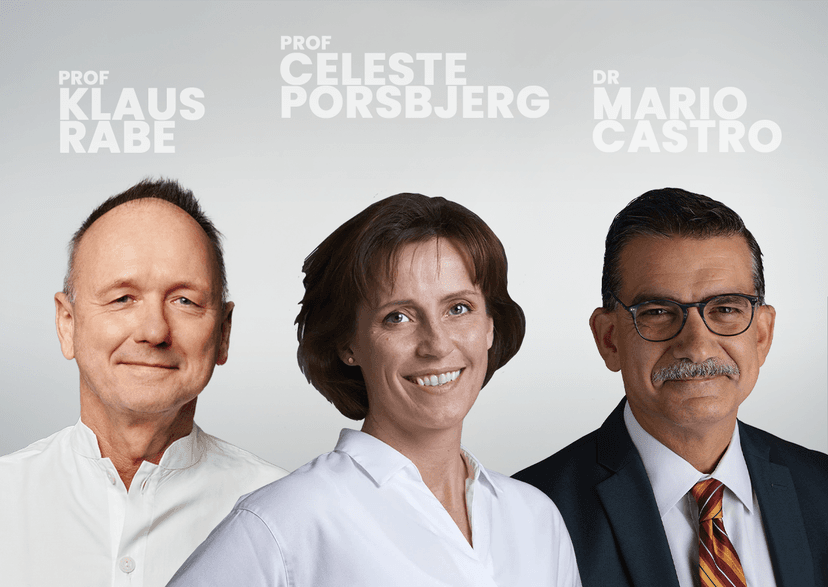
ERS 2024 | Fireside Chat: What Is the Potential for Disease Modification in the Era of Biologics?
Professors Celeste Porsbjerg and Klaus Rabe and Dr Mario Castro discuss disease modification in severe asthma, including what disease modification is, how it can be identified, and how the advent of biologics may bring about disease modification.
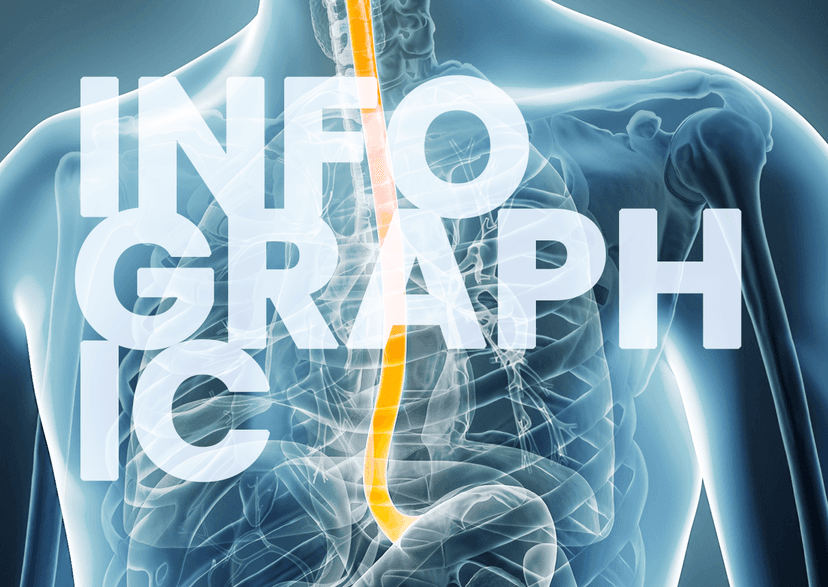
Importance of Monitoring and Maintenance in EoE
Learn about patient concerns in EoE and the benefits of adequate monitoring and effective maintenance therapy on disease control and QoL

Pediatric EoE: An Interactive Learning Symposium
Professors Oliva and Hӧrning explore the journey of pediatric patients with EoE through diagnosis, disease progression, and treatment.
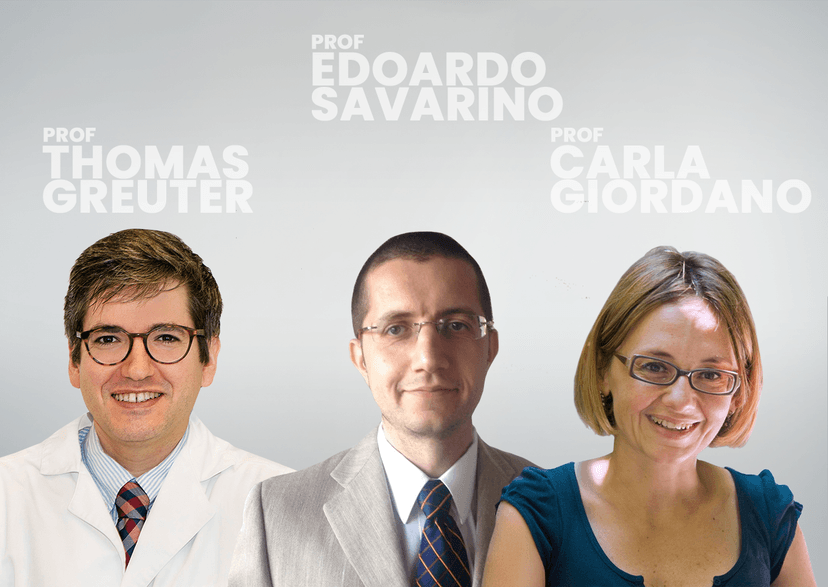
UEG 2025 | Bridging the Gap in EoE: Strategies for Seamless Transition of Care
Profs. Greuter, Savarino, and Giordano discuss multidimensional EoE assessment, tailoring long-term care to patient needs, and recent clinical data.
ADVENT On Air | Be on the Lookout for EoE: The Importance of Early Diagnosis
Join Dr. Aceves and Ms. Ugras as they share their insights on how to identify potential patients with EoE and the importance of early diagnosis.

ESPGHAN 2025 Pediatric EoE: Early Identification & Type 2 Comorbidity
Dr Tzivinikos discusses the importance of early identification and management of pediatric EoE to improve long-term outcomes
UEGW 2024 | Latest Clinical Evidence for Biologics in EoE
Prof. Salvatore Oliva discusses the latest clinical data for EoE that included patients from childhood to adulthood.

Master Clinician Video | Advanced Clinical Practice in EoE (Full)
Learn how a food bolus impaction event can help identify a patient with EoE and the importance of multiple disease domains in assessing EoE.

Pediatric EoE: An Interactive Learning Symposium
Join leading experts in pediatric eosinophilic esophagitis (EoE), Professors Salvatore Oliva, MD, PhD, and André Hörning, MD, as they explore the multifaceted journey of pediatric patients with EoE through a hypothetical patient case, navigating real-world challenges in managing EoE.

What Went Wrong? How Dysregulated Type 2 Immunity Contributes to AD, PN, CSU, and BP
The March 2025 ADVENT symposium in Orlando, Florida brought together 4 dermatology experts to explore the evolving science of type 2 inflammation. Type 2 inflammation plays a central role in the pathophysiology of multiple dermatological diseases, driving chronic immune dysregulation that affects patients with atopic dermatitis (AD) prurigo nodularis (PN), chronic spontaneous urticaria (CSU) and bullous pemphigoid (BP). Understanding the mechanisms behind type 2 inflammation is key to advancing care and improving patient quality of life.
