23 search results for: cytokines
ADVENT On-Air Podcast: The Multifaceted Patient Burden and Drivers of Disease in Prurigo Nodularis
In this episode, Dr. Sarina Elmariah and Dr. Brian Kim explore prurigo nodularis (PN), with a focus on severe itch, fibrotic skin lesions, and their impact on patients’ quality of life. They discuss PN epidemiology, common comorbidities, and the challenges of managing multimorbid patients, while breaking down the neuroimmune mechanisms, highlighting the role of type 2 cytokines in itch and lesion development.
Inside the Hive: Type 2 Inflammatory Pathways in Chronic Spontaneous Urticaria
Join Dr. Jason Hawkes in discussing the burden of CSU and how type 2 inflammation contributes to the development of chronic wheals (hives) and angioedema
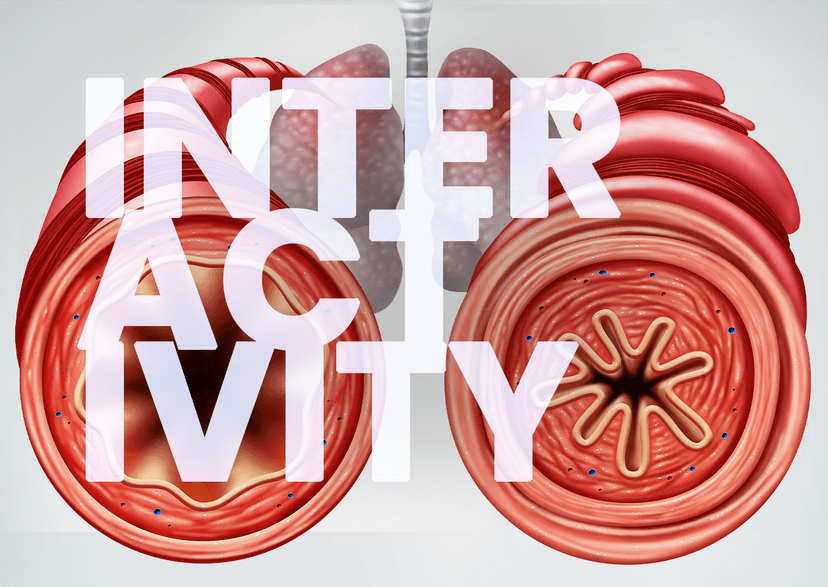
Airway Hyperresponsiveness In Asthma Is Mainly Driven By Components Of Type 2 Inflammation
Examine underlying type 2 inflammation as a driver of airway hyperresponsiveness in patients with asthma.
Understanding the Contribution of IL-4 in the Development of Fibrosis in Prurigo Nodularis
Professor Sarina Elmariah highlights the multifaceted role of IL-4 and IL-13 in driving dermal fibrosis in prurigo nodularis, which leads to persistent scarring and dyspigmentation that significantly contribute to patients' embarrassment, anxiety, depression, and self-esteem.

The Path to Nodules: Type 2 Inflammation at the Core of Chronic Itch and Fibrosis in Prurigo Nodularis
Join Dr. Shawn Kwatra in discussing the diverse clinical presentations of PN and the role of type 2 inflammation in disease pathogenesis.
Neuroimmune Dysfunction Is Critical in the Pathophysiology of Prurigo Nodularis
Dr. Sarina Elmariah explains the importance of neuroimmune crosstalk in the development of prurigo nodularis.
Interplay of Barrier Dysfunction and Type 2 Inflammation in EoE
Learn from Prof. Seema Aceves about the interconnectivity of type 2 inflammation and barrier dysfunction in mediating EoE pathophysiology.
Complex EoE Pathophysiology Beyond Esophageal Eosinophilia
Dr. Jonathan Spergel and Prof. Arjan Bredenoord highlight the importance of different immune cells in type 2 inflammation in EoE.
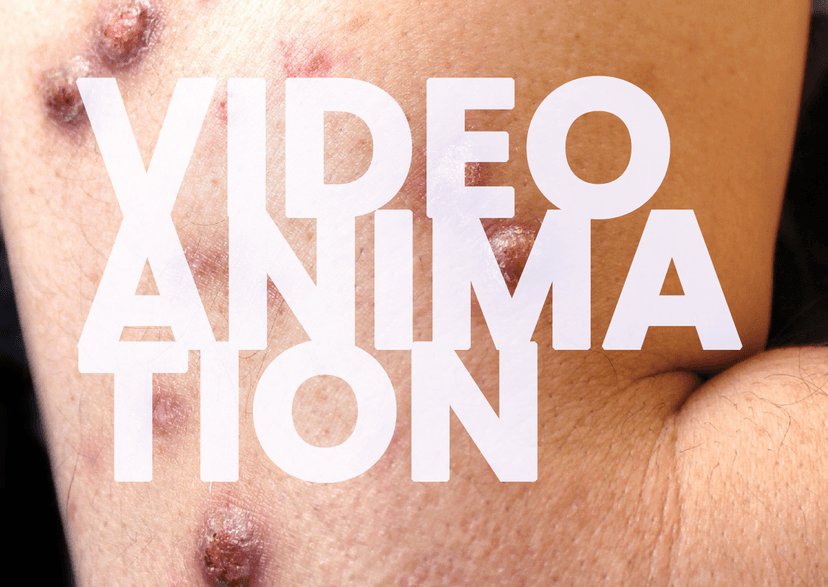
The Pathophysiology of Prurigo Nodularis
An infographic exploring the pathophysiology of prurigo nodularis and the role of type 2 inflammation.
The Benefits of Early Intervention in AD: More Than Skin Deep
Many AD treatment goals focus on clinical manifestations, so that if a patient is free of lesions, their disease is considered well controlled. However, the inflammatory process underlying AD reaches far beyond the skin, affecting patients in unique ways at different stages of their lives. Education on the importance of treating AD beyond the skin and altering the treatment approach to fit the individual patient will help improve clinical management and reduce long-term patient burden.