147 search results for: Pathophysiology

Spotlight on Type 2 Inflammation in the Upper and Lower Airways
In this video soundbite from the EAACI 2025 symposium, Dr. Zuzana Diamant explains pathophysiological mechanisms underlying asthma and CRSwNP, and how type 2 inflammatory cytokines drive airway remodelling in patients with severe asthma. Additionally, patients with co-existing asthma and CRSwNP have a higher type 2 inflammatory burden than patients with asthma alone.

ERS-ISIAN 2025 | Type 2 Inflammation: Links with Severe/Uncontrolled CRSwNP
Prof. Vibeke Backer provides an insightful presentation on the association of type 2 inflammation and the pathogenesis and management of severe and uncontrolled CRSwNP.

ERS-ISIAN 2025 | Disease Control in CRSwNP
Unpack the keys to successful disease control in CRSwNP alongside expert Prof. Vibeke Backer. Learn how to navigate treatment pathways for improved patient quality of life.
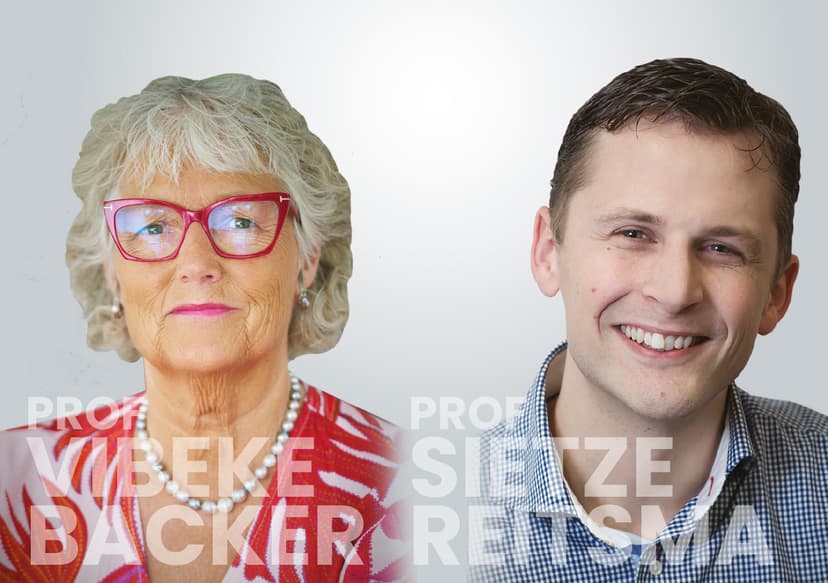
ERS-ISIAN 2025 | Type 2 Inflammation and Disease Control in CRSwNP: Current Perspectives and Future Directions
The ERS-ISIAN 2025 symposium, featuring Prof. Vibeke Backer and Prof. Sietze Reitsma, titled "Type 2 Inflammation and Disease Control in CRSwNP: Current Perspectives and Future Directions," will delve into the complexities of the role of type 2 inflammation in CRSwNP.

Stepping Up: Expert Perspectives on CSU From Diagnosis to Disease Control
Join Drs. Martin Metz, Moshe Ben-Shoshan, and Michelle Tarbox as they share expert insights on the burden of pediatric CSU, as well as key considerations for disease diagnosis and treatment escalation in pediatric and adult patients.

ADVENT On Air | Remission in CRSwNP
Prof. Peter Hellings and Dr. Stella Lee discuss the concept of remission for patients with chronic rhinosinusitis with nasal polyps.
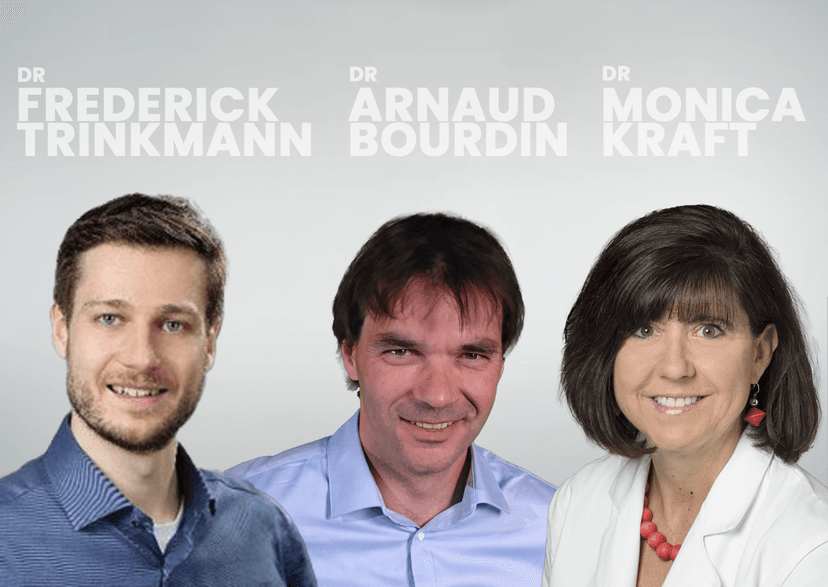
ERS 2026 | Distal Airways, Central Role? Clinical Insights Into Type 2 Severe Asthma
Join experts Frederik Trinkmann, Monica Kraft, and Arnaud Bourdin on an ADVENT educational symposium, “Distal Airways, Central Role? Clinical Insights Into Type 2 Severe Asthma."
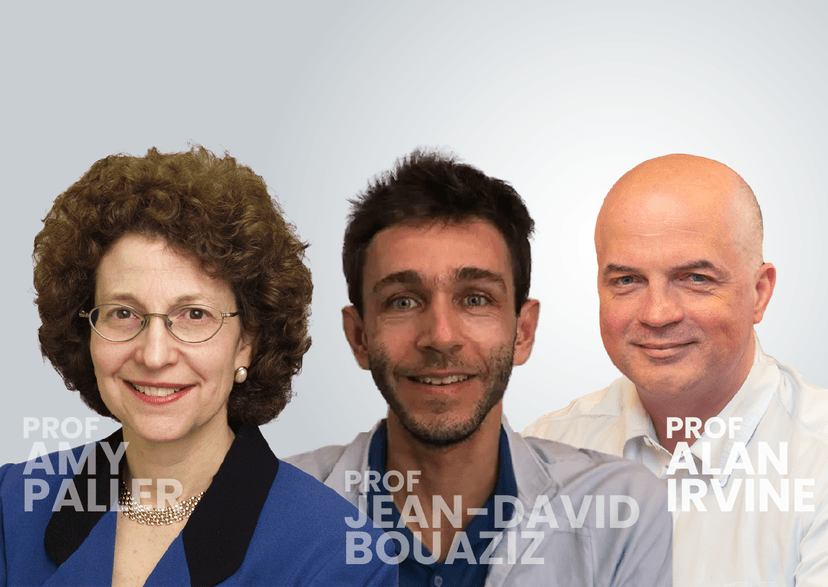
The Burden of a Lifetime: Can Disease Modification Rewrite the Narrative of Atopic Dermatitis?
Professors Bouaziz, Paller, and Irvine discuss the clinical burden of atopic dermatitis, the biomarkers of subclinical control, and evidence of potential disease modification in AD at EADV 2025.
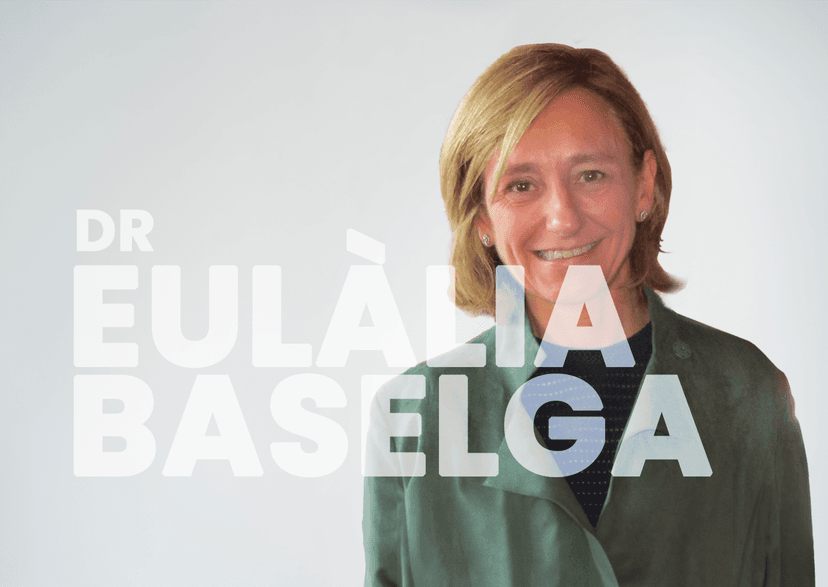
Charting the Future: Preventing the Atopic March
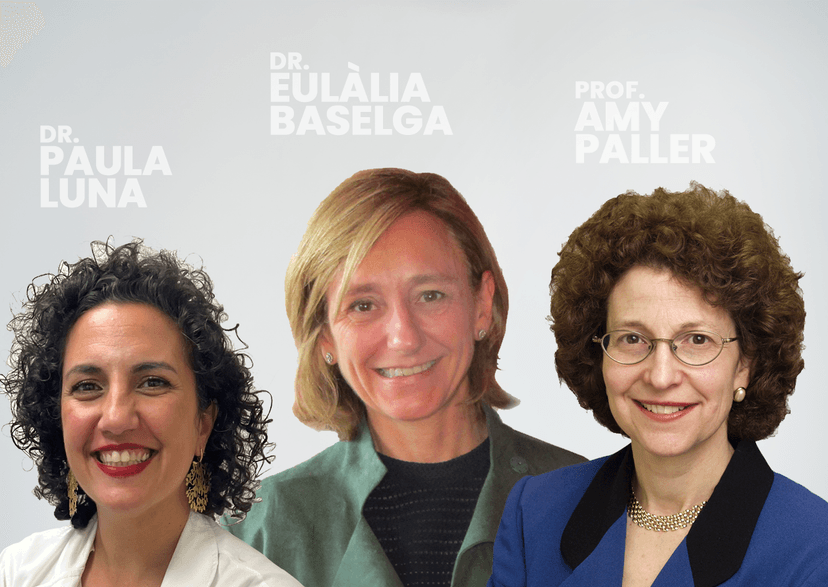
In this video from the April 2025 WCPD symposium, Dr Eulàlia Baselga discusses how early intervention during infancy and childhood in patients with AD may reduce the progression of the atopic march. Dr Baselga goes on to review data showing how the reduction of biomarkers such as IgE and CCL17 may reduce inflammation and sensitization that contribute to atopic comorbidities.
How Biologic Therapy May Lead to Disease Modification in Infants and Children With Atopic Dermatitis
This full video presentation of the April 2025 WCPD symposium features Dr Amy Paller, Dr Paula Luna, and Dr Eulàlia Baselga. The faculty present the latest data on the possibility of achieving disease modification in infants and children with atopic dermatitis.

Atopic Dermatitis at an Inflection Point: Refining Outcomes Through Timely, Targeted Intervention
At the 2026 EADV Congress, Prof. Tilo Biedermann and Drs. Nicole Chase and Lisa Swanson present a holistic view of atopic dermatitis (AD) management from childhood to adulthood centered around type 2 inflammation. Beginning with the hypothesis that reduced exposure to helminths in increasingly industrialized societies may have diminished natural immunomodulatory mechanisms, they explore how dysregulated type 2 inflammation can manifest as AD and extend beyond the skin. The discussion then focuses on adults with uncontrolled AD, highlighting the multidimensional, cumulative burden of disease across the lifespan—and how targeted systemic therapy may help achieve sustained disease control. Finally, the faculty explore pediatric AD as a critical window for early intervention, with the potential to alter disease progression and prevent comorbidities.
The Potential Sequelae of Missed Opportunities: How Systemic Type 2 Inflammation Can Shape a Patient's Life
Dr. Nicole Chase describes a potential hypothesis for the link between the shift to an industrialized society and the rise in type 2 inflammatory diseases, highlighting the loss of immunomodulatory mechanisms driven by helminthic infections. She explains how unopposed immune responses to common environmental allergens may cause chronic type 2 inflammation, manifesting throughout the body.
