86 search results for: Atopic Dermatitis

Unpacking the Significant Burdens of Atopic Dermatitis
Dr. Lawrence Eichenfield shares the cumulative burdens faced by patients with atopic dermatitis.

Early Intervention May Have the Potential to Alter the Trajectory of Atopic Dermatitis
Dr. Lawrence Eichenfield discusses the meaning of "early intervention" and its potential implications in atopic dermatitis.

Type 2 Inflammation Is a Driving Factor for Atopic Dermatitis and Related Comorbidities
Dr. Lawrence Eichenfield describes the pathophysiology of atopic dermatitis and how type 2 inflammation may sensitize patients to atopic comorbidities.

Understanding the Impact of Pediatric Atopic Dermatitis on Vertical Growth
This infographic examines the increased risk of low bone mineral density and impaired vertical growth observed in pediatric atopic dermatitis (AD). It also presents data demonstrating that dupilumab treatment is associated with improvements in growth compared to placebo and conventional systemic therapies in pediatric AD.

Atopic Dermatitis at an Inflection Point: Refining Outcomes Through Timely, Targeted Intervention
Prof. Tilo Biedermann and Drs. Nicole Chase and Lisa Swanson presented an engaging ADVENT educational symposium at EADV 2026 on September 30 in Vienna, Austria, focusing on the local and systemic role of type 2 inflammation in atopic dermatitis (AD) and its implications for disease management across the lifespan. The symposium explored the potential to achieve sustained optimal disease control with systemic therapy in adults, as well as the potential window of opportunity for early intervention to reduce or prevent multidimensional disease burden in pediatric AD.

Atopic Dermatitis at an Inflection Point: Refining Outcomes Through Timely, Targeted Intervention
At the 2026 EADV Congress, Prof. Tilo Biedermann and Drs. Nicole Chase and Lisa Swanson present a holistic view of atopic dermatitis (AD) management from childhood to adulthood centered around type 2 inflammation. Beginning with the hypothesis that reduced exposure to helminths in increasingly industrialized societies may have diminished natural immunomodulatory mechanisms, they explore how dysregulated type 2 inflammation can manifest as AD and extend beyond the skin. The discussion then focuses on adults with uncontrolled AD, highlighting the multidimensional, cumulative burden of disease across the lifespan—and how targeted systemic therapy may help achieve sustained disease control. Finally, the faculty explore pediatric AD as a critical window for early intervention, with the potential to alter disease progression and prevent comorbidities.

Insights From Dr Lawrence Eichenfield on the 2026 IEC Consensus Definition for Low Disease Activity and Remission for Atopic Dermatitis
Hear Dr. Lawrence Eichenfield share the recent consensus definitions from the International Eczema Council.

ADVENT On Air | Early Intervention and Disease Modification in Atopic Dermatitis
Prof. Thomas Bieber explores early intervention and disease modification in atopic dermatitis.
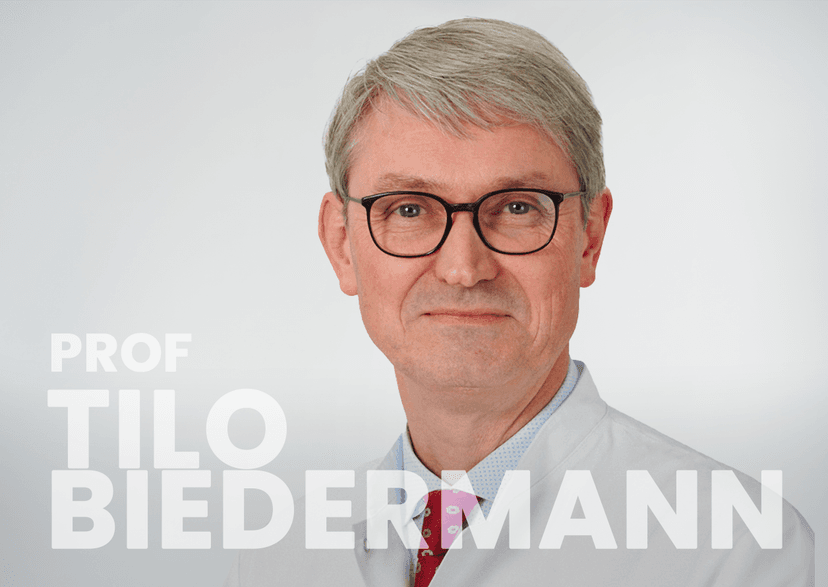
Breaking the Cycle of AD in Adults: Minimizing Cumulative Burden Beyond Skin and Achieving Sustained Disease Control
Prof. Tilo Biedermann discusses the key roles of type 2 cytokines IL-4, IL-13, and IL-31 in the pathophysiology of atopic dermatitis. He then describes how these cytokines can be targeted with systemic therapies to elicit long-term disease control and reduce the burden of atopic and non-atopic comorbidities, which are meaningful outcomes for patients with uncontrolled disease.

ADVENT On Air | Exploring The Urgency to Treat in Atopic Dermatitis
Professor Lisa Beck explores the chronic and persistent burden of atopic dermatitis (AD) as well as the concept of early intervention in patients with AD.

Early Intervention in Pediatric AD: A Critical Window to Alter the Course of AD and Associated Diseases
Dr. Lisa Swanson explores a hypothetical scenario of what might have been achievable for adult patients with atopic dermatitis if advanced systemic therapies had been initiated in early childhood, considering the potential impact on atopic progression, mental health, and bone health and growth outcomes.

Beyond Signs and Symptoms: Broadening Treatment Goals in Dermatology
Dr Lawrence Eichenfield explores the broadening of treatment goals for long-term disease control, highlighting the importance of this approach in atopic dermatitis. Drs Culton, Elmariah, and Hawkes expand the discussion to further examine specific management goals unique to each skin disease (bullous pemphigoid, prurigo nodularis, and chronic spontaneous urticaria).
